


Takotsubo cardiomyopathy associated with Protobothrops mucrosquamatus envenomation: a case report
- PMID: 40529557
- PMCID: PMC12170609
- DOI: 10.3389/fcvm.2025.1598373
Takotsubo cardiomyopathy associated with Protobothrops mucrosquamatus envenomation: a case report
Abstract
Background: Protobothrops mucrosquamatus, commonly known as the Taiwan habu, is a highly venomous snake species. Its venom is rich in haemotoxins and neurotoxins, capable of inducing severe coagulopathy, tissue necrosis, and multi-organ damage. However, to date, there have been no reported cases of Takotsubo cardiomyopathy (TTS) triggered by envenomation from P. mucrosquamatus. TTS is characterised by transient left ventricular dysfunction precipitated by acute stress events and is typified by abnormalities in left ventricular wall motion, often mimicking the clinical presentation of coronary artery disease.
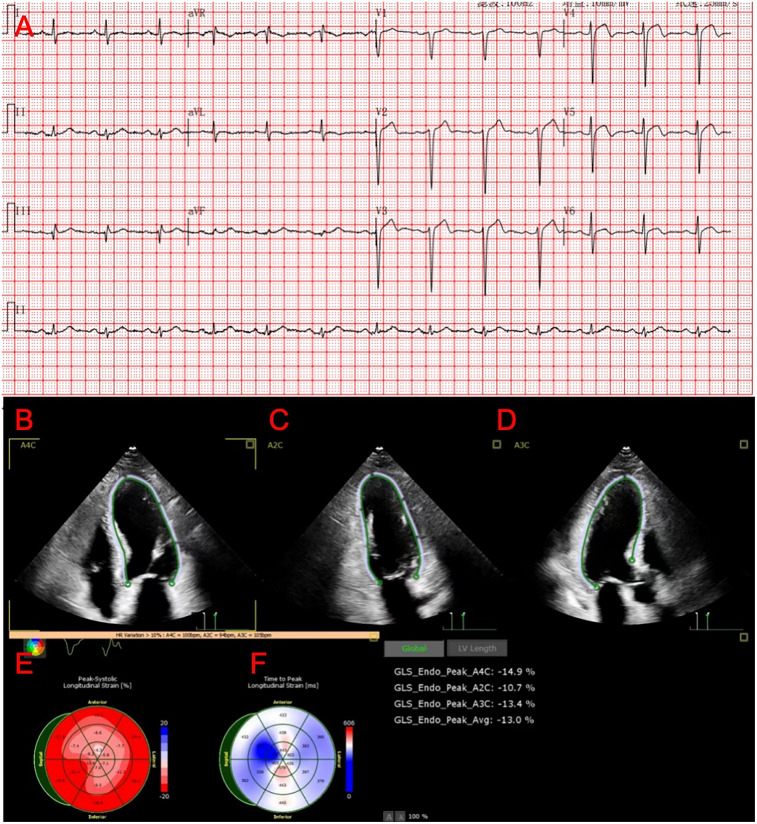
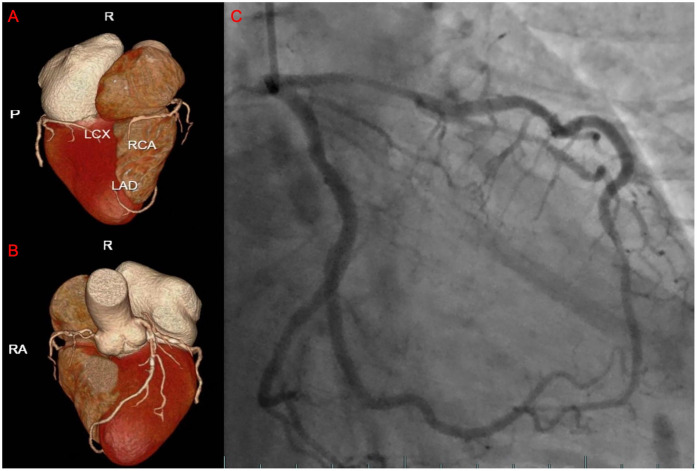
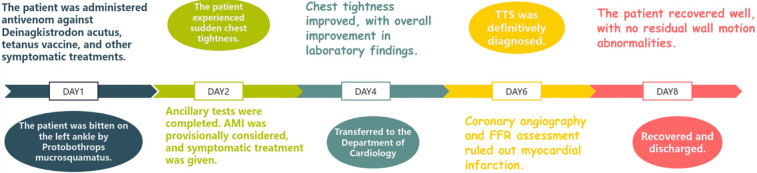
Case introduction: This report presents a rare case of Takotsubo cardiomyopathy (TTS) triggered by envenomation from P. mucrosquamatus. Following the snakebite, the patient rapidly developed severe pain and bleeding at the bite site, and subsequently experienced acute chest tightness and chest pain during hospitalisation. To elucidate the aetiology, the patient underwent a series of investigations, including electrocardiography, transthoracic echocardiography, and coronary angiography, which ultimately confirmed the diagnosis of TTS. The patient received comprehensive treatment comprising administration of anti-venom serum to neutralise the venom, fluid resuscitation, and antiplatelet therapy. The clinical condition gradually stabilised, and the patient was eventually discharged in good health.
Conclusion: Protobothrops mucrosquamatus envenomation may precipitate Takotsubo cardiomyopathy (TTS). Given the considerable overlap in early clinical presentation between TTS and acute myocardial infarction (AMI), early utilisation of echocardiography, coronary angiography, and fractional flow reserve (FFR) assessment is crucial for accurate diagnosis. The cornerstone of treatment lies in the prompt and adequate administration of anti-venom serum, combined with fluid resuscitation and supportive symptomatic care. The judicious use of antiplatelet agents after restoration of coagulation function is generally considered safe and does not significantly increase the risk of bleeding.
Keywords: Protobothrops mucrosquamatus; Takotsubo cardiomyopathy (TTS); coronary angiography; echocardiography; fractional flow reserve (FFR); snake venom.
© 2025 Wu, Zhou and Ma.
Conflict of interest statement
The authors declare that the research was conducted in the absence of any commercial or financial relationships that could be construed as a potential conflict of interest.
Figures
References
-
- Mao YC, Liu PY, Chiang LC, Lee CH, Lai CS, Lai KL, et al. Clinical manifestations and treatments of Protobothrops mucrosquamatus bite and associated factors for wound necrosis and subsequent debridement and finger or toe amputation surgery. Clin Toxicol. (2020) 59(1):28–37. 10.1080/15563650.2020.1762892 - DOI - PubMed
Publication types
LinkOut - more resources
Full Text Sources
