


N6-methyladenosine and intervertebral disc degeneration: Advances in detection and pathological insights
- PMID: 40529901
- PMCID: PMC12173039
- DOI: 10.1016/j.jot.2025.05.004
N6-methyladenosine and intervertebral disc degeneration: Advances in detection and pathological insights
Erratum in
-
Corrigendum to 'N6-methyladenosine and intervertebral disc degeneration: Advances in detection and pathological insights' [J Orthop Translat 53 (2025) 38-51/JOT 941].J Orthop Translat. 2025 Sep 12;55:379. doi: 10.1016/j.jot.2025.06.018. eCollection 2025 Nov. J Orthop Translat. 2025. PMID: 41542098 Free PMC article.
Abstract
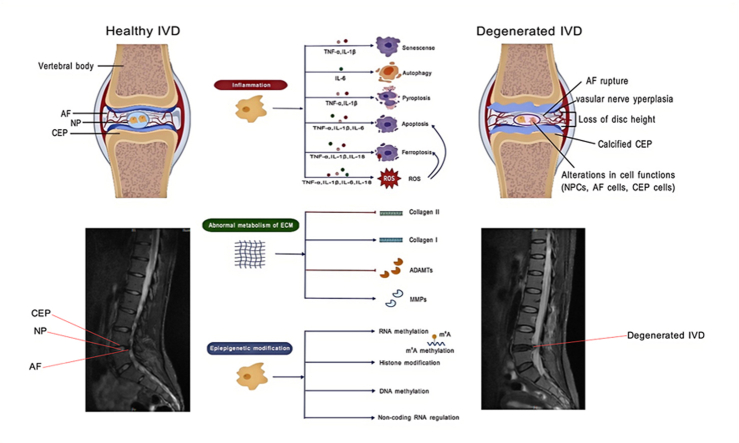
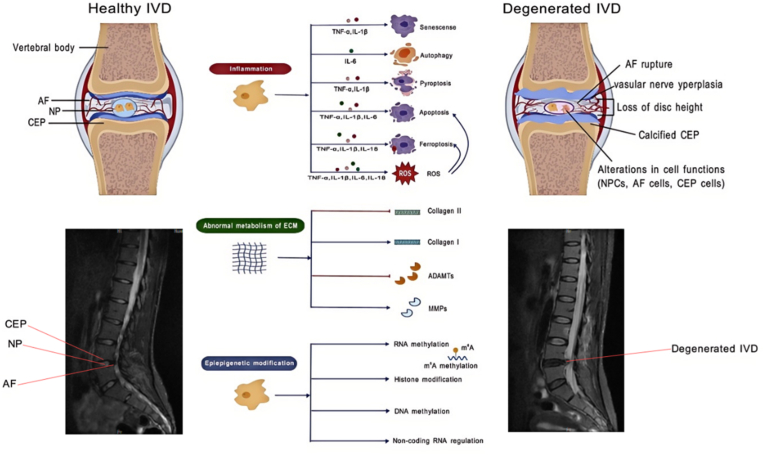
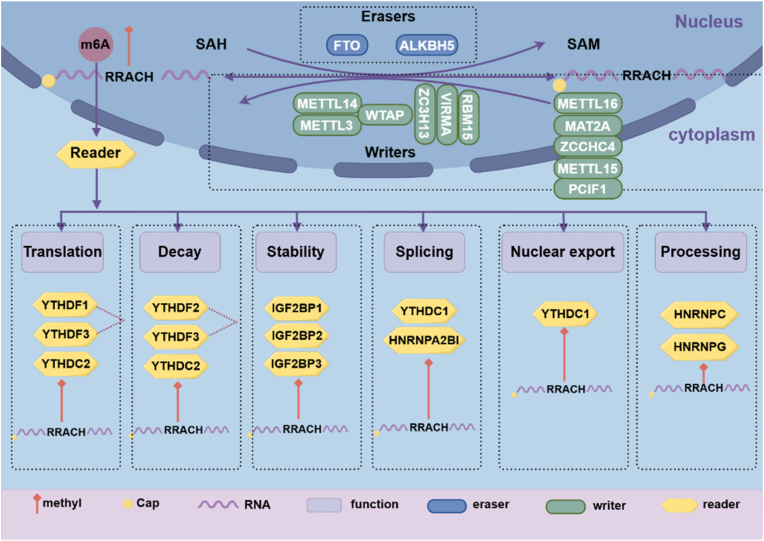
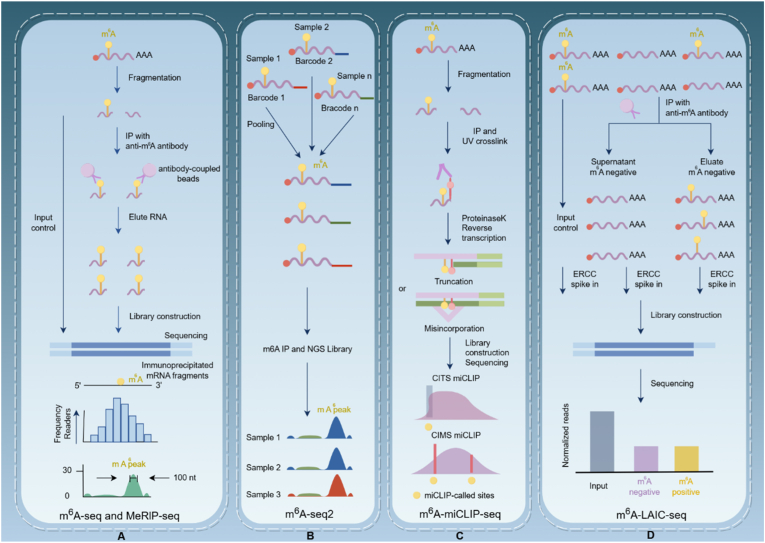
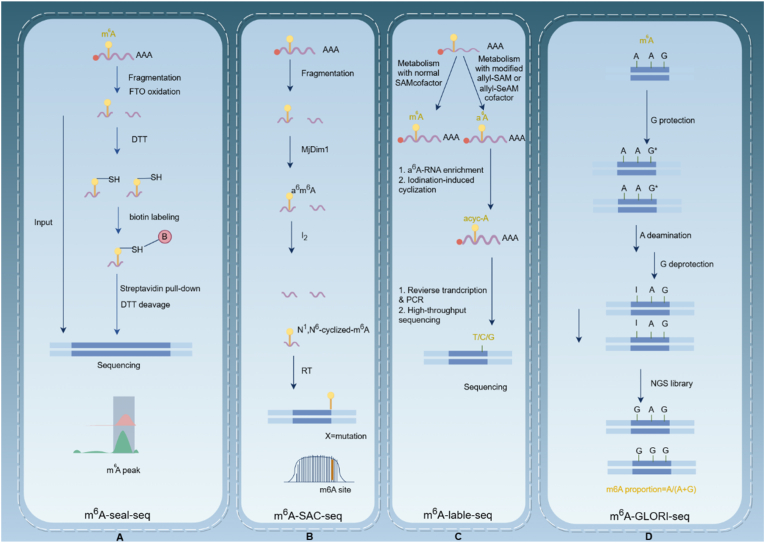
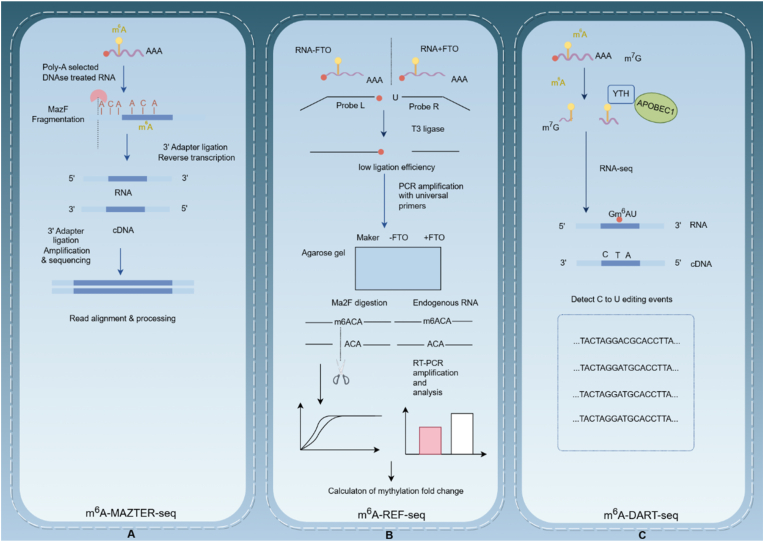
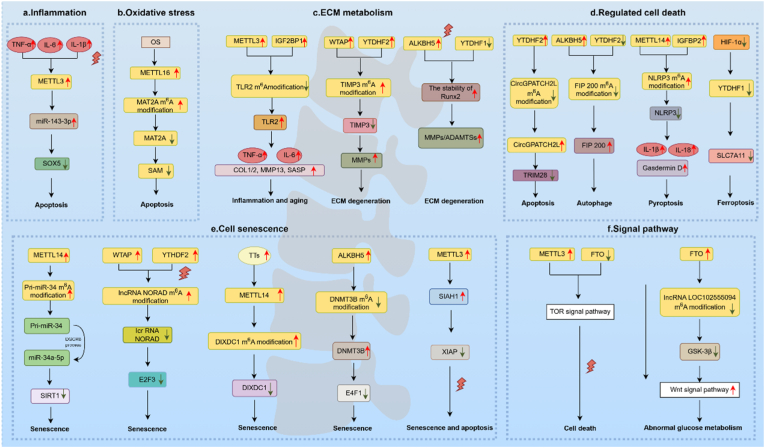
Intervertebral disc (IVD) degeneration (IDD) is a progressive condition characterized by the deterioration of the intervertebral discs, which serve as cushions between the vertebrae in the spinal column. This degeneration is often associated with aging and can be influenced by various factors, including genetics, mechanical stress, and lifestyle choices. N6-methyladenosine (m6A) modification has emerged as a critical post-transcriptional regulatory mechanism that influences various biological processes, including cellular differentiation, proliferation, and response to stress. Recent studies suggest that m6A modification play significant roles in the pathophysiology of IDD. The dysregulation of m6A methylation is linked to the altered expression of genes involved in inflammation, oxidative stress, extracellular matrix remodeling, regulated cell death including apoptosis, autophagy, pyroptosis and ferroptosis, all of which contribute to the IDD. In this review, we summarize the advanced detection technology of m6A and the roles of m6A in pathological process of IDD, to provide new insights into the molecular mechanisms underlying IDD and identify novel therapeutic targets for intervention.
The translational potential of this article: This work underscores the diagnostic and therapeutic potential of targeting m6A mechanism in IDD. Clinically, m6A regulators may serve as biomarkers for early IDD detection or progression monitoring. Therapeutically, small-molecule modulators of m6A writers/erasers or RNA-based strategies could restore ECM homeostasis, mitigate inflammation, and prevent IVD cell death. Furthermore, advanced m6A mapping technologies may enable personalized interventions by decoding patient-specific epitranscriptomic profiles. These insights bridge molecular mechanisms to clinical innovation, offering novel avenues for IDD treatment and regenerative therapies.
Keywords: Cellular metabolism; Extracellular matrix metabolism; Intervertebral disc degeneration; Oxidative stress; Regulated cell death; m6A modification.
© 2025 The Authors.
Conflict of interest statement
The authors declare that they have no competing interest.
Figures
References
-
- Martin B.I., Deyo R.A., Mirza S.K., Turner J.A., Comstock B.A., Hollingworth W., et al. Expenditures and health status among adults with back and neck problems. JAMA, J Am Med Assoc. 2008;299(6):656–664. - PubMed
-
- Jin Z., Wang D., Zhang H., Liang J., Feng X., Zhao J., et al. Incidence trend of five common musculoskeletal disorders from 1990 to 2017 at the global, regional and national level: results from the global burden of disease study 2017. Ann Rheum Dis. 2020;79(8):1014–1022. - PubMed
Publication types
LinkOut - more resources
Full Text Sources
Research Materials
