Emerging Trends in Point-of-Care Technology Development for Oncology in Low- and Middle-Income Countries
- PMID: 40532137
- PMCID: PMC12312415
- DOI: 10.1200/GO-25-00142
Emerging Trends in Point-of-Care Technology Development for Oncology in Low- and Middle-Income Countries
Abstract
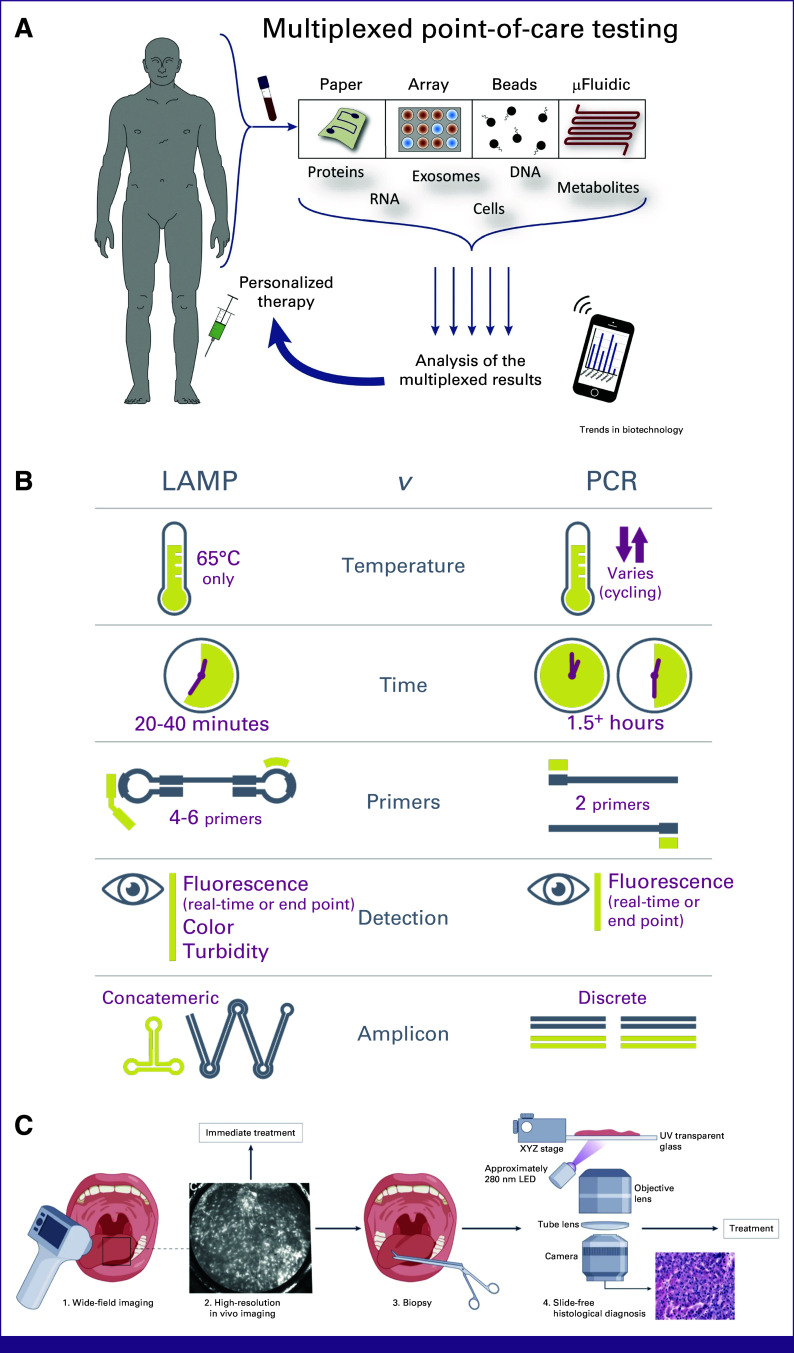
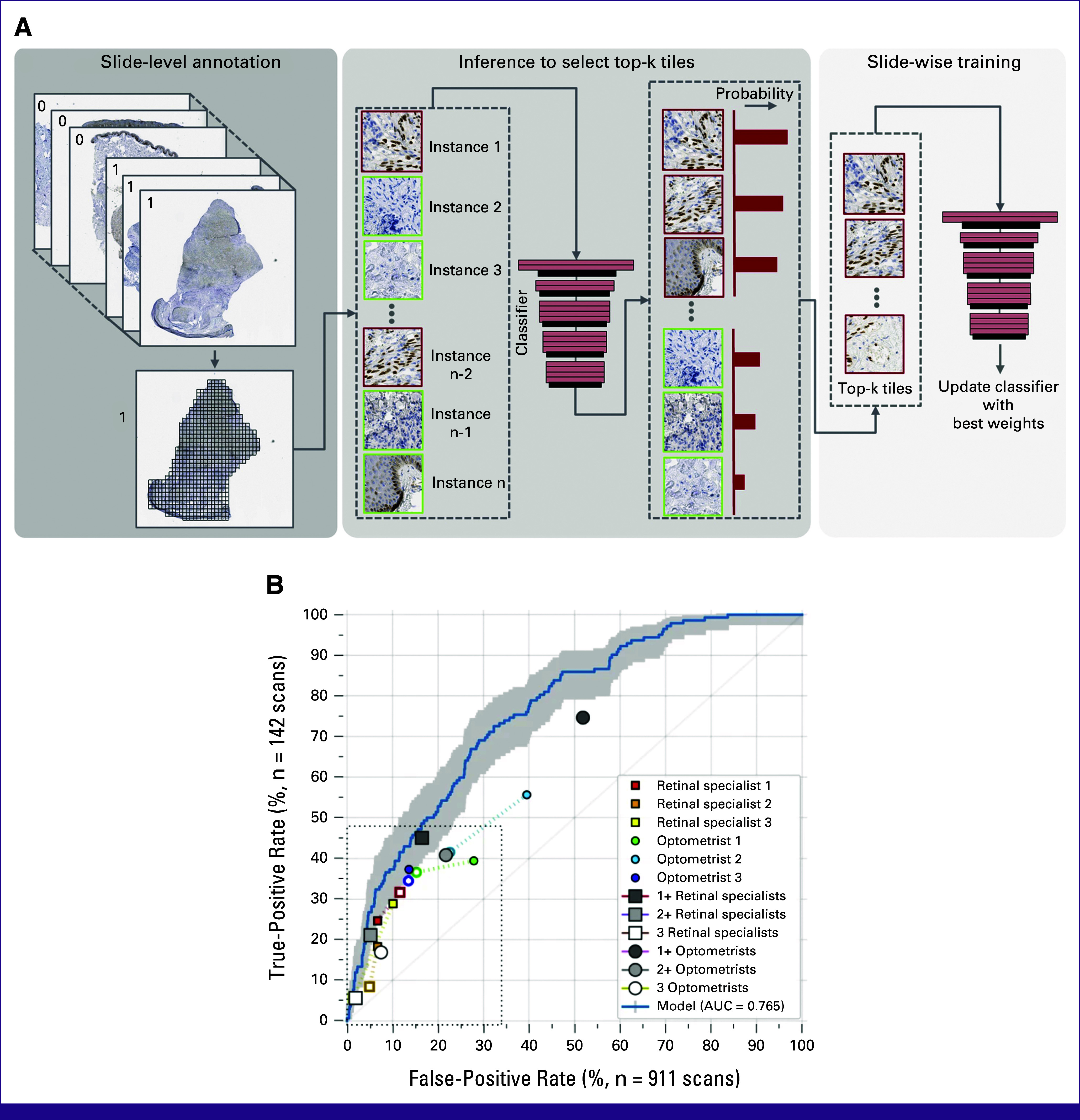
The growing cancer burden and suboptimal diagnostic capacity in low- and middle-income countries calls for urgent innovation in diagnostic solutions. Point-of-care technologies (POCTs) offer a transformative approach to decentralizing cancer diagnostics by providing rapid, affordable, and scalable testing in resource-constrained settings. Recent advancements, including loop-mediated isothermal amplification and multiplexed lateral flow immunoassay, enable high-sensitivity detection of cancer biomarkers without the need for complex laboratory infrastructure. Additionally, noninvasive imaging tools, such as optical coherence tomography and fluorescence-guided microscopy, offer portable and cost-effective solutions for early cancer detection in settings with limited health care services. These innovations are complemented by the integration of artificial intelligence, which improves diagnostic accuracy and reduces reliance on highly trained personnel. However, significant infrastructure and logistical challenges persist, including resource constraints, unreliable electricity, and insufficient cold-chain logistics, which limit diagnostic precision and accessibility. This review discusses recent advances in POCTs for oncology and examines how public-private partnerships and multisector collaborations can address key implementation barriers. By prioritizing inclusivity, cross-sector collaboration, and targeted investments, POCTs can sustainably narrow global disparities in cancer diagnosis and treatment.
Conflict of interest statement
The following represents disclosure information provided by authors of this manuscript. All relationships are considered compensated unless otherwise noted. Relationships are self-held unless noted. I = Immediate Family Member, Inst = My Institution. Relationships may not relate to the subject matter of this manuscript. For more information about ASCO's conflict of interest policy, please refer to
Open Payments is a public database containing information reported by companies about payments made to US-licensed physicians (
No other potential conflicts of interest were reported.
Figures
References
-
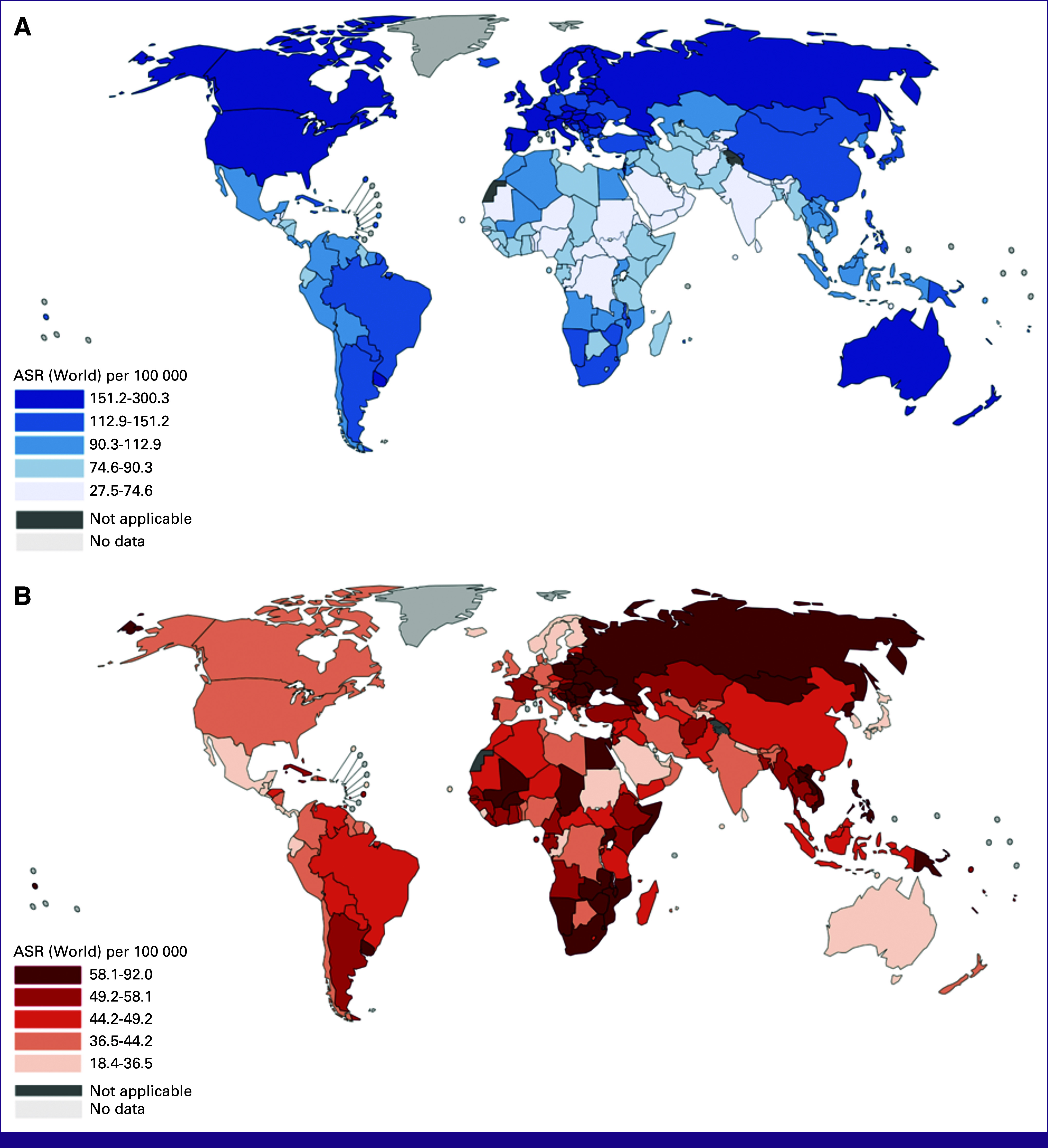
- Bray F, Laversanne M, Sung H, et al. : Global cancer statistics 2022: GLOBOCAN estimates of incidence and mortality worldwide for 36 cancers in 185 countries. CA Cancer J Clin 74:229-263, 2024 - PubMed
-
- GBD 2019 Demographics Collaborators : Global age-sex-specific fertility, mortality, healthy life expectancy (HALE), and population estimates in 204 countries and territories, 1950–2019: A comprehensive demographic analysis for the Global Burden of Disease Study 2019. Lancet 396:1160-1203, 2020 - PMC - PubMed
-
- Sung H, Ferlay J, Siegel RL, et al. : Global cancer statistics 2020: GLOBOCAN estimates of incidence and mortality worldwide for 36 cancers in 185 countries. CA Cancer J Clin 71:209-249, 2021 - PubMed
-
- Sankaranarayanan R, Swaminathan R, Brenner H, et al. : Cancer survival in Africa, Asia, and Central America: A population-based study. Lancet Oncol 11:165-173, 2010 - PubMed
Publication types
MeSH terms
Grants and funding
LinkOut - more resources
Full Text Sources
Medical