


Unveiling genetic and biological links: exploring the intersection of autoimmune and psychiatric disorders
- PMID: 40533852
- PMCID: PMC12175323
- DOI: 10.1186/s40001-025-02752-8
Unveiling genetic and biological links: exploring the intersection of autoimmune and psychiatric disorders
Abstract
Background: A substantial body of observational evidence suggests the genetic link between autoimmune system diseases and psychiatric disorders. However, the shared genetic mechanisms remain largely unclear. This study aims to systematically explore these genetic correlations and identify potential therapeutic targets through integrative bioinformatics analyses.
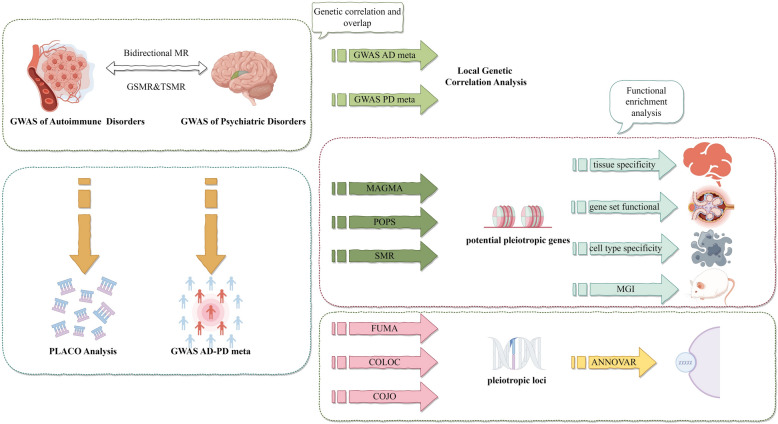
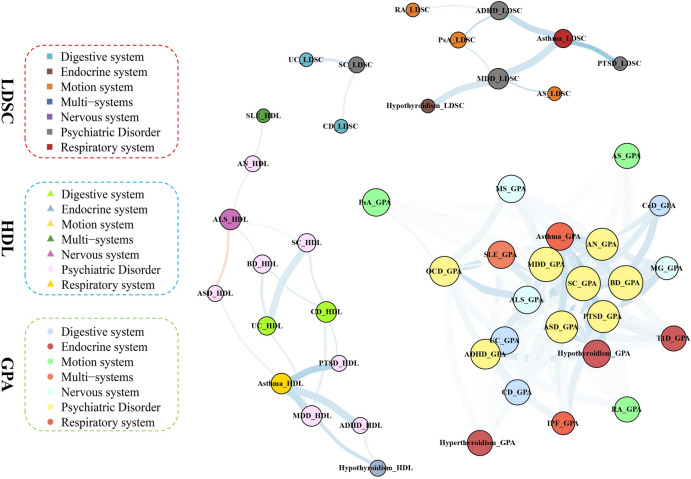
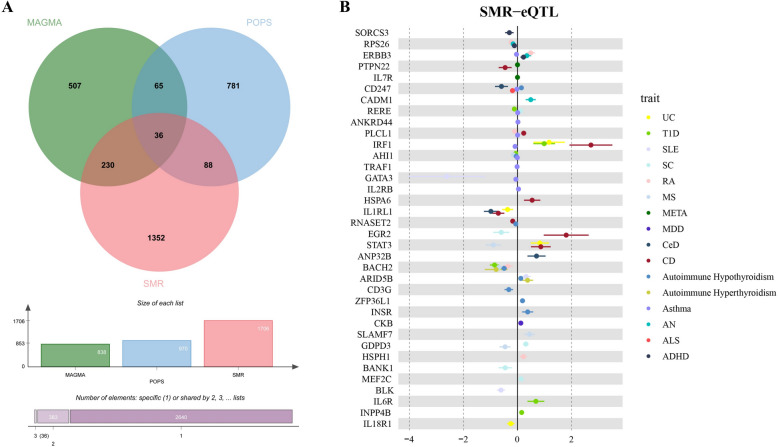
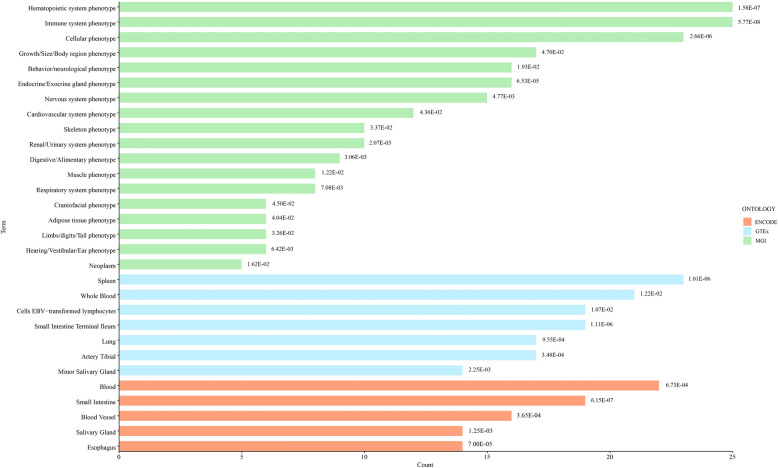
Methods: We conducted a comprehensive analysis by integrating genome-wide association study (GWAS) summary data from public databases, including 15 autoimmune diseases and 8 psychiatric disorders. We examined genome-wide and regional genetic correlations and overlaps between these disorders using LDSC, HDL, LAVA, and GPA. Potential pleiotropic single nucleotide variants (SNVs) were identified through PLACO analysis. FUMA and GCTA-COJO were further used to scrutinize. In addition, MAGMA, POPS, and SMR were utilized to investigate their functions, biological mechanisms, and expression across various cell types and tissues.
Results: Of the 120 trait pairs analyzed, 105 exhibited significant genome-wide genetic correlations or overlaps. We identified 864 pleiotropic loci and annotated 36 pleiotropic genes involved in immune response, cell activation, and signaling pathways. Notably, 11 pleiotropic genes (IL2RB, INSR, CD3G, CD247, CKB, PLCL1, STAT3, IL6R, SLAMF7, BLK, and HSPH1) were highlighted as potential therapeutic targets, reflecting their key roles in the shared genetic architecture of autoimmune and psychiatric disorders. In addition, 41 unique plasma proteins were associated with either condition.
Conclusions: This study provides new insights into the shared genetic landscape and biological mechanisms underlying autoimmune and psychiatric disorders. The identification of key pleiotropic genes offers promising avenues for future research and therapeutic intervention.
© 2025. The Author(s).
Conflict of interest statement
Declarations. Ethical approval and consent to participate: Not applicable. Consent for publication: Not applicable. Competing interests: The authors declare no competing interests.
Figures
References
MeSH terms
Grants and funding
- 2022D01C759/Xinjiang Uygur Autonomous Region Nature Fund Youth Program
- 2022D01C759/Xinjiang Uygur Autonomous Region Nature Fund Youth Program
- 2022D01C759/Xinjiang Uygur Autonomous Region Nature Fund Youth Program
- 2022D01C759/Xinjiang Uygur Autonomous Region Nature Fund Youth Program
- 2022D01C759/Xinjiang Uygur Autonomous Region Nature Fund Youth Program
LinkOut - more resources
Full Text Sources
Medical
Research Materials
Miscellaneous
