


Comparison of bronchoalveolar lavage fluid mNGS and sputum culture in the clinical application of severe pneumonia
- PMID: 40535545
- PMCID: PMC12174430
- DOI: 10.3389/fcimb.2025.1593818
Comparison of bronchoalveolar lavage fluid mNGS and sputum culture in the clinical application of severe pneumonia
Abstract
Objective: The purpose of this study is to compare the clinical application value of bronchoalveolar lavage fluid (BALF) mNGS and sputum culture in severe pulmonary infections, and to provide guidance for clinicians in selecting the appropriate testing method.
Methods: This study collected 105 patients diagnosed with severe pneumonia, of which 55 patients who underwent BALF mNGS. We compared the pathogen detection rates, length of stay and mortality rate, treatment, and pathogen species between BALF mNGS group and sputum culture group.
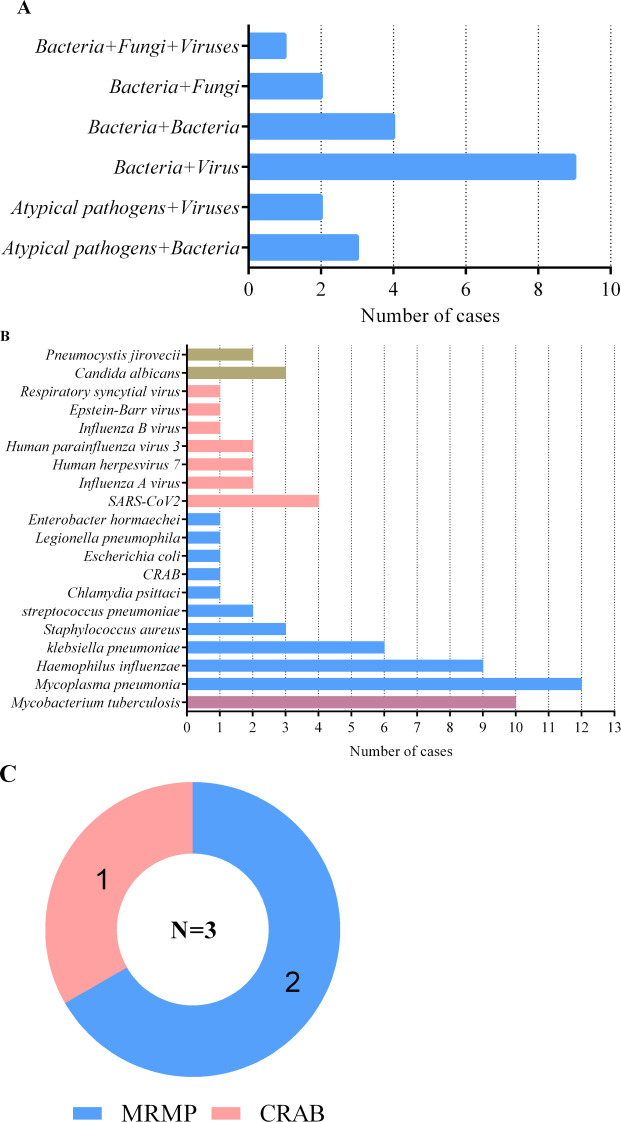
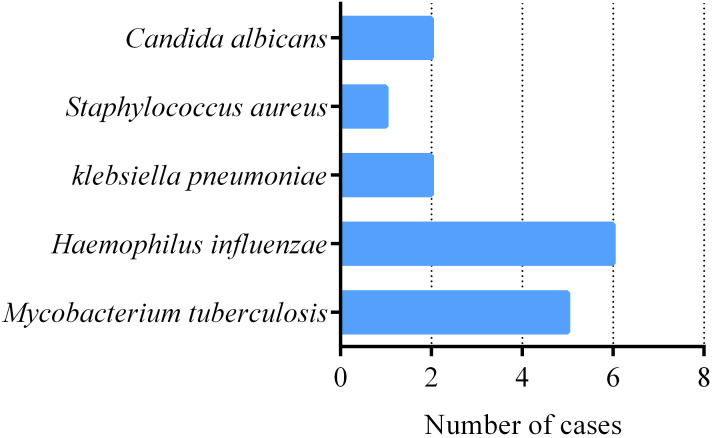
Results: The pathogen detection rate in BALF mNGS group was significantly higher than that in sputum culture group (P<0.0001). The length of hospital stay in the BALF mNGS group was shorter than that in the sputum group (P=0.0093). There was no statistically significant difference in mortality rate between the two groups (P=0.26). However, BALF mNGS group had a lower antibiotic usage rate than the sputum culture group (P=0.0491). According to the mNGS results, initial antipathogenic treatment was modified in 67.27% of patients. In BALF mNGS group, the main pathogens detected included Mycoplasma pneumoniae, Mycobacterium tuberculosis (MTB) and Haemophilus influenzae (HI). The sputum culture group mainly included: MTB, HI.
Conclusion: BALF mNGS effectively and rapidly identifies pathogens, helping doctors quickly diagnose severe pneumonia pathogens. Combined with the patient's medical history, laboratory results and imaging, clinical doctors can adjust the patient's treatment plan in time. This has potential advantages in improving the cure rate of severe pneumonia patients, reducing the length of hospital stay, and improving the prognosis.
Keywords: BALF mNGS; pathogen; severe pneumonia; sputum culture; treatment.
Copyright © 2025 Gao, Yin, Niu, Hao, Chen and Yang.
Conflict of interest statement
The authors declare that the research was conducted in the absence of any commercial or financial relationships that could be construed as a potential conflict of interest.
Figures
References
-
- Carroll K. C., Pfaller M. A., Landry M. L., McAdam A. J., Patel R., Richter S. S., Warnock D. W. (Eds.) (2019). Manual of clinical microbiology (12th ed.) (United States of America: American Society for Microbiology; ).
Publication types
MeSH terms
Substances
LinkOut - more resources
Full Text Sources
Medical
