


Prediction models for intraventricular hemorrhage in very preterm infants: a systematic review
- PMID: 40535700
- PMCID: PMC12174386
- DOI: 10.3389/fped.2025.1605145
Prediction models for intraventricular hemorrhage in very preterm infants: a systematic review
Abstract
Objective: To provide an overview and critical appraisal of prediction models for Intraventricular hemorrhage (IVH) in very preterm infants.
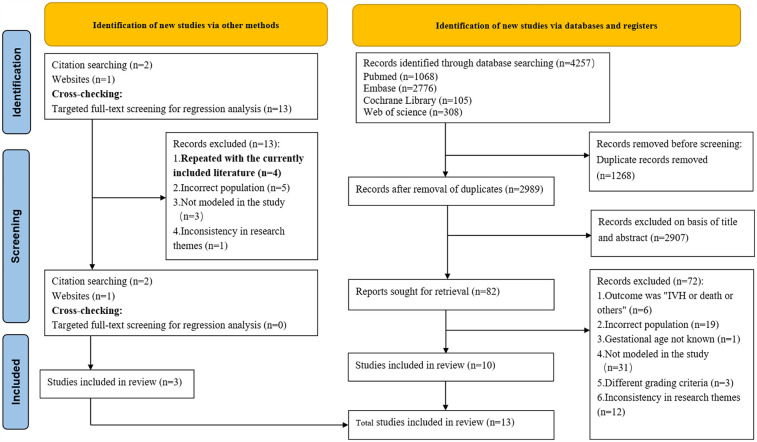
Methods: Our comprehensive literature search encompassed PubMed (MEDLINE), Embase, Web of Science, the Cochrane Library along with targeted searches of the Chinese Medical Association's online journal platform (up to 8 February 2025). We examined relevant citations during full-text review and thoroughly evaluated them for inclusion. We included studies that reported the development and/or validation of predictive models for IVH in preterm infants born at <32 weeks. We extracted the data independently based on the TRIPOD-SRMA checklist. We checked for risk of bias and applicability independently using the Prediction model Risk Of Bias Assessment.
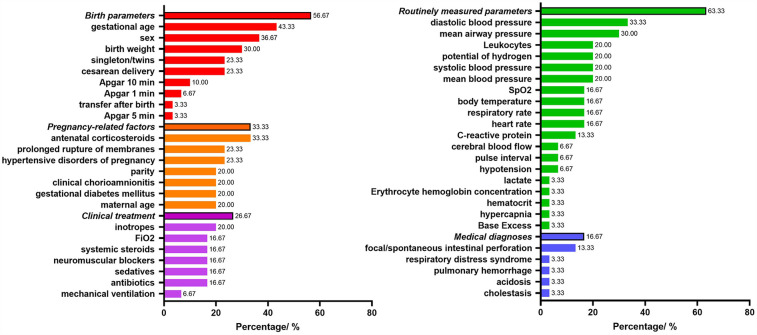
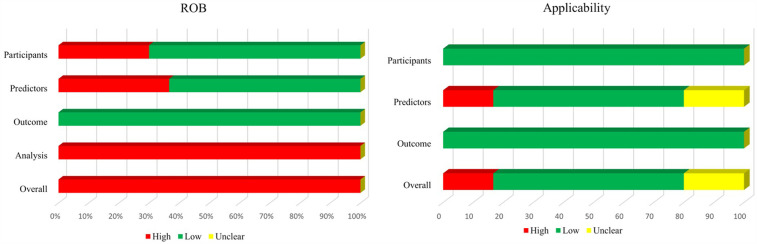
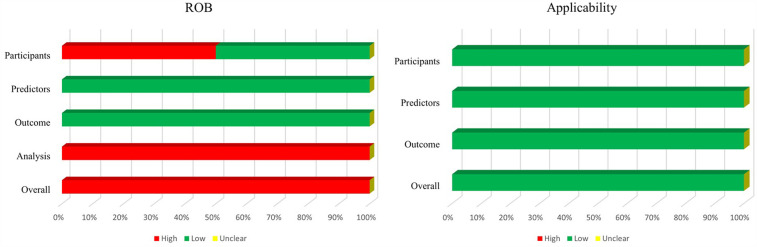
Results: A total of 30 prediction models from 11 studies reporting on model development and 2 models from 2 studies reporting on external validation were included in the analysis. The most frequently reported outcome in both model development studies (54.5%) and model validation studies (50%) was IVH I-IV. The most frequently used predictors in the models were gestational age (43.33%), followed by sex (36.67%), antenatal corticosteroids (33.33%), diastolic blood pressure (33.33%), birth weight (30%), and mean airway pressure (30%). The median C-statistic reported at model development was 0.83 (range 0.74-0.99). The majority of the included studies had a high risk of bias, mainly due to suboptimal analysis and mishandling of missing data. Furthermore, small sample sizes and insufficient numbers of event patients were observed in both types of studies. No meta-analysis was performed because no two studies validated the same model in comparable populations. We summarized performance metrics (e.g., C-statistic) descriptively.
Conclusion: The included studies may still be flawed to a certain extent. It is recommended that future studies augment the sample size and number of events, whilst ensuring that any missing data is addressed in a rational manner. Furthermore, the statistical analysis should be optimised, and the study made transparent for the purpose of model generalisation.
Keywords: intraventricular hemorrhage; model; prediction; systematic review; very preterm infants.
© 2025 Xiong, Wei, Li, Kang, Yu, Tang and Pu.
Conflict of interest statement
The authors declare that the research was conducted in the absence of any commercial or financial relationships that could be construed as a potential conflict of interest. The author(s) declared that they were an editorial board member of Frontiers, at the time of submission. This had no impact on the peer review process and the final decision.
Figures
References
Publication types
LinkOut - more resources
Full Text Sources
