


Mass Spectrometry-Based Untargeted Metabolomics Identifies Distinct Metabolic Signatures in Infertility: A Comparative Analysis of PCOS, POR, and NOR
- PMID: 40537734
- PMCID: PMC12271243
- DOI: 10.1007/s43032-025-01908-5
Mass Spectrometry-Based Untargeted Metabolomics Identifies Distinct Metabolic Signatures in Infertility: A Comparative Analysis of PCOS, POR, and NOR
Abstract
Background: Infertility affects approximately 15% of reproductive-age couples, with polycystic ovary syndrome and poor ovarian reserve being major contributing factors. Metabolomic profiling of follicular fluid offers insights into the underlying metabolic disturbances associated with these infertility phenotypes. This study aims to identify metabolic biomarkers distinguishing PCOS, POR, and male factor infertility, which may facilitate improved diagnostic and therapeutic strategies.
Methods: A total of 119 participants were categorized into three groups: PCOS (n = 39), POR (n = 40), and NOR (n = 40). Liquid chromatography-high-resolution mass spectrometry was used for untargeted metabolomic profiling. Metabolites were identified using HMDB, MassBank, and MoNA, while pathway analysis was performed using KEGG. Statistical analyses were conducted using R and Python, including one-way ANOVA, t-tests, and Mann-Whitney U tests, with False Discovery Rate correction applied.
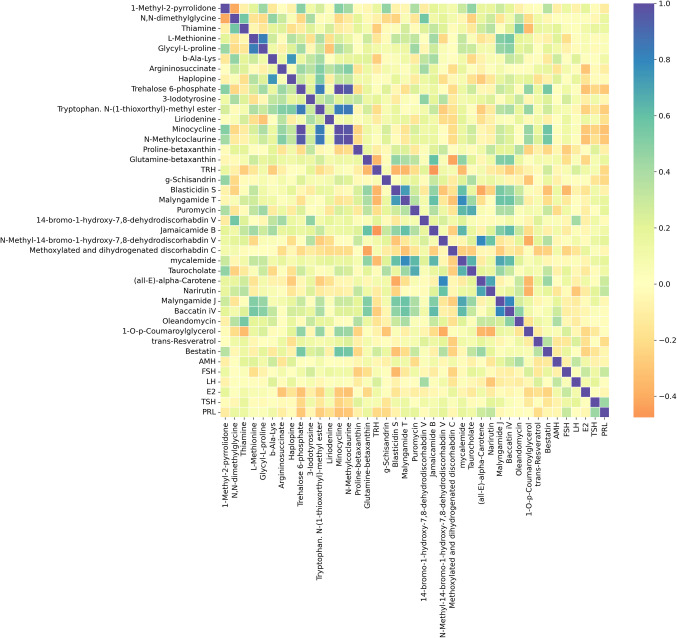
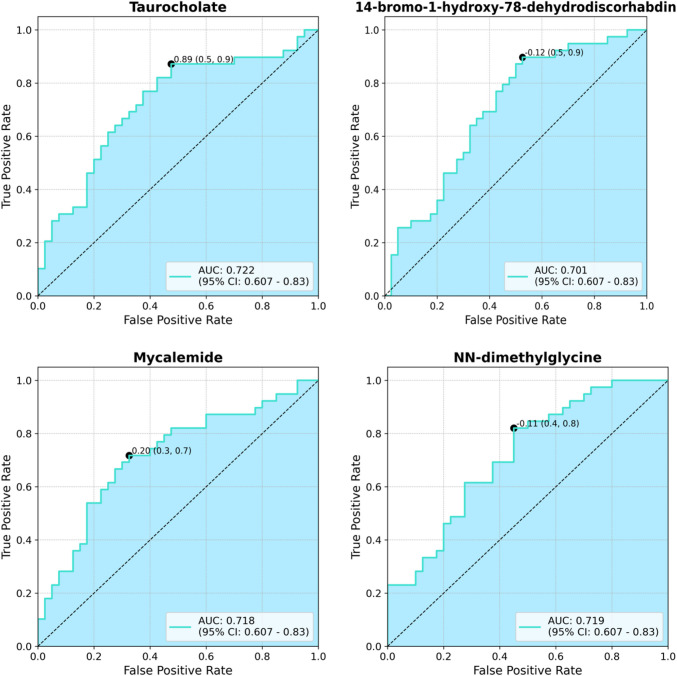
Results: Distinct metabolic alterations were observed among the groups. Trehalose-6-phosphate, taurocholate, and N,N-dimethylglycine emerged as the most significantly altered metabolites, showing strong discriminatory potential between PCOS and POR. PCOS patients exhibited reduced levels of taurocholate, mycalemide, and trehalose-6-phosphate, whereas NOR patients showed elevated levels of N,N-dimethylglycine and argininosuccinate. The POR group demonstrated increased levels of 1-methyl-2-pyrrolidone and haplopine, along with a broader metabolite distribution.
Conclusion: This study reveals phenotype-specific metabolic signatures in PCOS and POR, identifying taurocholate, mycalemide, and N,N-dimethylglycine as potential follicular biomarkers. These findings contribute to a deeper understanding of the metabolic basis of infertility and highlight the potential of follicular fluid metabolomics for precision medicine in reproductive health.
Keywords: Follicular fluid; Infertility; Metabolic pathways; Polycystic ovary syndrome; Poor ovarian reserve; Taurocholate; Trehalose-6-phosphate; Untargeted metabolomics.
© 2025. The Author(s).
Conflict of interest statement
Declarations. Conflicts of Interest: The authors declare no conflicts of interest related to this study. Ethics Approval: This study was approved by the Research Ethics Committee of Bezmialem Vakıf University (Approval Number: 173773) Consent to Participate: All participants provided written informed consent prior to their inclusion in the study. Consent for Publication: All authors have reviewed and approved the manuscript for publication.
Figures



References
-
- World Health Organization. Infertility prevalence estimates, 1990–2021. World Health Organization; 2023.
Publication types
MeSH terms
Substances
LinkOut - more resources
Full Text Sources
Medical
