


Update on the medical management of fibrous dysplasia of the bone
- PMID: 40538772
- PMCID: PMC12177257
- DOI: 10.1177/20420188251347350
Update on the medical management of fibrous dysplasia of the bone
Abstract
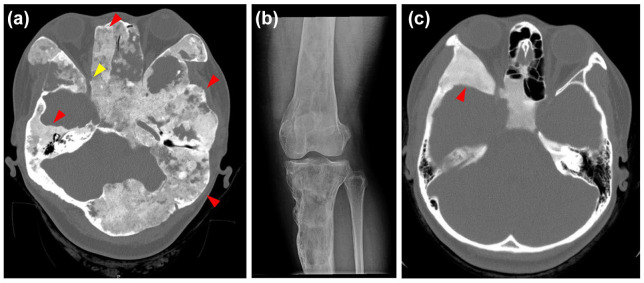
Fibrous dysplasia (FD) is a rare, benign skeletal disorder characterized by expansile, fibrotic bone lesions that replace normal bone, resulting in decreased bone strength, pain, and fractures. The clinical presentation of FD can vary widely, complicating the diagnosis. FD can manifest as monostotic (single bone) or polyostotic (multiple bones) disease and can occur independently or as part of McCune-Albright Syndrome (MAS), a genetic condition that includes café-au-lait skin hyperpigmentation and endocrine abnormalities. FD/MAS arises from activating mutations in the GNAS gene, leading to constitutive activation of the Gsα protein and elevated cAMP levels. Despite understanding the genetic cause of FD, effective treatments remain limited. Current management strategies focus primarily on symptom control following the most recent comprehensive guidelines published in 2019. This review highlights emerging pharmacologic treatments, including denosumab, a monoclonal antibody that has shown promise in reducing lesion size and pain in FD patients, and burosumab, a monoclonal antibody targeting FGF23, which reduces renal phosphate wasting and osteomalacia in FD patients. In addition, we review updates in advanced genetic testing techniques, such as cell-free DNA and direct lesion sampling for next-generation sequencing, which are promising methods for improving the diagnostic accuracy of FD. Finally, multimodal approaches for pain management in FD, including nonsteroidal anti-inflammatory drugs, bisphosphonates, and novel agents like cannabinoids, are being used alongside the traditional approaches with physical therapy and psychological support. Ongoing research aims to enhance our understanding of FD pathogenesis and develop targeted therapies that could potentially reverse disease progression. This review underscores the importance of implementing a multidisciplinary approach in the management of FD/MAS and finding new therapeutic approaches that will help address the diverse manifestations and improve the quality of life for patients.
Keywords: McCune-Albright syndrome; bisphosphonates; fibrous dysplasia; metabolic bone disease; pain management.
© The Author(s), 2025.
Figures


References
-
- Collins MT. Spectrum and natural history of fibrous dysplasia of bone. J Bone Miner Res 2006; 21(Suppl. 2): P99–P104. - PubMed
-
- Ricalde P, Horswell BB. Craniofacial fibrous dysplasia of the fronto-orbital region: a case series and literature review. J Oral Maxillofac Surg 2001; 59(2): 157–167; discussion 67–68. - PubMed
-
- Chapurlat RD, Orcel P. Fibrous dysplasia of bone and McCune-Albright syndrome. Best Pract Res Clin Rheumatol 2008; 22(1): 55–69. - PubMed
Publication types
LinkOut - more resources
Full Text Sources
Other Literature Sources
