


Unlocking glioblastoma: breakthroughs in molecular mechanisms and next-generation therapies
- PMID: 40542948
- PMCID: PMC12182518
- DOI: 10.1007/s12032-025-02830-1
Unlocking glioblastoma: breakthroughs in molecular mechanisms and next-generation therapies
Abstract
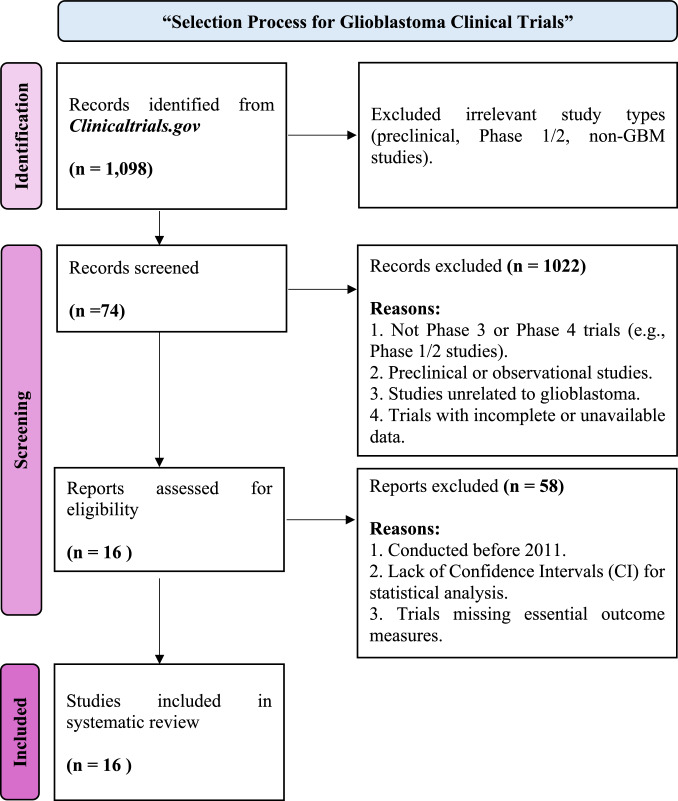
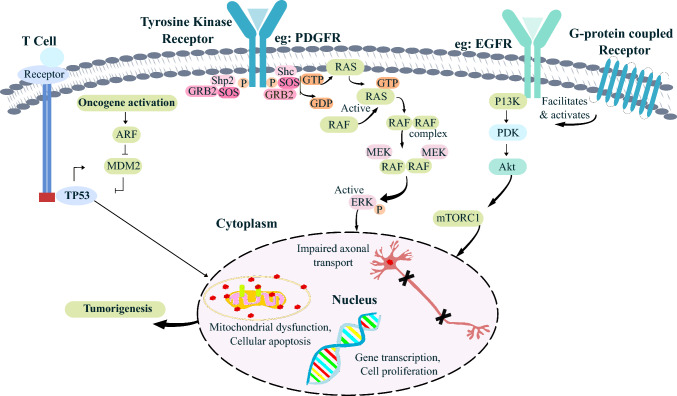
Glioblastoma (GB) remains the most aggressive primary brain tumor in adults, characterized by rapid progression, recurrence, and resistance to conventional therapies. Despite advancements in surgical resection, radiation, and chemotherapy, long-term survival rates remain low. This review comprehensively explores GB's molecular classification, pathological mechanisms, epidemiology, and emerging therapeutic strategies. Key genetic mutations in TP53, MAPK/ERK, PI3K/AKT/mTOR, and many more signaling pathways, such as Notch, Wnt, Hedgehog, TGF-β, and NF-κB drive tumor progression, therapy resistance, and immune evasion. Diagnostic advances, including multi-modal imaging and molecular profiling, have improved early detection and precision therapy selection. Conventional treatments such as temozolomide and radiation therapy provide modest benefits, but novel approaches offer promising alternatives. Immunotherapy, targeting checkpoint inhibitors and tumor vaccines, has emerged as a potential avenue for enhancing tumor control. Nanotechnology-based drug delivery, particularly liposomal formulations and CRISPR-Cas9 gene editing improves blood-brain barrier penetration and reduces systemic toxicity. Targeted inhibitor-based therapies, including angiogenesis inhibitors, help limit tumor vascularization. Furthermore, a systematic review of 16 clinical trials highlights the emerging trends in combinatorial strategies, their adverse events, and outcomes, which remain pivotal for optimizing GB management. This review synthesizes current research while emphasizing future directions that could revolutionize GB therapeutic approaches and improve patient survival.
Keywords: Glioblastoma; Immunotherapy; Systematic review; Targeted therapy; Therapeutic resistance; Tumor microenvironment.
© 2025. The Author(s).
Conflict of interest statement
Declarations. Conflict of interests: The authors declare no competing interests.
Figures
References
-
- Mynarek M, Rossius A, Guiard A, Ottensmeier H, von Hoff K, Obrecht-Sturm D, et al. Risk factors for domain-specific neurocognitive outcome in pediatric survivors of a brain tumor in the posterior fossa – Results of the HIT 2000 trial. Neuro Oncol. 2024. 10.1093/neuonc/noae092/7687860. - DOI - PMC - PubMed
-
- Weeden CE, Hill W, Lim EL, Grönroos E, Swanton C. Impact of risk factors on early cancer evolution. Cell [Internet] - PubMed
-
- Alexander BM, Cloughesy TF. 2017. Adult Glioblastoma. 35: 2402–9. 10.1200/JCO.2017.73.0119 - PubMed
Publication types
MeSH terms
LinkOut - more resources
Full Text Sources
Medical
Research Materials
Miscellaneous
