


The role of physical activity and epigenetic changes in colorectal cancer prevention
- PMID: 40545531
- PMCID: PMC12183916
- DOI: 10.1186/s12935-025-03872-1
The role of physical activity and epigenetic changes in colorectal cancer prevention
Abstract
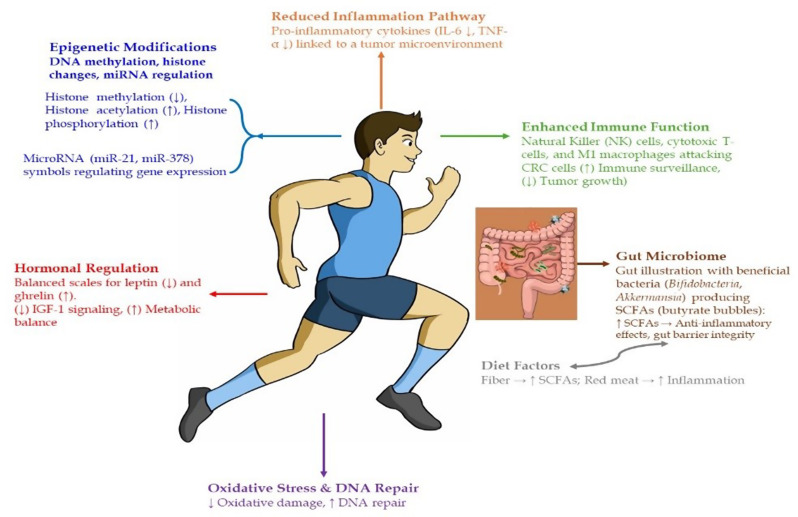
Regular and consistent physical activity significantly reduces the risk of colorectal cancer (CRC) by approximately 24% in men and 23% in women. There are several mechanisms through which exercise can help protect against CRC. For example, it can reduce chronic inflammation, boost the immune system, and cause positive epigenetic changes like DNA methylation and histone modifications. It increases the activity of immune cells like natural killer cells and cytotoxic T lymphocytes, shifts macrophages to an anti-tumor state, and promotes a tumor-suppressive microenvironment. Exercise also positively affects the gut microbiome, increasing beneficial bacteria that produce anti-inflammatory short-chain fatty acids like butyrate, which strengthen gut health and support epigenetic regulation. Additionally, physical activity lowers oxidative stress, enhances DNA repair, and regulates hormones like insulin and IGF-1, which are associated with cancer progression. Although exercise benefits vary among individuals, especially between genders, it is still a powerful preventive and therapeutic tool for CRC. For patients and survivors, personalized exercise programs improve physical function, decrease fatigue, and improve overall quality of life. Overall, exercise offers a multifaceted approach to CRC prevention and management by targeting inflammation, immunity, epigenetics, and gut health, as this review explores.
Keywords: Colorectal cancer; Epigenetic changes; Immunity; Inflammation; Physical activity.
Conflict of interest statement
Declarations. Ethics approval and consent to participate: NA. Consent for publication: NA. Competing interests: The authors declare no competing interests.
Figures
References
-
- Vallis J, Wang PP. The role of diet and lifestyle in colorectal cancer incidence and survival. Exon Publications. 2022:13–24. - PubMed
Publication types
LinkOut - more resources
Full Text Sources
Miscellaneous
