


Prevotella stercorea increases fat deposition in Jinhua pigs fed alfalfa grass-based diets
- PMID: 40551275
- PMCID: PMC12186324
- DOI: 10.1186/s40104-025-01217-6
Prevotella stercorea increases fat deposition in Jinhua pigs fed alfalfa grass-based diets
Abstract
Background: Fat is a key component of body composition in both humans and animals, with intramuscular fat (IMF) being a critical determinant of pork quality. Higher IMF level enhances meat qualities such as flavor, tenderness, and juiciness, directly influencing consumer preference and market demand. Therefore, identifying microbial biomarkers associated with fat deposition is essential for improving meat quality in livestock and understanding how gut microbiota regulates host metabolism.
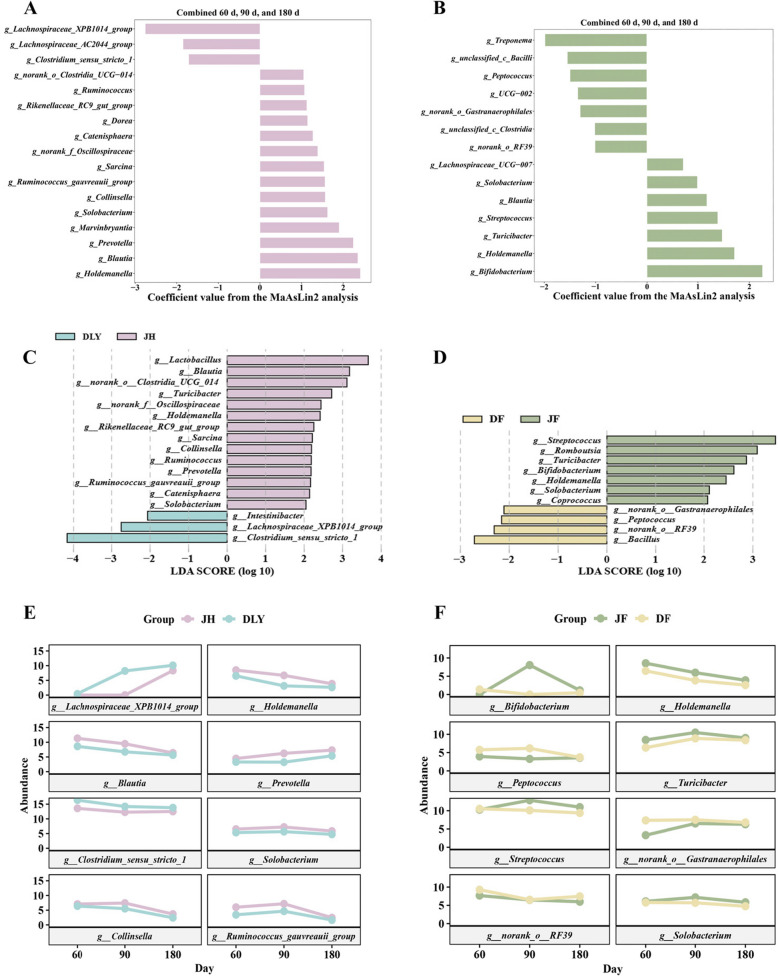
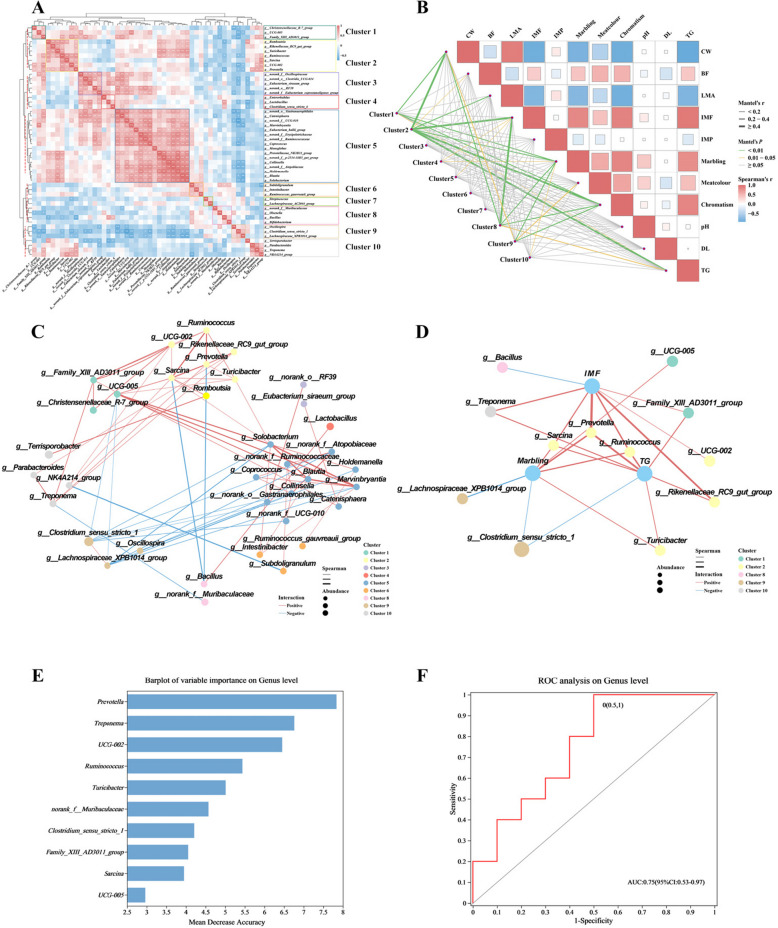
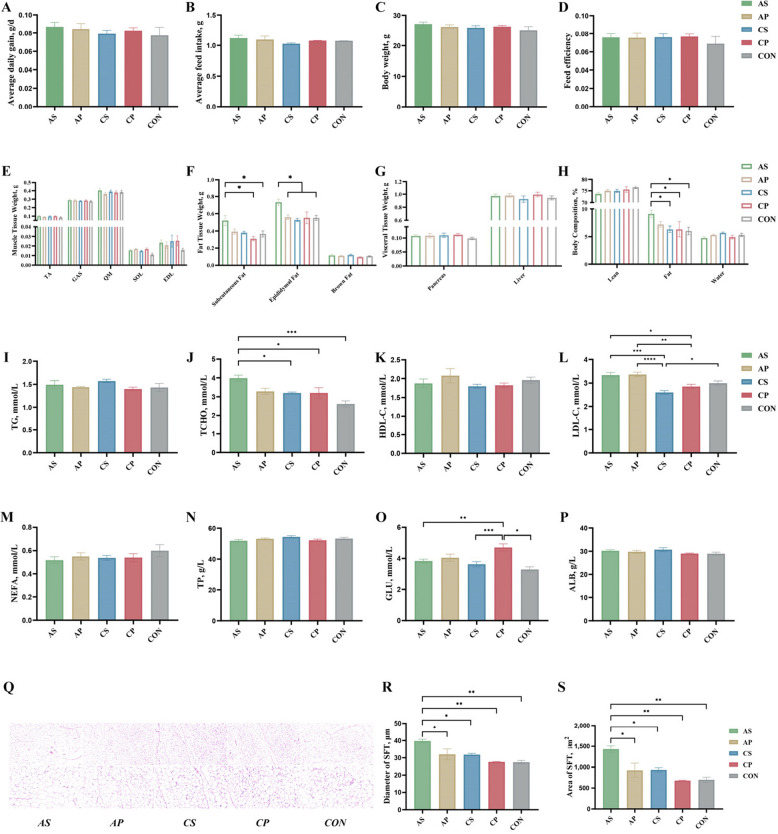
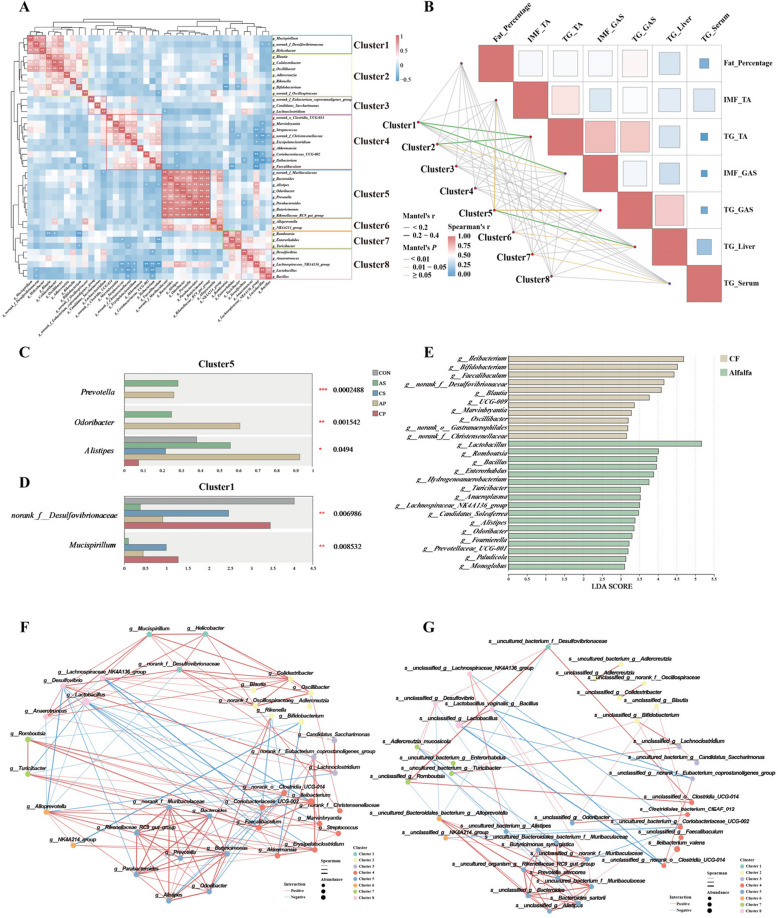
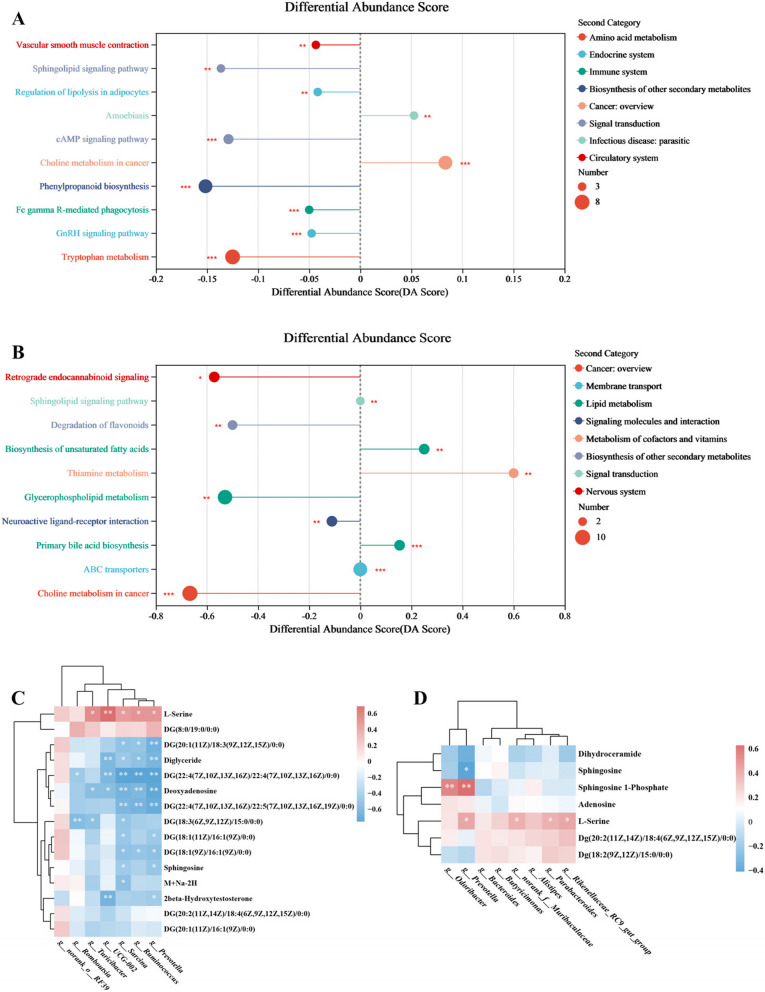
Results: In this study, we examined changes in meat quality, fat metabolism, and gut microbiota during the pig life cycle, from weaning to marketing. We found that Jinhua pig exhibited higher IMF content and marbling score, and higher α diversity of colonic microbial communities. Microbiome Multivariate Association with Linear Models was used to identify the core genera associated with age, breed, and feed, and Prevotella was found to respond to both age and breed factors. The correlation analysis of fat deposition indicators with microbial genera revealed that Prevotella was a potential biomarker in response to IMF. In addition, the P. stercorea DSM 18206 (P. stercorea) was identified in porcine sample and administered to pseudo sterile mouse to examine the effect on IMF deposition. We found that the gavage of P. stercorea with alfalfa-enriched diet led to a significant increase in triglyceride (TG) and IMF contents in muscle. Metabolomic analysis further confirmed P. stercorea may potentially regulate fat deposition through the sphingolipid signaling pathway.
Conclusions: We identified P. stercorea as a potential biomarker linked to higher IMF deposition and validated their role in shaping the gut microbiota and promoting fat accumulation in a mouse model, which correlated with the sphingolipid signaling pathway. These findings provide valuable insights into the role of P. stercorea in regulating fat deposition and metabolic health, offering implications for improving both livestock meat quality and lipid metabolism in humans.
Keywords: Prevotella; Intramuscular fat; Jinhua pig; Microbiome.
© 2025. The Author(s).
Conflict of interest statement
Declarations. Ethics approval and consent to participate: All animal procedures such as ethical and animal welfare issues were approved by the Committee on Animal Care and Use and Committee on the Ethics of Animal Experiments of Zhejiang University (approval number: ZJU20001). Consent for publication: Not applicable. Competing interests: The authors declare that they have no known competing financial interests or personal relationships that could have appeared to influence the work reported in this paper.
Figures



References
Grants and funding
LinkOut - more resources
Full Text Sources
Miscellaneous
