


Modeling Dual-Task Performance: Identifying Key Predictors Using Artificial Neural Networks
- PMID: 40558320
- PMCID: PMC12190634
- DOI: 10.3390/biomimetics10060351
Modeling Dual-Task Performance: Identifying Key Predictors Using Artificial Neural Networks
Abstract
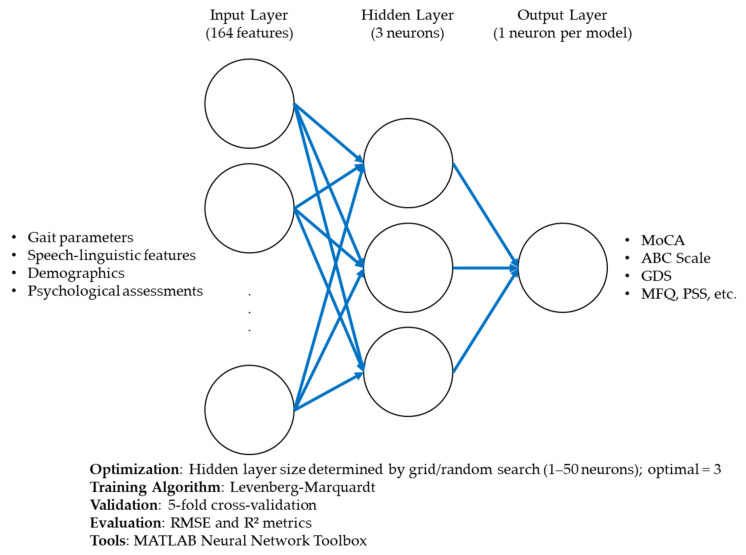
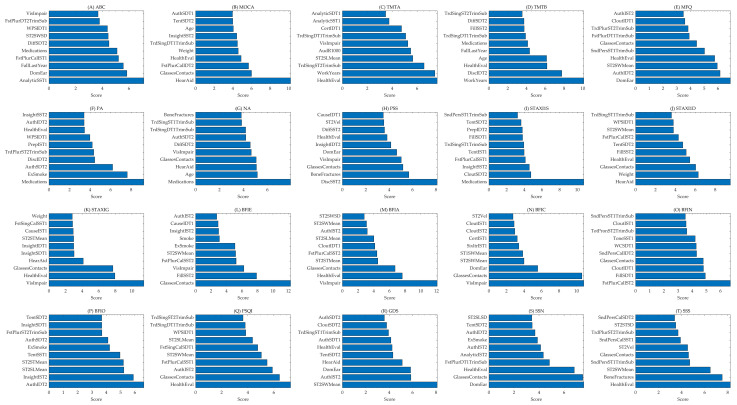
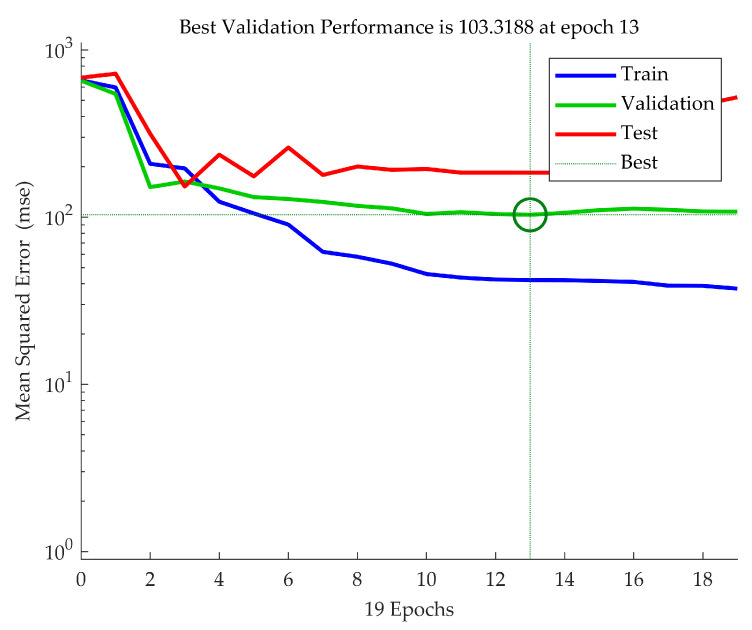
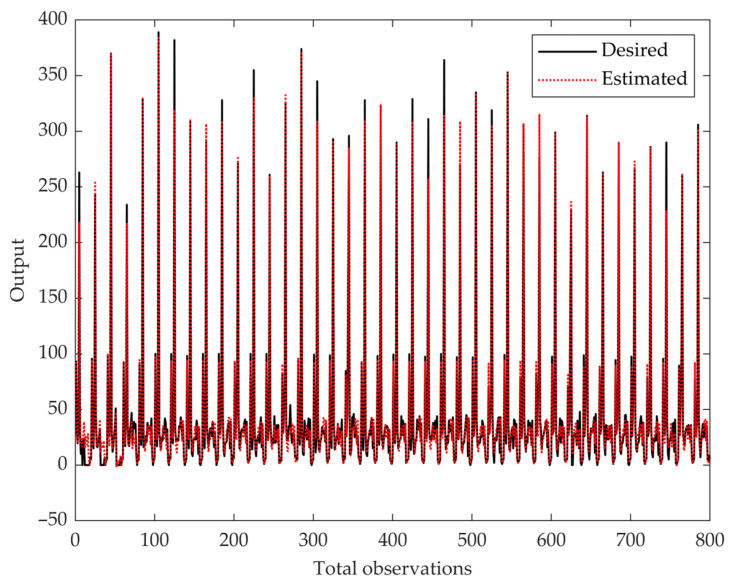
Dual-task paradigms that combine cognitive and motor tasks offer a valuable lens for detecting subtle impairments in cognitive and physical functioning, especially in older adults. This study used artificial neural network (ANN) modeling to predict clinical, cognitive, and psychosocial outcomes from integrated gait, speech-linguistic, demographic, physiological, and psychological data collected during single- and dual-task conditions. Forty healthy adults (ages 20-84) completed physical, cognitive, and psychosocial assessments and a dual-task walking task involving cell phone use. ANN models were optimized using hyperparameter tuning and k-fold cross-validation to predict outcomes such as the Montreal Cognitive Assessment (MOCA), Trail Making Tests (TMT A and B), Activities-Specific Balance Confidence (ABC) Scale, Geriatric Depression Scale (GDS), and measures of memory, affect, and social support. The models achieved high accuracy for MOCA (100%), ABC (80%), memory function (80%), and social support satisfaction (75%). Feature importance analyses revealed key predictors such as speech-linguistic markers and sensory impairments. First-person plural pronoun used and authenticity of internal thoughts during dual-task emerged as strong predictors of MOCA and memory. Models were less accurate for complex executive tasks like TMT A and B. These findings support the potential of ANN models for the early detection of cognitive and psychosocial changes.
Keywords: artificial neural network (ANN); cognitive assessment; cognitive-motor integration; dual-task performance; gait analysis; machine learning in healthcare; psychosocial predictors; speech-linguistic features; timing.
Conflict of interest statement
The authors declare no conflict of interest.
Figures
References
-
- Zahodne L.B., Mayeda E.R., Hohman T.J., Fletcher E., Racine A.M., Gavett B., Manly J.J., Schupf N., Mayeux R., Brickman A.M., et al. The role of education in a vascular pathway to episodic memory: Brain maintenance or cognitive reserve? Neurobiol. Aging. 2019;84:109–118. doi: 10.1016/j.neurobiolaging.2019.08.009. - DOI - PMC - PubMed
LinkOut - more resources
Full Text Sources
