


Hydrochemical Characteristics, Controlling Factors, and High Nitrate Hazards of Shallow Groundwater in an Urban Area of Southwestern China
- PMID: 40559989
- PMCID: PMC12197245
- DOI: 10.3390/toxics13060516
Hydrochemical Characteristics, Controlling Factors, and High Nitrate Hazards of Shallow Groundwater in an Urban Area of Southwestern China
Abstract
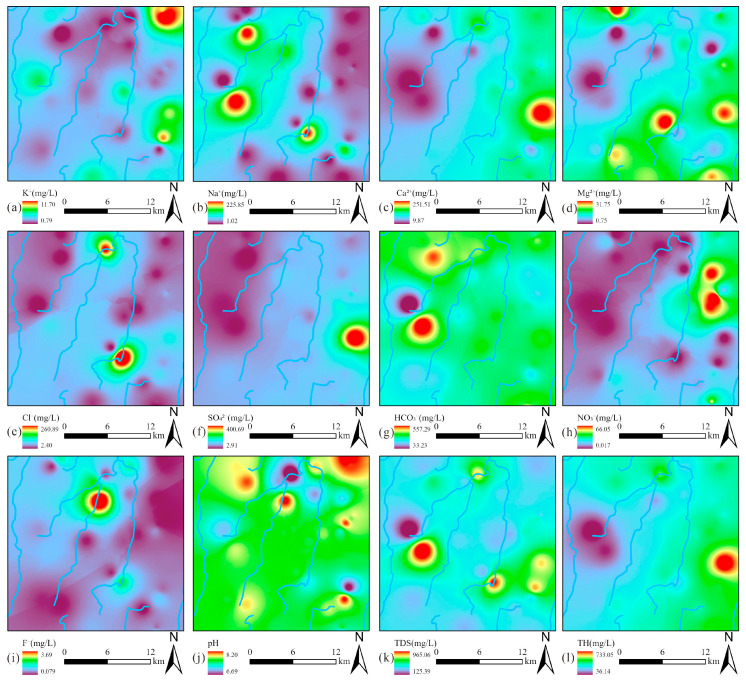
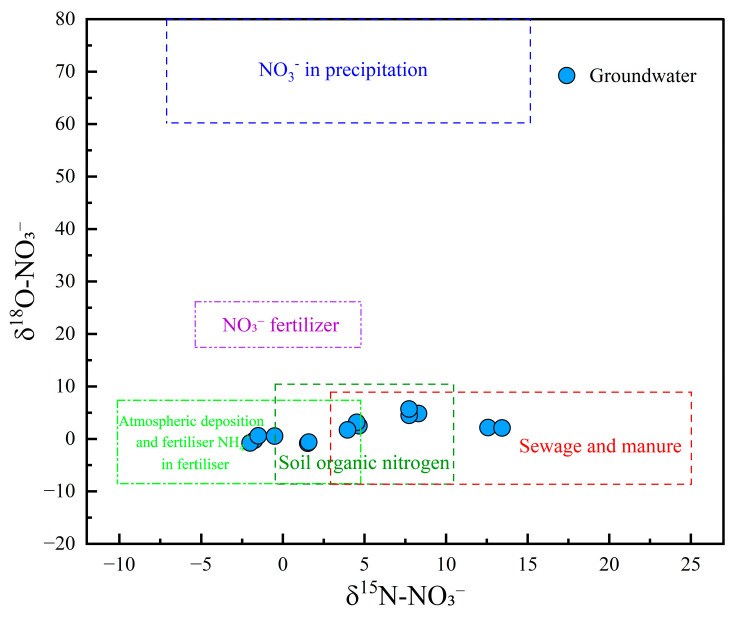
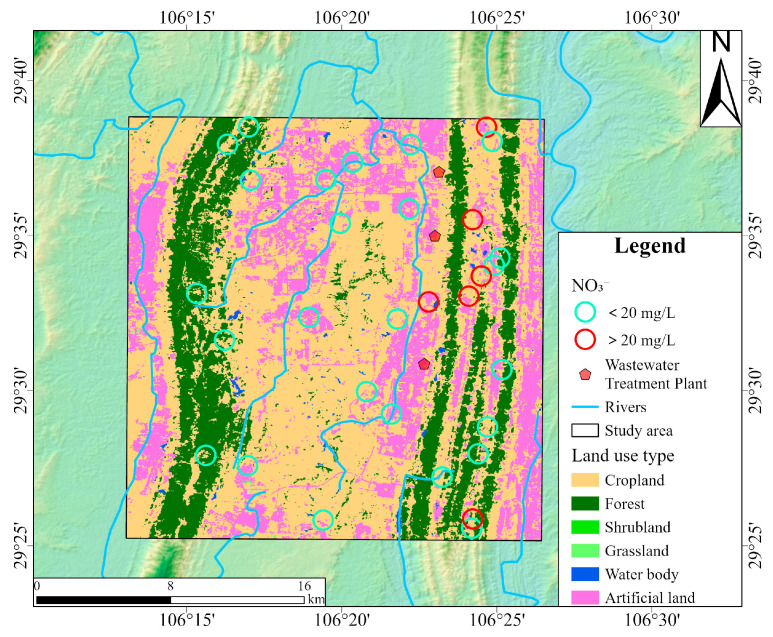
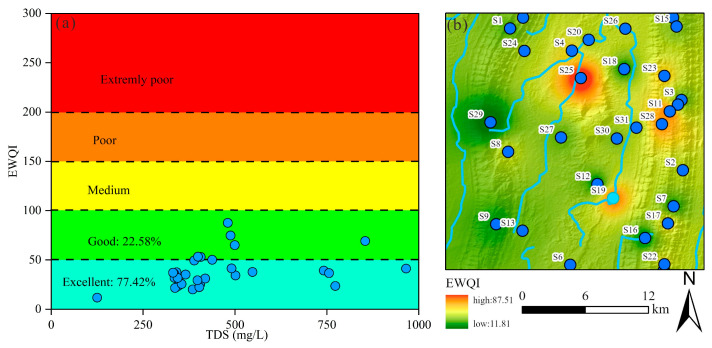
Groundwater nitrate (NO3-) contamination has emerged as a critical global environmental issue, posing serious human health risks. This study systematically investigated the hydrochemical processes, sources of NO3- pollution, the impact of land use on NO3- pollution, and drinking water safety in an urban area of southwestern China. Thirty-one groundwater samples were collected and analyzed for major hydrochemical parameters and dual isotopic composition of NO3- (δ15N-NO3- and δ18O-NO3-). The groundwater samples were characterized by neutral to slightly alkaline nature, and were dominated by the Ca-HCO3 type. Hydrochemical analysis revealed that water-rock interactions, including carbonate dissolution, silicate weathering, and cation exchange, were the primary natural processes controlling hydrochemistry. Additionally, anthropogenic influences have significantly altered NO3- concentration. A total of 19.35% of the samples exceeded the Chinese guideline limit of 20 mg/L for NO3-. Isotopic evidence suggested that primary sources of NO3- in groundwater include NH4+-based fertilizer, soil organic nitrogen, sewage, and manure. Spatial distribution maps indicated that the spatial distribution of NO3- concentration correlated strongly with land use types. Elevated NO3- levels were observed in areas dominated by agriculture and artificial surfaces, while lower concentrations were associated with grass-covered ridge areas. The unabsorbed NH4+ from nitrogen fertilizer entered groundwater along with precipitation and irrigation water infiltration. The direct discharge of domestic sewage and improper disposal of livestock manure contributed substantially to NO3- pollution. The nitrogen fixation capacity of the grassland ecosystem led to a relatively low NO3- concentration in the ridge region. Despite elevated NO3- and F- concentrations, the entropy weighted water quality index (EWQI) indicated that all groundwater samples were suitable for drinking. This study provides valuable insights into NO3- source identification and hydrochemical processes across varying land-use types.
Keywords: drinking water quality; groundwater; land use; nitrate; stable isotopes.
Conflict of interest statement
Author Chang Yang was employed by the company Chongqing Huadi Resources Environment Technology Co., Ltd. The remaining authors declare that the research was conducted in the absence of any commercial or financial relationships that could be construed as a potential conflict of interest.
Figures
References
-
- Scanlon B.R., Fakhreddine S., Rateb A., De Graaf I., Famiglietti J., Gleeson T., Grafton R.Q., Jobbagy E., Kebede S., Kolusu S.R., et al. Author Correction: Global Water Resources and the Role of Groundwater in a Resilient Water Future. Nat. Rev. Earth Environ. 2023;4:351. doi: 10.1038/s43017-023-00418-9. - DOI
-
- Sforzi L., Sarti C., Santini S., Martellini T., Cincinelli A. Global Status, Risk Assessment, and Knowledge Gaps of Microplastics in Groundwater: A Bibliometric Analysis. Groundw. Sustain. Dev. 2024;27:101375. doi: 10.1016/j.gsd.2024.101375. - DOI
Grants and funding
LinkOut - more resources
Full Text Sources
