


Meckel's diverticulum as a lead point for intussusception in the first day of life: A case report of neonatal perforation
- PMID: 40561601
- PMCID: PMC12256289
- DOI: 10.1016/j.ijscr.2025.111548
Meckel's diverticulum as a lead point for intussusception in the first day of life: A case report of neonatal perforation
Abstract
Introduction and importance: Intussusception in neonates is extremely rare, especially in full-term newborns. Even rarer is the occurrence of Meckel's diverticulum (MD) acting as a lead point within the first 24 h of life. Prompt recognition is critical as delays can lead to bowel perforation and life-threatening complications.
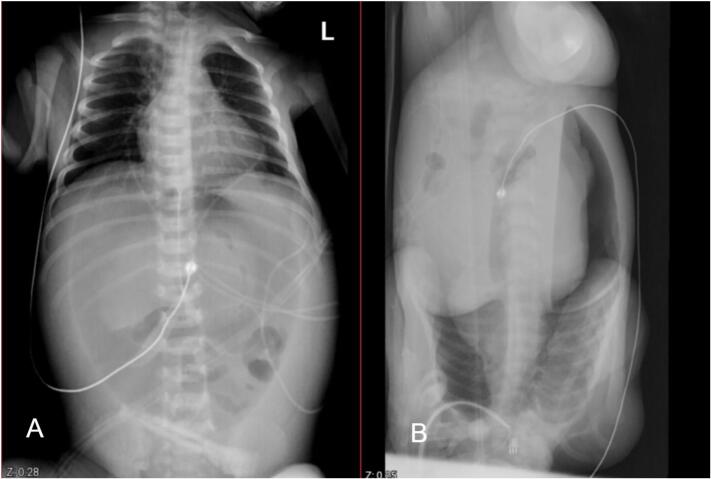
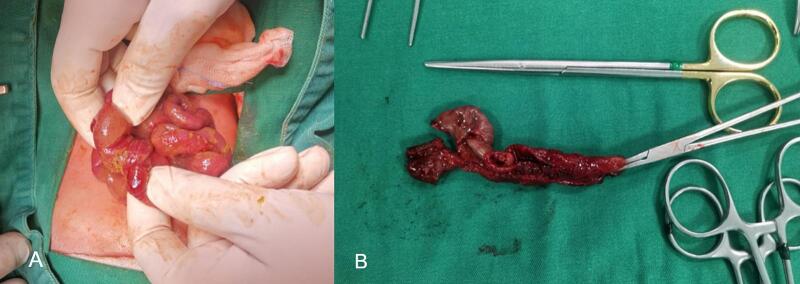
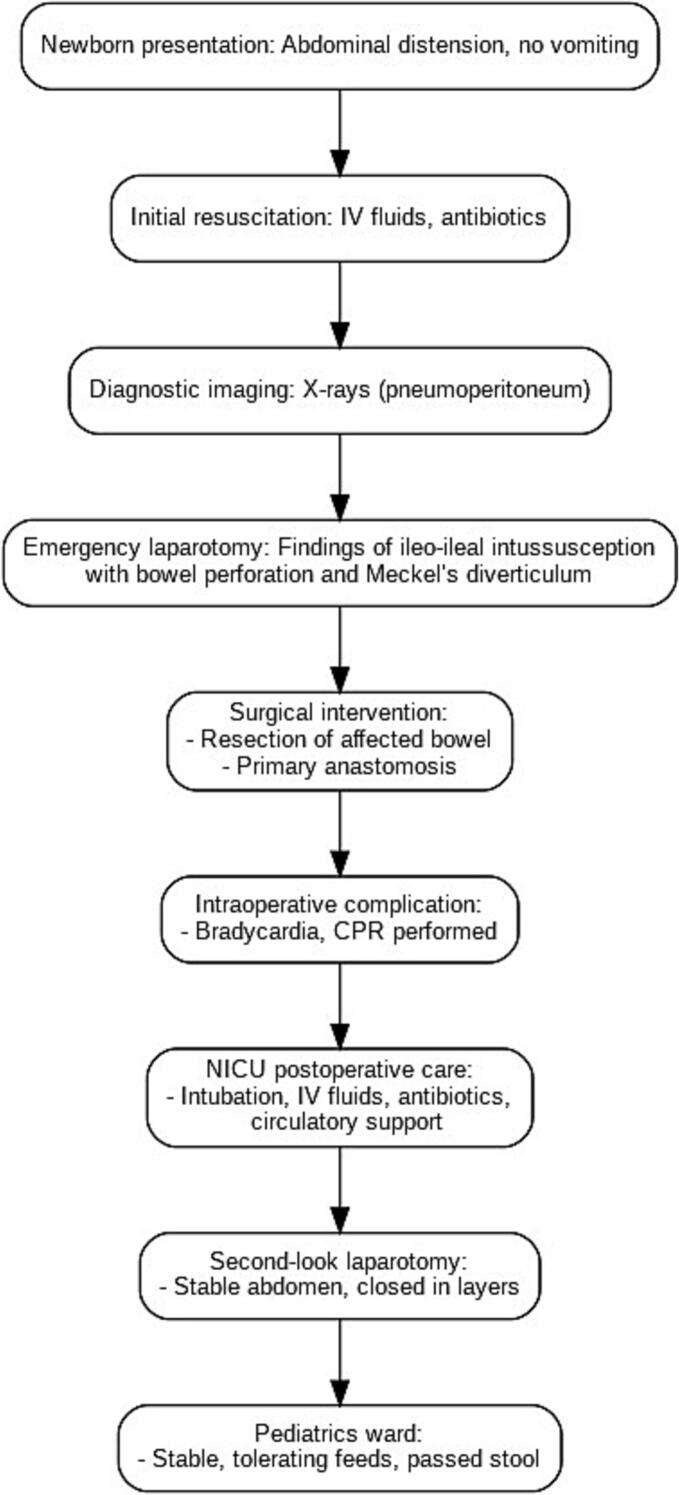
Case presentation: We report a case of a 13-hour-old full-term female neonate who presented with abdominal distension and signs of sepsis shortly after her first feed. Imaging revealed pneumoperitoneum, prompting emergent laparotomy. Intraoperatively, ileoileal intussusception with bowel perforation was identified, with Meckel's diverticulum acting as the lead point. The affected segment was resected with primary anastomosis. The patient required cardiopulmonary resuscitation intraoperatively but eventually made a full recovery after a second-look surgery and NICU support.
Discussion: This case represents one of the earliest presentations of MD-related intussusception complicated by bowel perforation in a term neonate. Diagnosing intussusception in neonates is challenging due to atypical presentation. Although MD is the most common congenital GI anomaly, it rarely presents symptomatically in neonates, let alone as a cause of intussusception and perforation on day one of life.
Conclusion: Neonatal intussusception, particularly in term infants, should not be overlooked in the differential diagnosis of early abdominal emergencies. Meckel's diverticulum, despite its rarity as a lead point in this age group, must be considered to avoid delayed diagnosis and serious complications.
Keywords: Bowel perforation; Meckel's diverticulum; Neonatal intussusception; Term neonate.
Copyright © 2025 The Authors. Published by Elsevier Ltd.. All rights reserved.
Conflict of interest statement
Conflict of interest statement The authors have no conflict of interest to declare.
Figures
References
Publication types
LinkOut - more resources
Full Text Sources
