


Effects of SGLT2 Inhibitors on Sleep Apnea Parameters and Cheyne-Stokes Respiration in Patients with Acute Decompensated Heart Failure: A Prospective Cohort Study
- PMID: 40564192
- PMCID: PMC12190438
- DOI: 10.3390/biomedicines13061474
Effects of SGLT2 Inhibitors on Sleep Apnea Parameters and Cheyne-Stokes Respiration in Patients with Acute Decompensated Heart Failure: A Prospective Cohort Study
Abstract
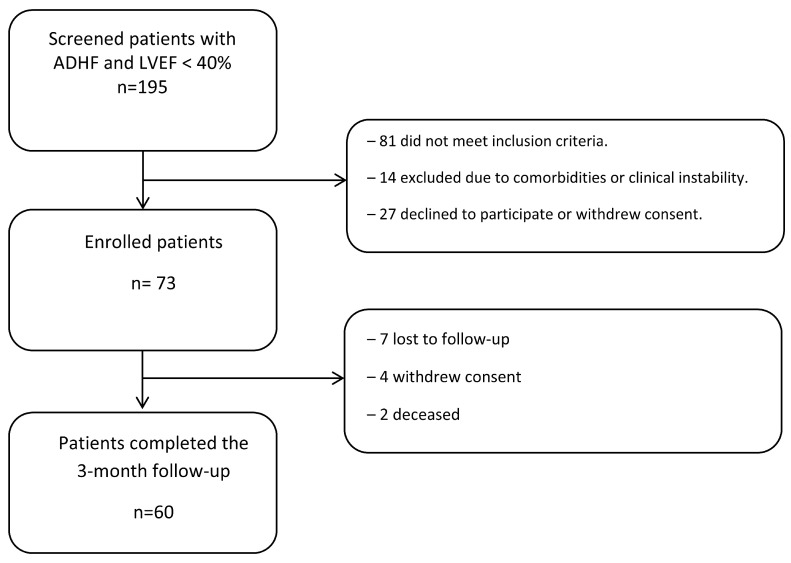
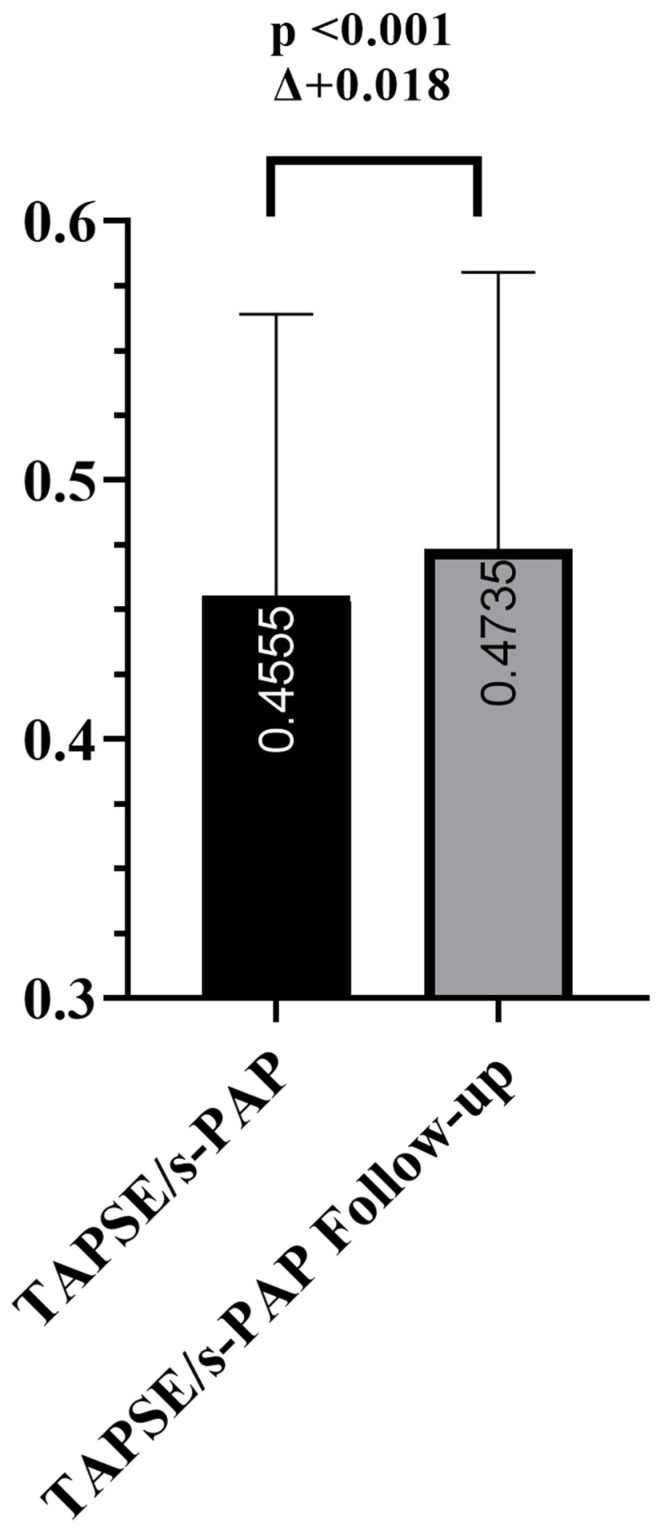
Background: Sleep-disordered breathing (SDB), particularly Cheyne-Stokes respiration (CSR), is highly prevalent among patients hospitalized with acute decompensated heart failure (ADHF) and is associated with worse clinical outcomes. Sodium-glucose cotransporter-2 inhibitors (SGLT2i) have demonstrated cardiorenal benefits in heart failure, but their effects on nocturnal respiratory parameters remain underexplored. Objectives: This study aims to evaluate the impact of SGLT2i therapy on key respiratory and cardiac indices including CSR burden, oxygenation, and right heart function in patients with ADHF and reduced left ventricular ejection fraction. Methods: In this single-center prospective cohort study, 60 patients with ADHF, LVEF < 40%, and a baseline apnea-hypopnea index (AHI) > 5 were assessed before and three months after the initiation of SGLT2i therapy. Sleep respiratory parameters were measured using home polygraphy (ApneaLinkTM), while cardiac and renal indices were evaluated by echocardiography, NT-proBNP, and the estimated glomerular filtration rate (eGFR). Structural and functional echocardiographic changes were analyzed both at baseline and following the 3-month treatment period. Patient-reported outcomes were assessed using the Epworth Sleepiness Scale (ESS) and Kansas City Cardiomyopathy Questionnaire (KCCQ). Results: After 3 months of SGLT2i therapy, significant improvements were observed in daytime sleepiness (ESS: -2.68 points; p < 0.001), CSR index (-5.63 events/h; p < 0.001), AHI (-3.07 events/h; p < 0.001), ODI (-6.11 events/h; p < 0.001), and mean nocturnal SpO2 (+1.95%; p < 0.001). KCCQ scores increased by 9.16 points (p < 0.001), indicating improved quality of life. Cardiac assessments revealed reductions in NT-proBNP (-329.6 pg/mL; p < 0.001) and E/e' ratio (-1.08; p < 0.001), with no significant change in LVEF or chamber dimensions. Right ventricular function improved, as evidenced by the increased TAPSE/sPAP ratio (+0.018; p < 0.001). Renal function remained stable, with a non-significant upward trend in eGFR. Conclusions: This exploratory study suggests that SGLT2 inhibitors may be associated with the attenuation of Cheyne-Stokes respiration and an improvement in right heart function in patients with ADHF, warranting further investigation in controlled trials. These findings highlight the potential of SGLT2is to address overlapping cardio-respiratory dysfunction in this high-risk population.
Keywords: Cheyne–Stokes respiration; SGLT2 inhibitors; acute decompensated heart failure; right ventricular function; sleep apnea.
Conflict of interest statement
The authors declare no conflict of interest.
Figures
References
-
- Oldenburg O., Lamp B., Faber L., Teschler H., Horstkotte D., Töpfer V. Sleep-disordered breathing in patients with symptomatic heart failure: A contemporary study of prevalence in and characteristics of 700 patients. Eur. J. Heart Fail. 2007;9:251–257. doi: 10.1016/j.ejheart.2006.08.003. - DOI - PubMed
Grants and funding
LinkOut - more resources
Full Text Sources
Research Materials
Miscellaneous
