


Preliminary Study of CCR9 and MAdCAM-1 Upregulation and Immune Imbalance in Canine Chronic Enteropathy: Findings Based on Histopathological Analysis
- PMID: 40564263
- PMCID: PMC12189423
- DOI: 10.3390/ani15121710
Preliminary Study of CCR9 and MAdCAM-1 Upregulation and Immune Imbalance in Canine Chronic Enteropathy: Findings Based on Histopathological Analysis
Abstract
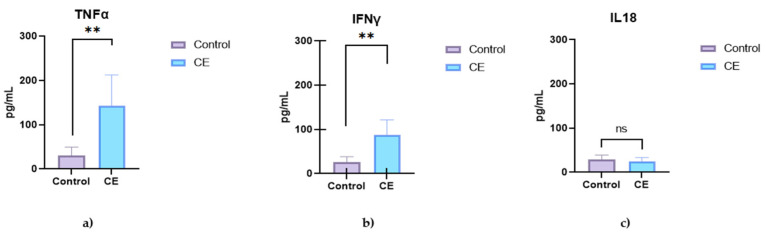
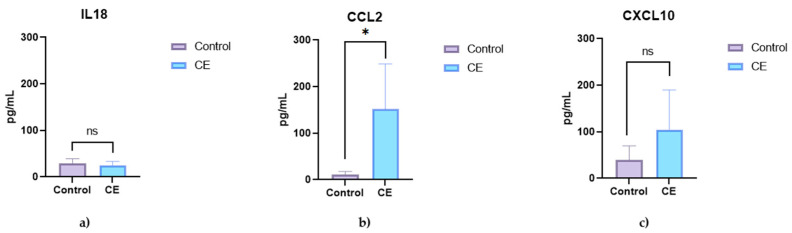
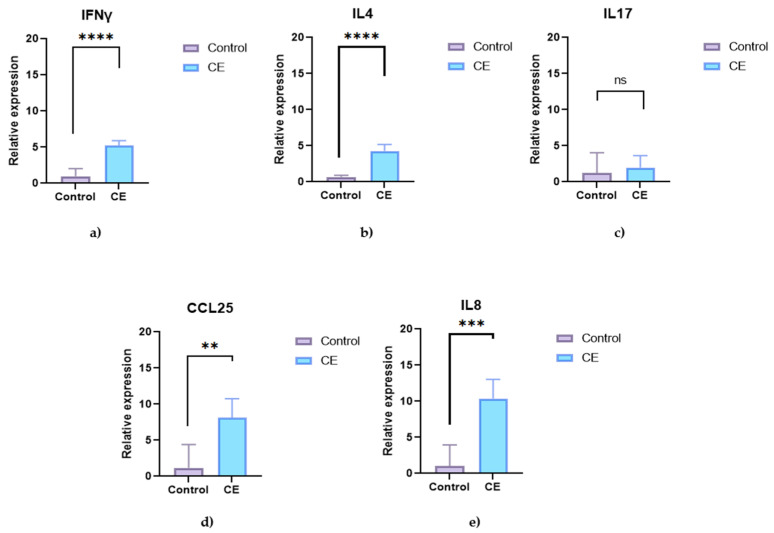
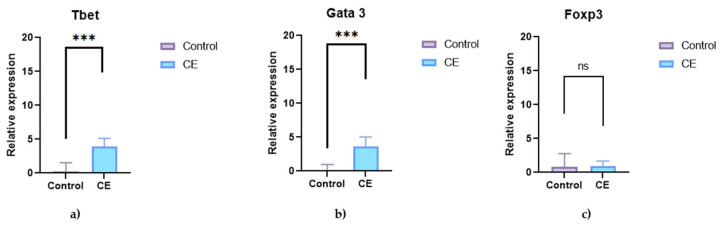
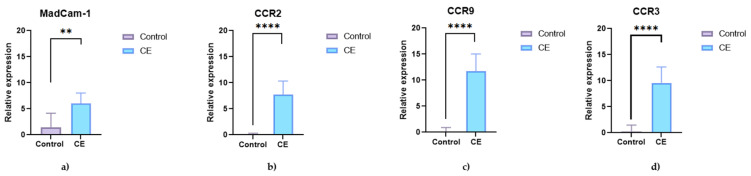
Canine chronic enteropathy (CE) is a gastrointestinal disorder characterized by persistent or recurrent digestive symptoms lasting more than three weeks. It shares similarities with human inflammatory bowel disease but its immunopathogenesis remains poorly characterized in dogs. The aim of this study was to characterize the local and systemic immune profile of dogs with CE by assessing cytokine and chemokine expression in serum and intestinal tissue, as well as the mRNA expression of immune-related receptors such as integrins, chemokine receptors, and cytokines. Duodenal biopsies and blood samples were collected from five dogs diagnosed with a CE and five healthy controls. Serum concentrations of cytokines and chemokines were determined by multiplex ELISA, and mRNA expression in the intestinal mucosa was analyzed by quantitative PCR. Dogs with a CE showed increased expression of pro-inflammatory cytokines, including TNF-α and IFN-γ, and increased concentrations of chemokines such as CXCL10 and CCL2 in both serum and tissue samples. Increased mRNA expression of the chemokine receptor CCR9 and the adhesion molecule MAdCAM-1 were also observed in intestinal samples. These findings provide new insights into the immune response involved in CE and may aid the development of future diagnostic biomarkers and targeted therapies for canine chronic enteropathies.
Keywords: CCR9; MAdCAM-1; canine; chemokines; chronic inflammatory enteritis; cytokines; immune profile.
Conflict of interest statement
Co-author Federico Cifuentes is affiliated with ESPA Diagnostics in his role as a researcher; however, this affiliation did not influence the conduct or outcomes of the study. The authors declare that there are no other conflicts of interest.
Figures
References
-
- Procoli F. Inflammatory Bowel Disease, Food-Responsive, Antibiotic-Responsive Diarrhoea, Protein Losing Enteropathy. Adv. Small Anim. Care. 2020;1:127–414. doi: 10.1016/j.yasa.2020.07.010. - DOI
-
- Cerquetella M., Rossi G., Suchodolski J.S., Schmitz S.S., Allenspach K., Rodríguez-Franco F., Furlanello T., Gavazza A., Marchegiani A., Unterer S., et al. Proposal for Rational Antibacterial Use in the Diagnosis and Treatment of Dogs with Chronic Diarrhoea. J. Small Anim. Pract. 2020;61:211–215. doi: 10.1111/jsap.13122. - DOI - PMC - PubMed
Grants and funding
LinkOut - more resources
Full Text Sources
