


Recognizing the Role of Insulin Resistance in Polycystic Ovary Syndrome: A Paradigm Shift from a Glucose-Centric Approach to an Insulin-Centric Model
- PMID: 40565766
- PMCID: PMC12194245
- DOI: 10.3390/jcm14124021
Recognizing the Role of Insulin Resistance in Polycystic Ovary Syndrome: A Paradigm Shift from a Glucose-Centric Approach to an Insulin-Centric Model
Abstract
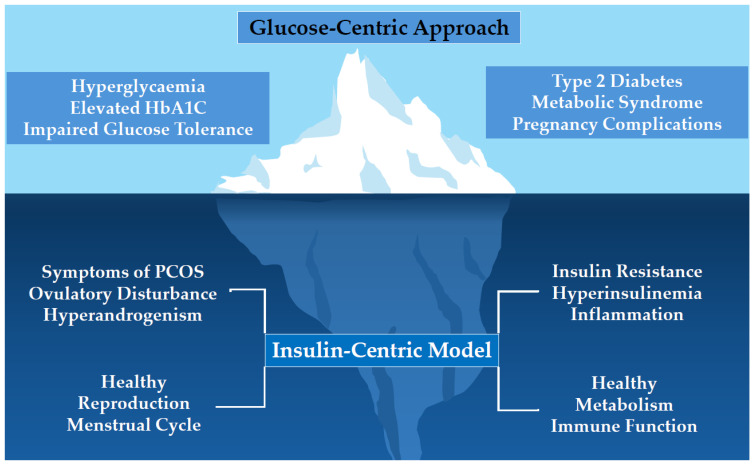
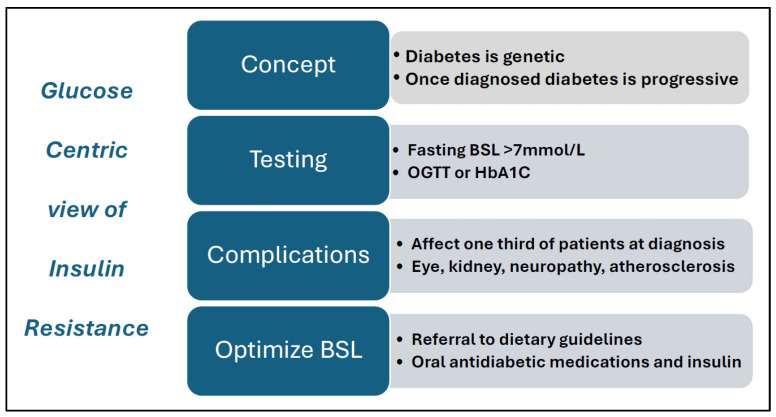
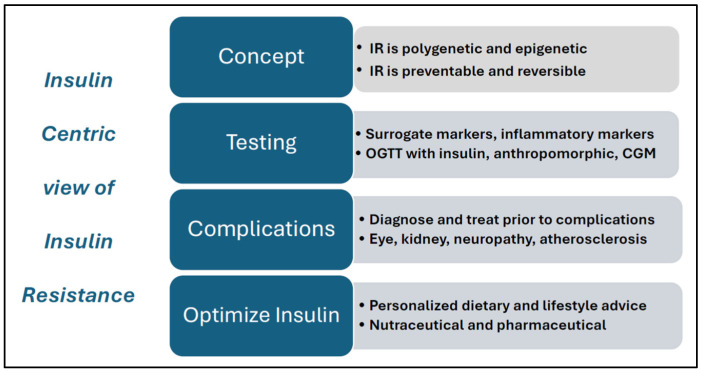
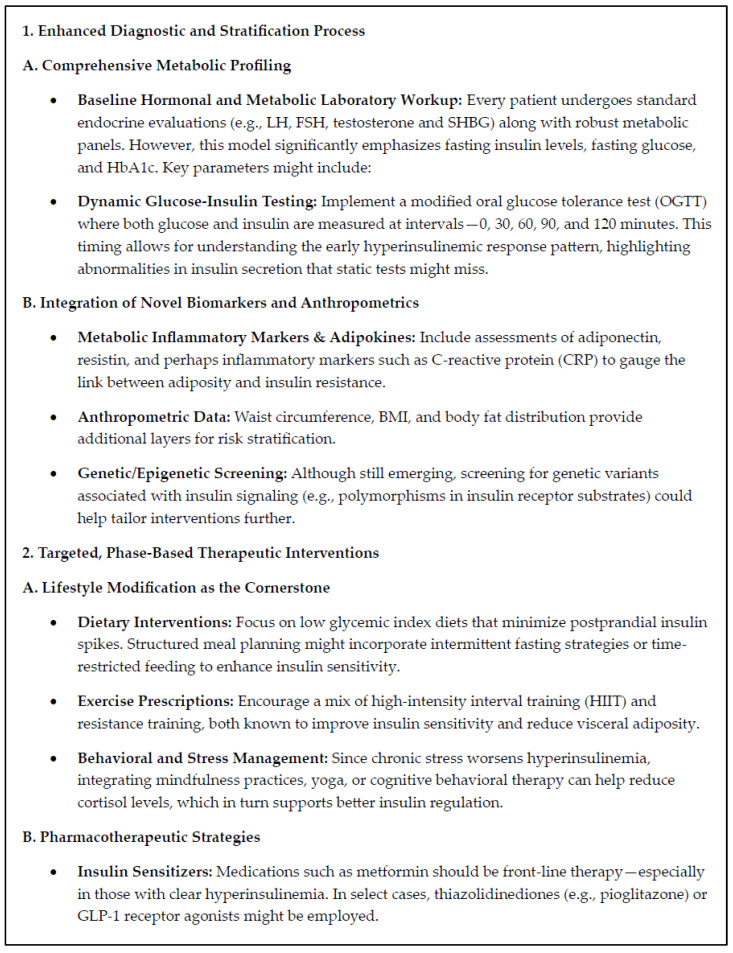
Polycystic ovary syndrome (PCOS) is a common metabolic-endocrine disorder affecting women of reproductive age, and insulin resistance (IR) is a key pathophysiological feature. Current medical education and clinical practice emphasize glucose-centric approaches in PCOS management, and IR testing is often overlooked due to limited emphasis in current clinical guidelines or the lack of standardized protocols. Additionally, the glucose-focused paradigm has been the standard of care for decades. However, this approach has led to delayed diagnosis of progressive metabolic and reproductive consequences, leaving many patients underdiagnosed and undertreated. Therefore, we propose a paradigm shift towards an insulin-centric model for PCOS management. This new approach aims to diagnose IR at an earlier stage, enabling the timely implementation of effective lifestyle and treatment strategies. By focusing on IR, clinicians can potentially limit the progression of PCOS-related reproductive and metabolic diseases. The insulin-centric model is a novel approach that involves comprehensive IR screening, dynamic insulin testing, personalized lifestyle and insulin-sensitizing interventions, and regular monitoring of insulin and glycemic parameters. This model could improve patient outcomes by facilitating early diagnosis of metabolic dysfunction and reducing the incidence of subsequent chronic disease. Furthermore, this model has broader implications, potentially transforming treatment approaches for various chronic diseases beyond PCOS.
Keywords: chronic inflammation; glucose-centric; hyperandrogenism; hyperinsulinemia; insulin; insulin resistance; insulin-centric; metabolic; polycystic ovary syndrome.
Conflict of interest statement
The authors declare no conflicts of interest.
Figures
References
Publication types
LinkOut - more resources
Full Text Sources
