


On the relative importance of attention and response selection processes for multi-component behavior - Evidence from EEG-based deep learning
- PMID: 40567309
- PMCID: PMC12172816
- DOI: 10.1016/j.ynirp.2022.100118
On the relative importance of attention and response selection processes for multi-component behavior - Evidence from EEG-based deep learning
Abstract
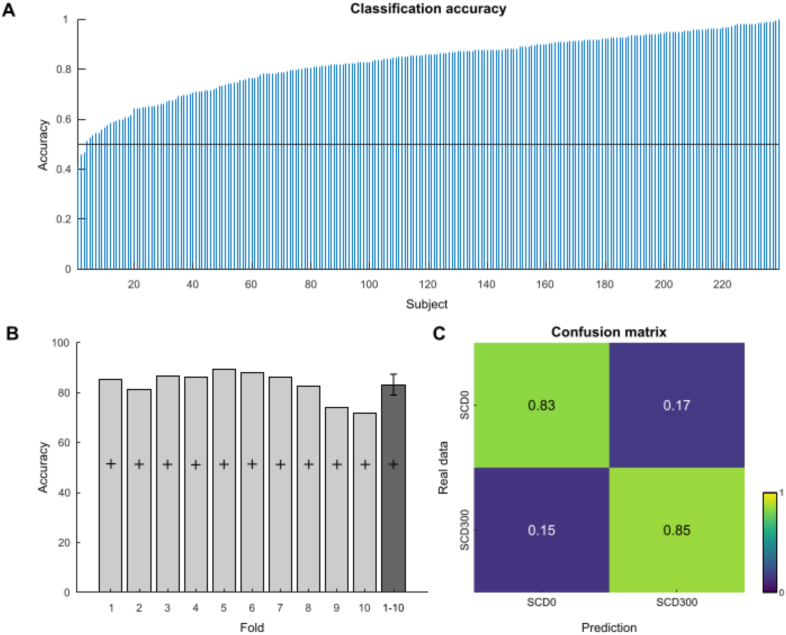
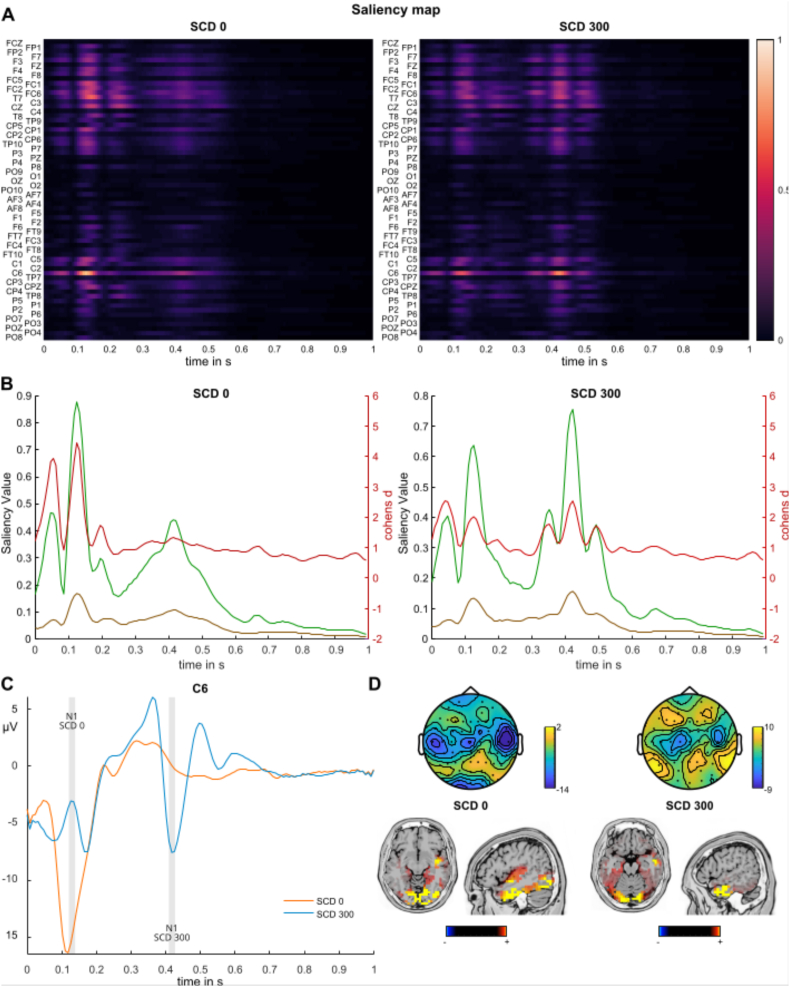
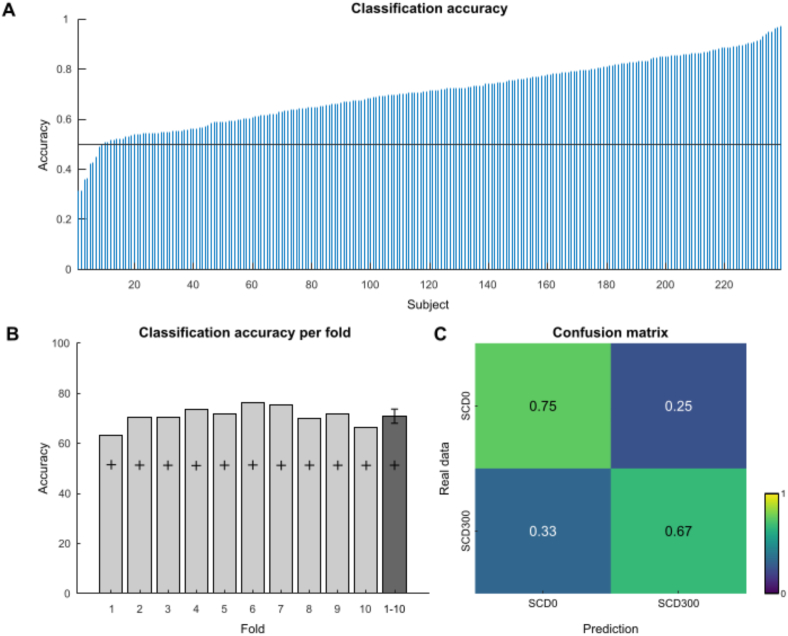
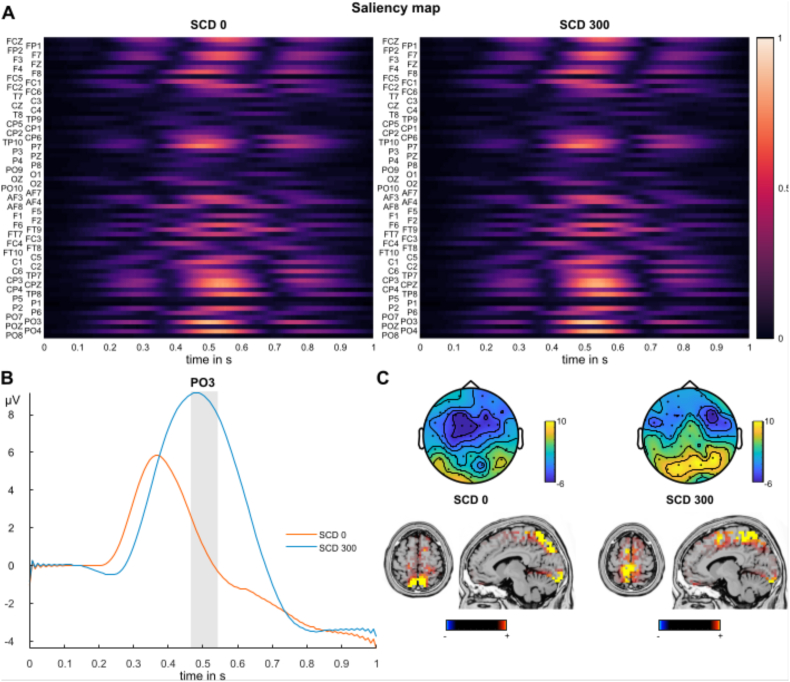
Goal-directed behavior often requires concatenating different actions to achieve a goal. The neural correlates of such multi-component behavior have extensively been investigated. However, it is still enigmatic whether it is possible to predict, using single-trial EEG data and on a single-subject level, that an individual is confronted with a situation imposing high or low demands on multi-component behavior. This study gathered data from N = 239 individuals and applied EEG-based deep learning combined with explainable artificial intelligence, temporal EEG signal decomposition, and source localization. We show that attentional selection and sensory integration processes in sensory association cortices were highly predictive with ∼86%. Processes specifying rule-based response selection and translation, associated with superior and posterior parietal cortices, were also predictive with ∼70%. This, however, was only possible when the information about sensory integration was not available for deep learning. Therefore, sensory integration processes are particularly important in the decoding of whether an individual is confronted with a situation imposing high or low demands on response selection capacity limited multi-component behavior. The results provide insights into the relative importance of various cognitive processes during complex goal-directed behavior and suggest that attentional processes are important to consider during multi-component behavior.
Keywords: Attention; Deep learning; EEG; Response selection.
© 2022 The Author(s).
Conflict of interest statement
The authors declare that they have no known competing financial interests or personal relationships that could have appeared to influence the work reported in this paper.
Figures


References
-
- Ancona M., Ceolini E., Öztireli C., Gross M. 2017. Towards Better Understanding of Gradient-Based Attribution Methods for Deep Neural Networks. arXiv:1711.06104 [cs, stat]
-
- Bashivan P., Rish I., Yeasin M., Codella N. 2015. Learning Representations from EEG with Deep Recurrent-Convolutional Neural Networks. arXiv:1511.06448 [cs]
LinkOut - more resources
Full Text Sources