


Machine Learning and Deep Learning Models for Early Sepsis Prediction: A Scoping Review
- PMID: 40567322
- PMCID: PMC12186070
- DOI: 10.5005/jp-journals-10071-24986
Machine Learning and Deep Learning Models for Early Sepsis Prediction: A Scoping Review
Abstract
Background and aims: Sepsis, a dangerous condition where infection triggers an abnormal host response, requires quick detection to save lives. While traditional detection methods often fall short, artificial intelligence (AI) and its subsets, machine learning (ML) and deep learning (DL), offer new hope. This scoping review inspects the ML and DL models that are published in the period from 2022 to 2025 for sepsis prediction using electronic health records (EHRs). It aims to provide a comprehensive update for clinicians on the proposed sepsis prediction models, features used, data processing methods, model performance and clinical integration.
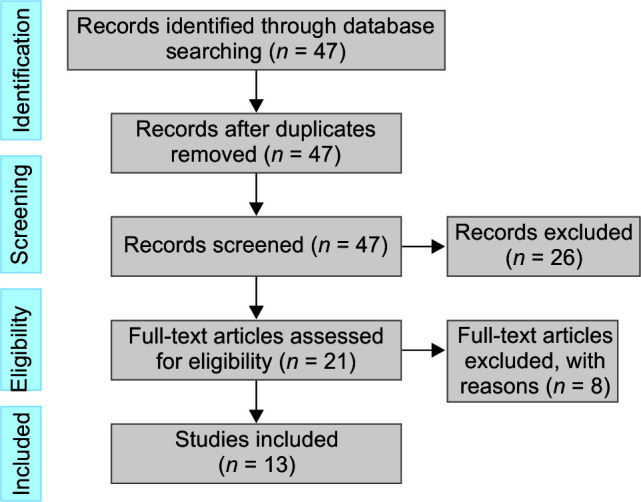
Methods: Our March 11, 2025, PubMed search identified thirteen relevant studies that developed ML or DL models for predicting adult sepsis.
Results: Most researchers used supervised ML, with some exploring DL and hybrid approaches. The models relied on standard clinical data like vital signs and laboratory results, similar to traditional scoring methods. Some models utilized demographic information and electrocardiographic (ECG) readings as features to predict sepsis. Performance metrics such as area under the receiver operating characteristic (AUROC) curve, specificity, and sensitivity showed that these ML and DL models often surpassed the ability of both human clinicians and traditional scoring systems in predicting sepsis. Notable innovations included federated learning and model integration with EHR systems and physiological sensors.
Conclusion: While AI shows promise for early sepsis detection, successful clinical adoption will require real-world testing and clear model interpretability. Future work should focus on standardizing these tools for practical medical use.
How to cite this article: Shanmugam H, Airen L, Rawat S. Machine Learning and Deep Learning Models for Early Sepsis Prediction: A Scoping Review. Indian J Crit Care Med 2025;29(6):516-524.
Keywords: Deep learning; Electronic health records; Machine learning; Sepsis prediction; Supervised machine learning.
Copyright © 2025; The Author(s).
Conflict of interest statement
Source of support: Nil Conflict of interest: NoneConflict of interest: None
Figures
References
-
- WHO . Geneva: World Health Organization; 2020. Global report on the epidemiology and burden of sepsis: current evidence, identifying gaps and future directions.
Publication types
LinkOut - more resources
Full Text Sources