


Weight-Bearing Monitoring Devices in Lower Extremity Fractures: A Scoping Review
- PMID: 40567937
- PMCID: PMC12191147
- DOI: 10.2147/ORR.S521013
Weight-Bearing Monitoring Devices in Lower Extremity Fractures: A Scoping Review
Abstract
Background: Orthopaedic surgeons commonly prescribe weight-bearing parameters for their patients for a variety of reasons. Weight-bearing may be limited in order to control the healing environment, but advancing a patient's weight-bearing status is preferably done as quickly as possible to maximize functional recovery. However, it is entirely unclear to what extent these prescriptions are followed in practice. The purpose of this scoping review is to identify and compare non-invasive devices used for the measurement of weight-bearing following lower extremity fractures.
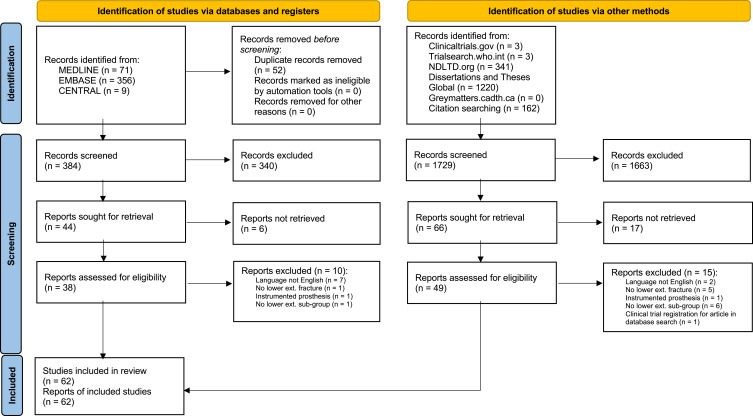
Methods: Database searches of MEDLINE, EMBASE and the Cochrane Central Register of Controlled Trials (CENTRAL) were completed to identify relevant studies. Titles were screened for relevance, and abstracts were screened against the eligibility criteria. We identified studies that investigated the use of external force, pedal pressure, or activity monitoring devices used in adults after lower extremity fractures and excluded studies involving compartment pressure measurement.
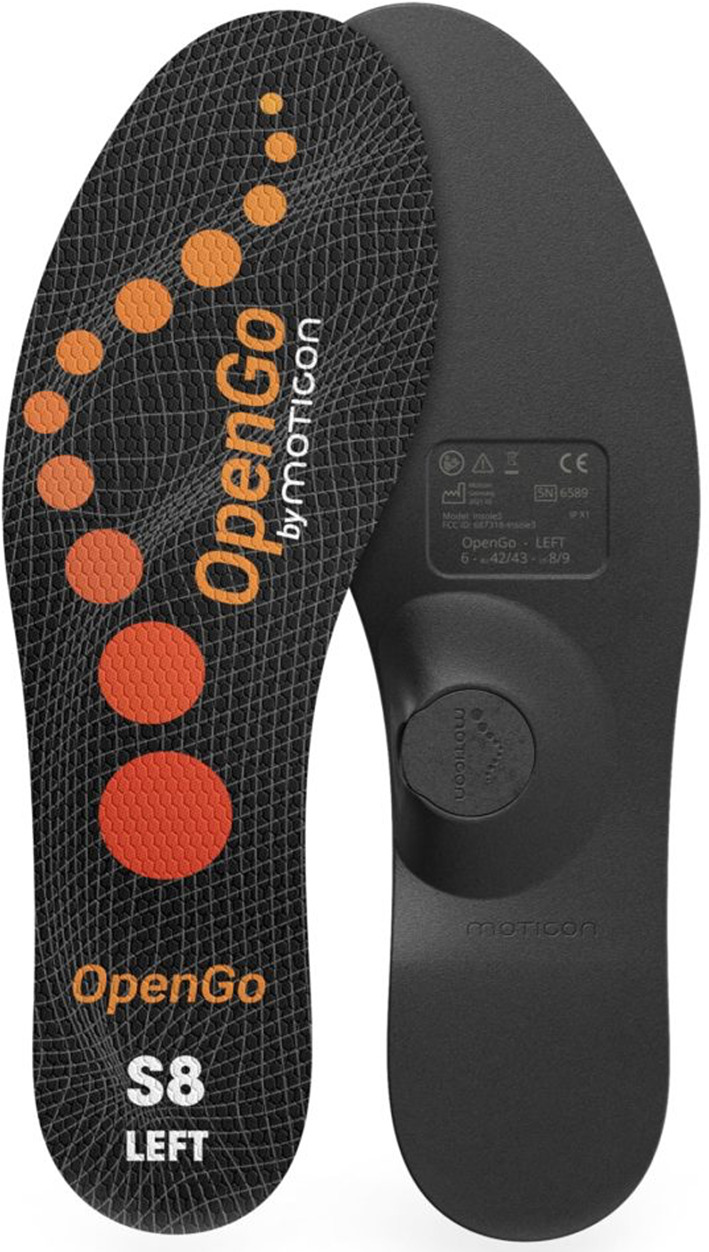
Findings: Sixty-two studies met the inclusion criteria. About 39% of studies used an insole-type device, which could be worn in a shoe or integrated into a removable boot. Other device types included step count or activity monitors (52%), force plates (18%), pressure film (2%) and external pedobarography systems (27%).
Interpretation: We found that different monitors offered varying types of measurements and are suitable for a variety of applications. Therefore, selecting the ideal device depends on the metric of interest. Further high-quality prospective studies utilizing device monitoring are needed to validate the theory that early weight-bearing is beneficial and safe for patients with lower extremity fractures.
Keywords: fracture; lower extremity; monitoring; trauma; weight-bearing.
© 2025 Robinson et al.
Conflict of interest statement
The authors have no financial or non-financial competing interests to report, including but not limited to employment with the study sponsor, stock holdings or options, patents, royalties, personal fees, holding a board position, or any political, religious, or academic interest relevant to the published content.
Figures
References
-
- Buckley RE, Moran CG, Apivatthakakul T. AO Principles of Fracture Management. AO Foundation; 2017.
Publication types
LinkOut - more resources
Full Text Sources
Miscellaneous
