


Synergetic effects of Ulva lactuca and Pterocladiella capillacea on the multidrug-resistant Klebsiella pneumoniae
- PMID: 40571941
- PMCID: PMC12199523
- DOI: 10.1186/s12866-025-04102-4
Synergetic effects of Ulva lactuca and Pterocladiella capillacea on the multidrug-resistant Klebsiella pneumoniae
Abstract
Background: The potential of marine algae as a source of antibacterial chemicals has been very promising. Numerous bioactive compounds produced by these organisms can fight off harmful microorganisms. Two marine algae (Chlorophyta: Ulva lactuca, Rhodophyta: Pterocladiella capillacea) were screened for their antibacterial activity against distinct multidrug-resistant bacteria Klebsiella pneumoniae. This efficiency is ascribed to the bioactive substances found in these algae, which have the ability to stop the growth of this harmful bacteria. Pterocladiella capillacea is a viable target for the development of novel antibacterial medications since its chemicals function by interfering with bacterial processes.
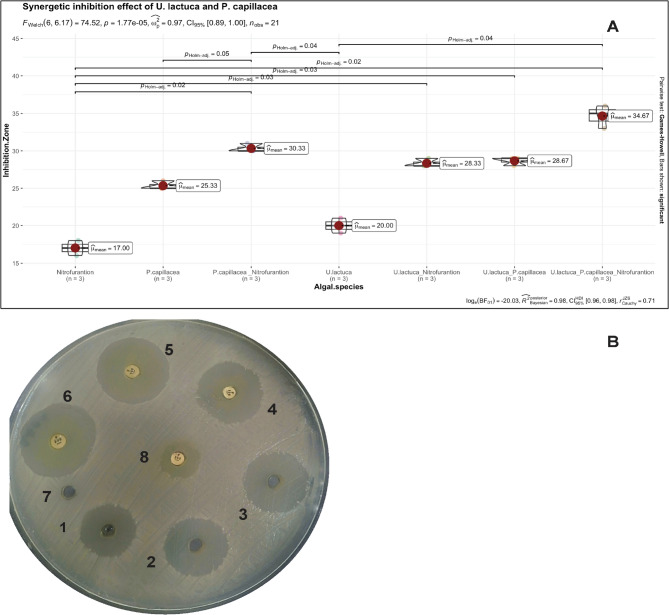
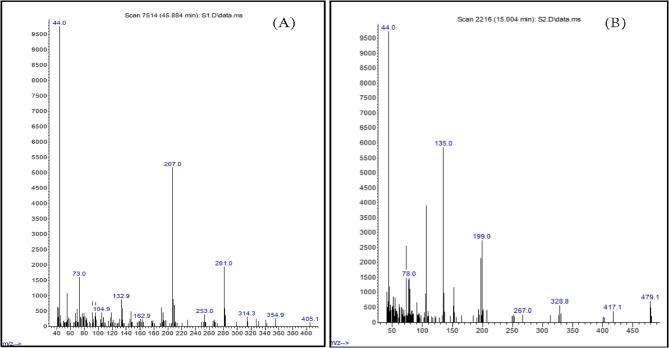
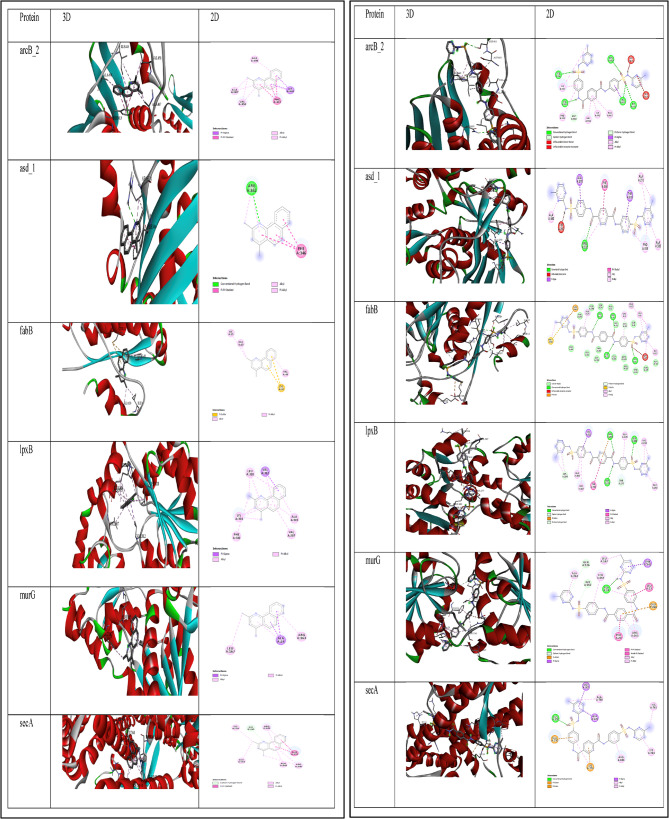
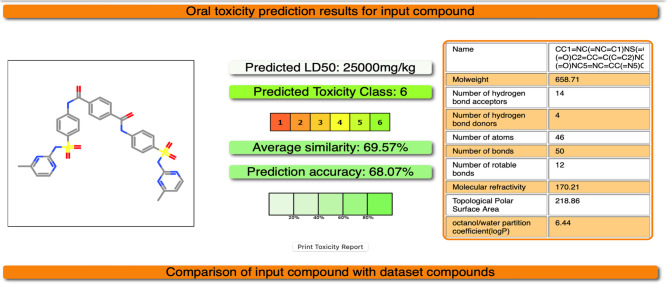
Results: A mixture of (U. lactuca + P. capillacea. + Nitrofurantoin) increased the inhibition zone on K. pneumoniae by 100%. Our docking findings demonstrated that benzo[h]quinoline, 2, 4-dimethyl-, and 4, 4'-Bis [4-methyl-2-pyrimidylsulfamido] terephthalanilide have a high affinity (-10 and - 11 respectively) to dock with the cell wall proteins of Klebsiella pneumoniae. It can cause cell lysis and death by interfering with the integrity of bacterial cell walls. Furthermore, it may disrupt DNA replication and vital bacterial enzymes. The molecule 4, 4'-Bis [4-methyl-2-pyrimidylsulfamido] terephthalanilide is a member of the sulfonamide class, which is well-known for its broad-spectrum antibacterial properties. This compound's capacity to prevent bacteria from synthesizing folic acid is the main source of its antibacterial action. Bacterial cell division and DNA synthesis depend on folic acid. The substance successfully stops bacterial growth and multiplication by blocking this pathway.
Conclusion: These two substances are interesting candidates for the development of novel antimicrobial drugs due to their efficacy against strains of bacteria that are resistant to antibiotics.
Keywords: Klebsiella pneumoniae; Pterocladiella capillacea; Ulva lactuca; Drug resistant; Synergetic effects.
© 2025. The Author(s).
Conflict of interest statement
Declarations. Ethics approval and consent to participate: All patients signed informed consent. The study was carried out following the Helsinki Declaration, and was approved by Fayoum University Supreme Committee for Science Research Ethics (FU-SCSRE) with proposal code number: EC 2496. Consent for publication: Not applicable. Competing interests: The authors declare no competing interests.
Figures
References
-
- Levin S. The crisis in antibiotic resistance. Infect Dis Clin Pract. 1993;2(1):53.
-
- Hameed A, Naveed S, Qamar F, Alam T, Abbas S, Sharif N. Irrational use of antibiotics. Different Age Groups of Karachi: a wakeup call for antibiotic resistance and future infections. J Bioequiv Availab. 2016;8(1):242–5.
MeSH terms
Substances
Supplementary concepts
LinkOut - more resources
Full Text Sources
Medical
Miscellaneous
