


Role of Pharmacology in Dentistry: A Review of Analgesics, Antibiotics, and Local Anesthetics
- PMID: 40575192
- PMCID: PMC12199689
- DOI: 10.7759/cureus.84889
Role of Pharmacology in Dentistry: A Review of Analgesics, Antibiotics, and Local Anesthetics
Abstract
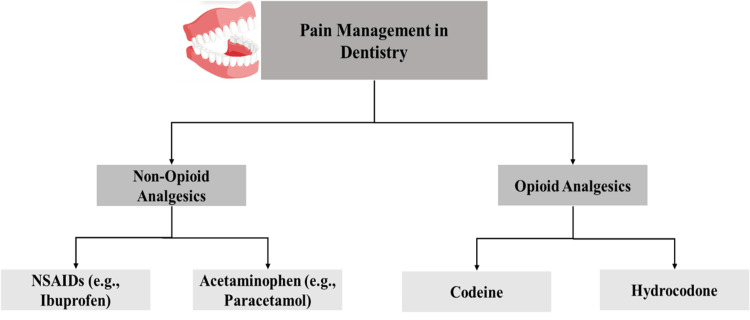
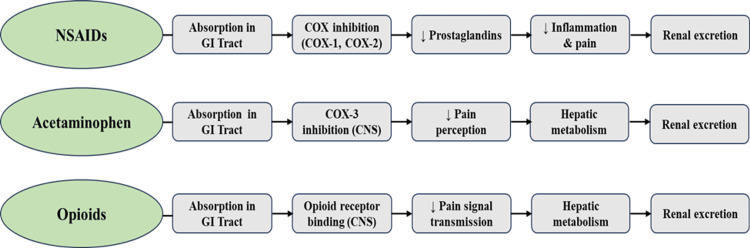
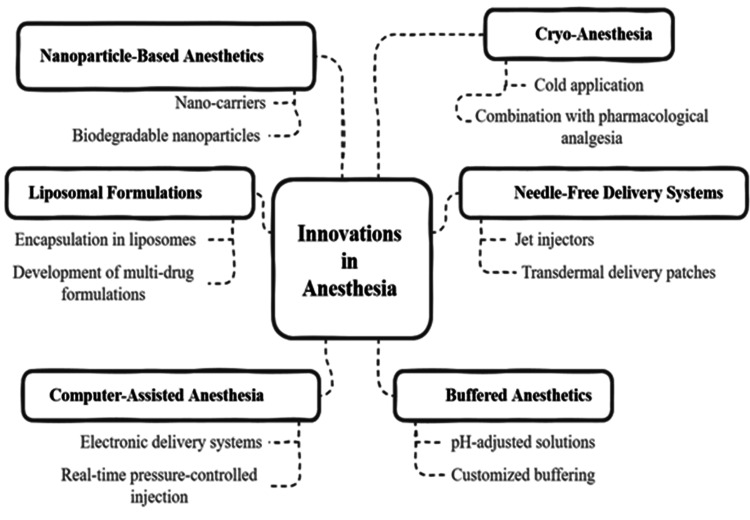
This review explores the essential role of pharmacology in dentistry, emphasizing the use of analgesics, antibiotics, and local anesthetics in managing pain, controlling infections, and ensuring procedural comfort. The integration of these pharmacological agents has significantly advanced dental care, allowing for more effective and patient-friendly treatments. Nonsteroidal anti-inflammatory drugs (NSAIDs) and acetaminophen serve as the primary analgesics, while opioids, despite their efficacy in severe cases, require careful prescribing due to their high risk of dependency and adverse effects. Antibiotics are indispensable for treating odontogenic infections and preventing systemic complications, yet their overuse has contributed to the global challenge of antimicrobial resistance, necessitating stringent antibiotic stewardship in dental practice. Local anesthetics, particularly lidocaine and articaine, have revolutionized pain-free dentistry, with advancements such as liposomal formulations, buffered anesthetics, and computer-assisted anesthesia enhancing their effectiveness and safety. Despite these innovations, challenges such as opioid dependency, antibiotic resistance, and individual variability in anesthetic response underscore the need for personalized pharmacotherapy. Emerging research in pharmacogenomics and novel drug delivery systems holds promise for optimizing treatment outcomes by tailoring pharmacological interventions to individual patient profiles. Future directions should focus on integrating precision medicine, improving antimicrobial strategies, and developing safer, more efficient anesthetic techniques. By incorporating evidence-based prescribing practices and adopting innovative pharmacological approaches, dentistry can continue to evolve toward safer, more effective, and patient-centered care.
Keywords: analgesics; antibiotics; antimicrobial resistance; dental pharmacology; local anesthetics; pain management.
Copyright © 2025, Datta et al.
Conflict of interest statement
Conflicts of interest: In compliance with the ICMJE uniform disclosure form, all authors declare the following: Payment/services info: All authors have declared that no financial support was received from any organization for the submitted work. Financial relationships: All authors have declared that they have no financial relationships at present or within the previous three years with any organizations that might have an interest in the submitted work. Other relationships: All authors have declared that there are no other relationships or activities that could appear to have influenced the submitted work.
Figures
References
Publication types
LinkOut - more resources
Full Text Sources