


Intracranial Recordings in Epilepsy: an Approach to Understanding the Neural Mechanisms of Social Cognition
- PMID: 40580385
- PMCID: PMC12206193
- DOI: 10.1007/s11910-025-01431-9
Intracranial Recordings in Epilepsy: an Approach to Understanding the Neural Mechanisms of Social Cognition
Abstract
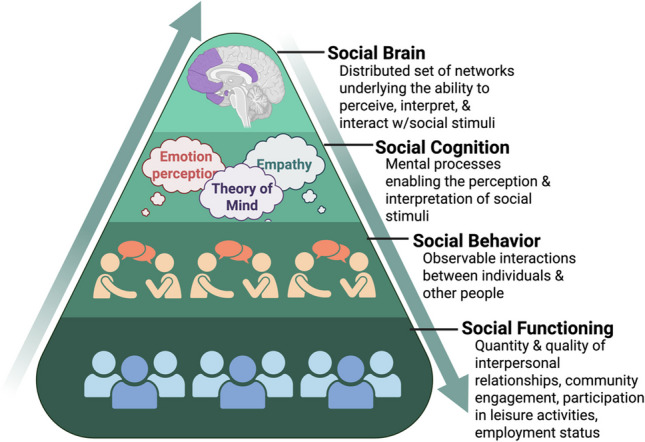
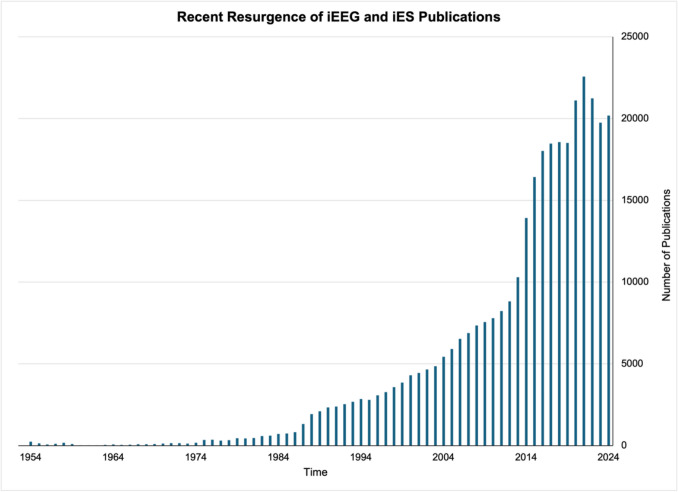
Purpose of review: Social cognition, especially theory of mind (ToM), is often impaired in clinical populations including epilepsy, with serious consequences for quality of life. This review synthesizes evidence from clinical assessments, neuroimaging, and intracranial recording techniques to examine how social cognitive processes are represented in the human brain and how they may be disrupted in epilepsy. Emphasis is placed on the emerging contributions of intracranial electroencephalography (iEEG) and intracranial electrical stimulation (iES) to this field.
Recent findings: While the literature using iEEG/iES to investigate social cognition remains limited, recent studies have begun to map the spatiotemporal and causal underpinnings of ToM and related functions. This work complements behavioral and fMRI findings and suggests avenues for translational research. Intracranial techniques represent a promising tool for advancing social cognitive neuroscience. Integrating this approach with clinical data and established behavioral paradigms can enhance our understanding of social cognition and improve care for populations with focal epilepsy.
Keywords: Brain mapping; Direct electrical stimulation; Epilepsy; Intracranial EEG; Social cognition; Theory of mind.
© 2025. The Author(s).
Conflict of interest statement
Declarations. Human and Animal Rights: This article does not contain any studies with human or animal subjects performed by any of the authors. Competing Interests: K.D. and R.K. have no competing interest. J.S. discloses the following: Funding: NIH, NSF, DoD, Shor Foundation for Epilepsy Research, UCB Biosciences, NeuroPace Inc., SAGE Therapeutics Inc., Serina Therapeutics Inc., LivaNova Inc., Greenwich Biosciences Inc., Biogen Inc., Eisai Inc., State of AL Consulting/Advisory Boards: PureTech Health, Biopharmaceutical Research Company, LivaNova Inc., UCB Pharma, AdCel Pharma, iFovea Inc. Editor-in-Chief, Epilepsy & Behavior Reports (paid) Editorial board member for Epilepsy & Behavior, Journal of Epileptology (associate editor), Journal of Medical Science, and Folia Medica Copernicana. Dr. Szaflarski has served on the Alabama Medical Cannabis Commission (2021–2024; nominated by Dr. Scott Harris, State Health Officer).
Figures
References
Publication types
MeSH terms
Grants and funding
LinkOut - more resources
Full Text Sources
Medical
Research Materials
