


Evaluation of In Vitro Pharmacological Activities and HRLC-MS Based Profiling of Phlogacanthus jenkinsii C. B. Clarke
- PMID: 40589478
- PMCID: PMC12177568
- DOI: 10.3831/KPI.2025.28.2.116
Evaluation of In Vitro Pharmacological Activities and HRLC-MS Based Profiling of Phlogacanthus jenkinsii C. B. Clarke
Abstract
Objectives: Phlogacanthus jenkinsii is an ethnomedicinal plant used by the people of the North East Region of India to manage various health issues including diabetes and rheumatism. The present study examines the total phenolic and flavonoid content, in vitro pharmacological evaluation of the plant extract/fractions, and phytochemical characterization using HRLC-MS.
Methods: Ethanol extract of Phlogacanthus jenkinsii leaves (PJEE) and its fractions were estimated for total phenolic and flavonoid content following the Folin-Ciocalteu and aluminium chloride method. DPPH (2,2-diphenyl-1-picrylhydrazyl) and NO (nitric oxide) scavenging methods were utilized for evaluating antioxidant properties; albumin denaturation and proteinase inhibitory assay methods for assessing antiinflammatory potential. Additionally, extract/fractions were evaluated for their antidiabetic potential using α-glucosidase and α-amylase inhibition assays. HRLC-MS was employed for phytochemical profiling of the ethyl acetate fraction (PJEAF).
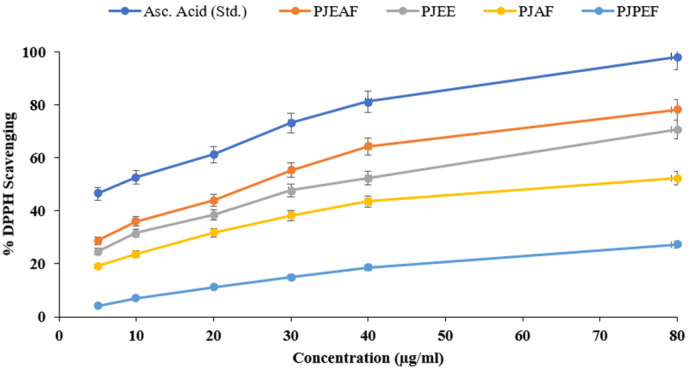
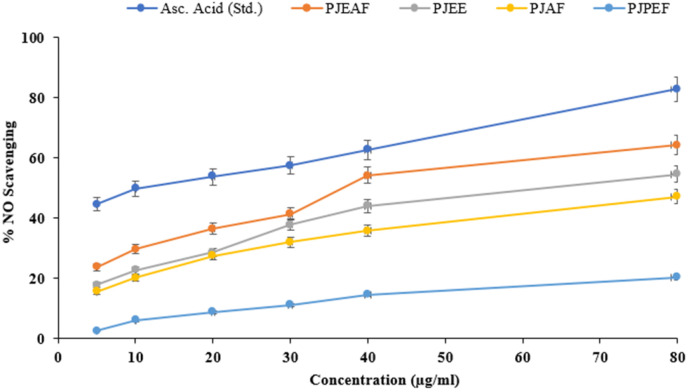
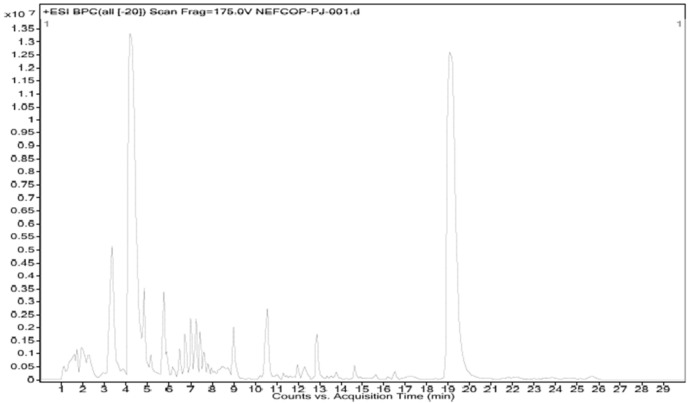
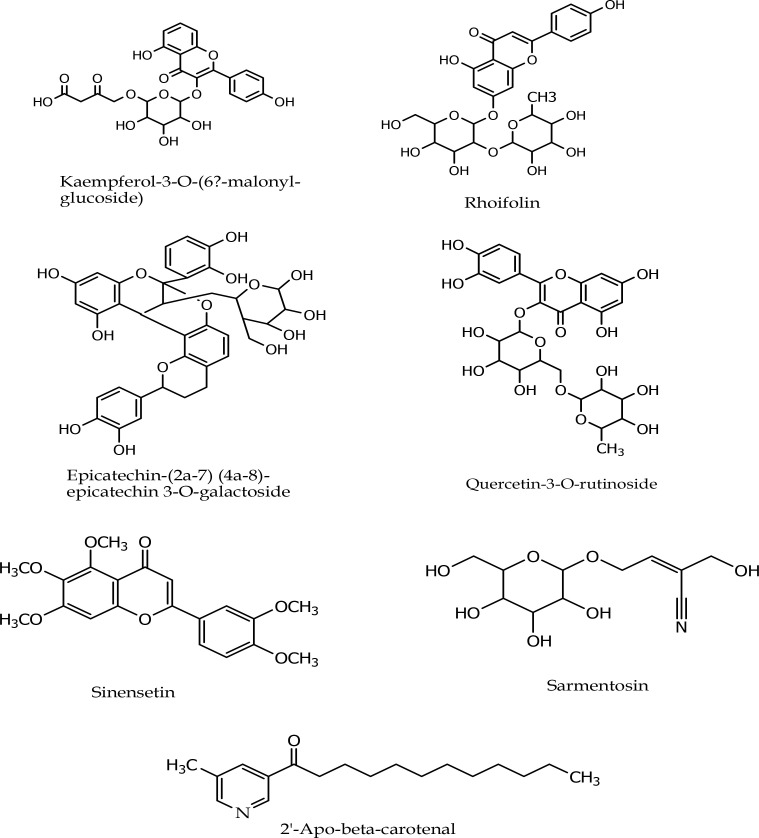
Results: PJEAF contains the highest total phenolic (48.3 ± 0.64 mg GAE/g) and total flavonoid (22.6 ± 0.09 mg QE/g) content. PJEAF scavenges DPPH radical (IC50 = 29.1 ± 0.25 µg/mL) and NO radical (IC50 = 46.6 ± 0.20 µg/mL) potently. PJEAF also exhibited potent antiinflammatory potential with IC50 of 220.8 ± 1.33 and 231.5 ± 1.25 µg/mL against albumin denaturation and protease inhibition assay, respectively. PJEAF had potent inhibition of α-amylase and α-glucosidase enzymes, with IC50 values of 205.9 ± 1.12 and 132.2 ± 0.65 µg/mL, respectively. The HRLC-MS profiling of PJEAF indicated the presence of forty-three phytoconstituents, including 2'-Apo-beta-carotenal, Sinensetin, Kaempferol-3-o-(6"-malonyl-glucoside), Heliannone B, Rhoifolin, Quercetin-3-o-rutinoside.
Conclusion: These findings indicated that Phlogacanthus jenkinsii possesses significant antioxidant, antiinflammatory, and antidiabetic potential, and presence of possible metabolites also makes the plant an important source of drug development and therapeutic applications.
Keywords: HRLC-MS; Phlogacanthus jenkinsii; anti-inflammatory; antidiabetic; antioxidant.
© 2025 Korean Pharmacopuncture Institute.
Conflict of interest statement
CONFLICTS OF INTEREST The authors declare no competing financial interest.
Figures
References
-
- Srivastava J, Lambert J, Vietmeyer N. Medicinal plants: an expanding role in development. World Bank; Washington: 1996. - DOI
-
- Truong DH, Luu TN, Huynh NTA, Ngo NH, Le VS, Nguyen QH, et al. Phlogacanthus cornutus: chemical profiles and antioxidant effects. Plant Sci Today. 2023;10(1):266–71. doi: 10.14719/pst.2063. - DOI
-
- Phurailatpam AK, Singh SR, Chanu TM, Ngangbam P. Phlogacanthus - an important medicinal plant of North East India: a review. Afr J Agric Res. 2014;9(26):2068–72. doi: 10.5897/AJAR2013.8134. - DOI
-
- Laitonjam WS, Yumnam R, Asem SD, Wangkheirakpam SD. Evaluative and comparative study of biochemical, trace elements and antioxidant activity of Phlogacanthus pubinervius T. Anderson and Phlogacanthus jenkinsii C. B. Clarke leaves. Indian J Nat Prod Resour. 2013;4(1):67–72.
-
- Maity R, Sawmliana M, Dash SS. Rediscovery of Phlogacanthus jenkinsii (Acanthaceae) from India after 140 years. Phytotaxa. 2022;573(2):286–92. doi: 10.11646/phytotaxa.573.2.8. - DOI
LinkOut - more resources
Full Text Sources