


Cold environment regulates ischemic stroke through modulation of gut microbiota
- PMID: 40593111
- PMCID: PMC12215347
- DOI: 10.1038/s41598-025-07614-1
Cold environment regulates ischemic stroke through modulation of gut microbiota
Abstract
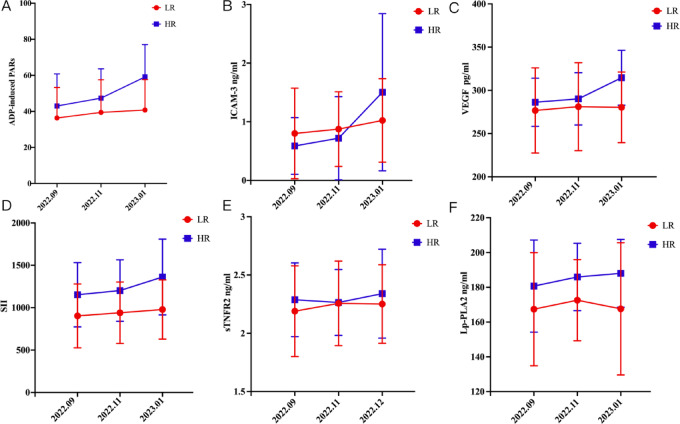
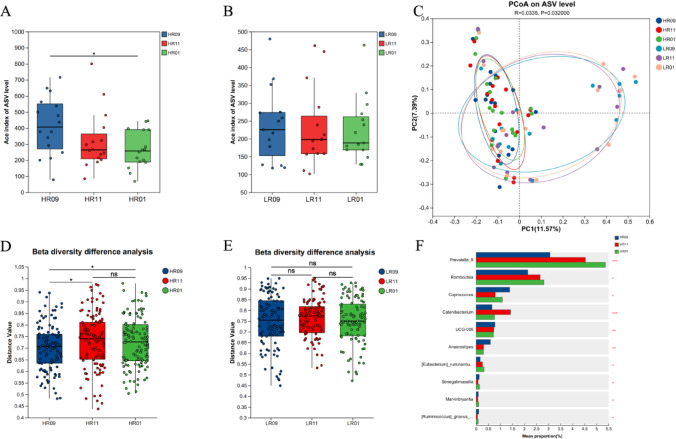
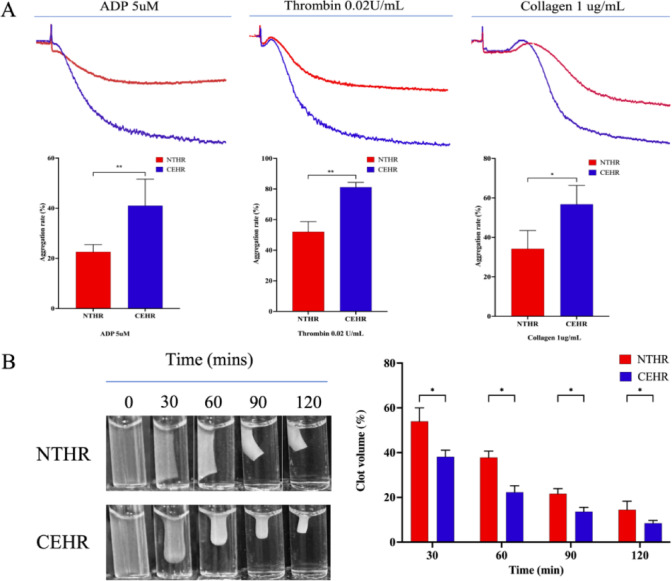
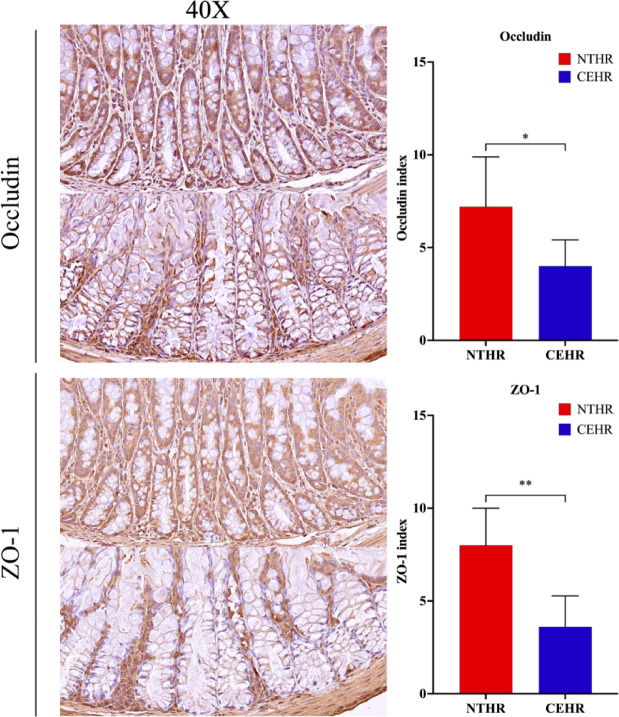
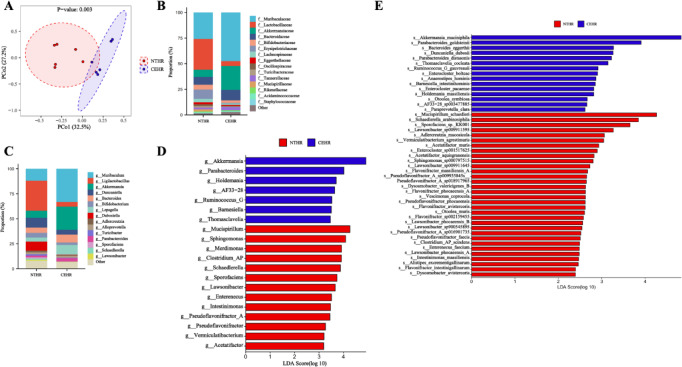
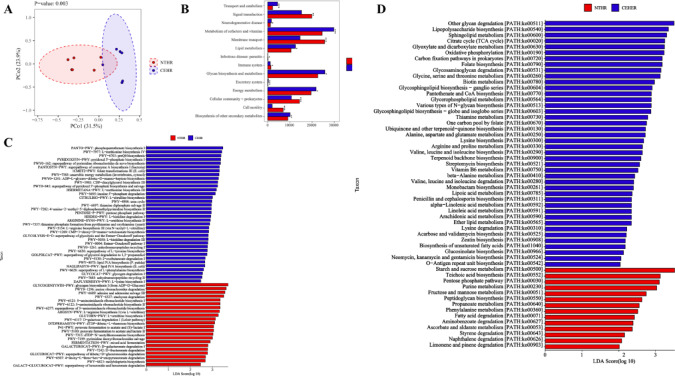
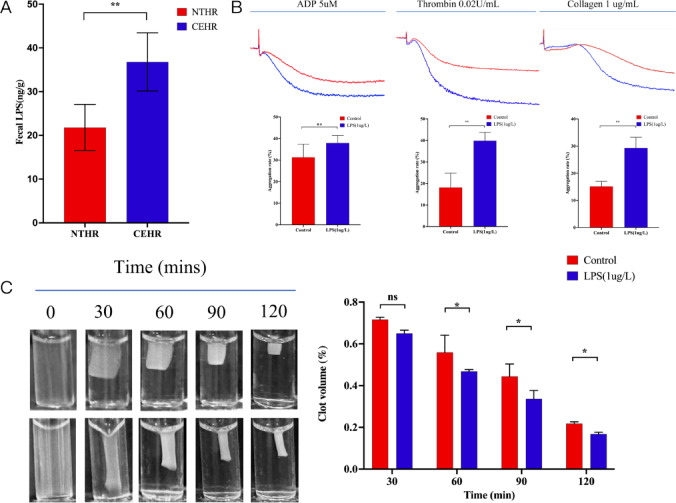
Many diseases are influenced by environmental temperature, and recent studies have confirmed that cold exposure increases the risk of conditions such as ischemic stroke (IS). However, direct evidence supporting this hypothesis is lacking, and the molecular mechanisms through which cold exposure affects IS remain unclear. In this study, we found that chronic cold exposure increased platelet aggregation and the levels of certain inflammatory factors in high-risk stroke patients (HR), thereby increasing the risk of IS. Furthermore, before and after a cold wave, we observed gut microbiota dysbiosis in the HR group, including reduced relative abundance differences in Lachnospiraceae and Ruminococcaceae. The relative abundances of the Prevotella_9 and Catenibacterium genera increased, whereas that of Anaerostipes decreased. Notably, the results of fecal microbiota transplantation (FMT) indicated that cold-adapted microbiota transplantation partially replicated the microbiota characteristics of each donor subject and replicated the effects of cold exposure in C57BL/6J mice. Cold exposure impaired intestinal barrier function and interfered with microbial functions, such as increased lipid metabolism and LPS production, particularly by increasing the levels of TMAO derived from the gut microbiota. Our findings identify the significant role of abnormal gut microbiota-derived metabolites in cold exposure-related IS and highlight the potential opportunity to prevent or treat cold-related IS through the modulation of the gut microbiota.
Keywords: Cold temperature; Ischemic stroke; Microbiota; TMAO.
© 2025. The Author(s).
Conflict of interest statement
Declarations. Competing interest: The authors declare no competing interests. Ethical approval: This study was approved by the Ethics Committee of the Second Hospital of Tianjin Medical University (Approval No. KS20220901). This study follows the relevant guidelines and regulations (), and all experiments were conducted under conditions that comply with ethical requirements.
Figures
References
-
- Morrison, S. F. & Nakamura, K. Central mechanisms for thermoregulation. Annu. Rev. Physiol.81, 285–308. 10.1146/annurev-physiol-020518-114546 (2019). - PubMed
MeSH terms
Substances
Grants and funding
LinkOut - more resources
Full Text Sources
Medical
