Comparing the metabolomic landscape of polycystic ovary syndrome within urban and rural environments
- PMID: 40593337
- PMCID: PMC12214864
- DOI: 10.1038/s43856-025-00985-6
Comparing the metabolomic landscape of polycystic ovary syndrome within urban and rural environments
Abstract
Background: Polycystic Ovary Syndrome (PCOS) affects up to 10% of women of reproductive age, characterized by hormonal imbalances and metabolic complications. Environmental factors potentially influence the biochemical expression of this condition. This study aims to examine the impact of urban versus rural environments on metabolite profiles in women with PCOS.
Methods: Thirty women aged between 18 and 40, diagnosed with PCOS according to the Rotterdam 2003 criteria, were recruited from June 2022 to May 2023, 16 from urban settings and 14 from rural settings. Serum samples were analyzed using liquid chromatography-tandem mass spectrometry. Principal component analysis and orthogonal partial least squares discriminant analysis were performed to identify metabolic patterns and differences between the two groups.
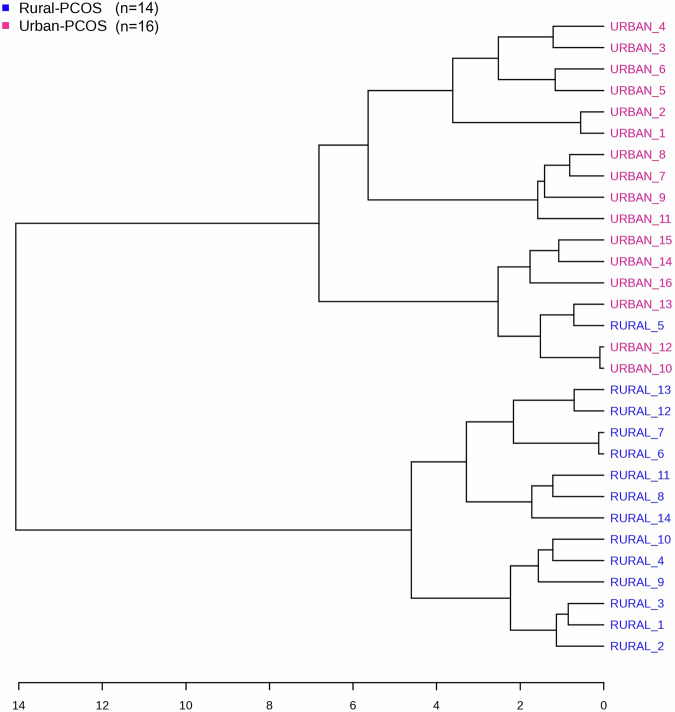
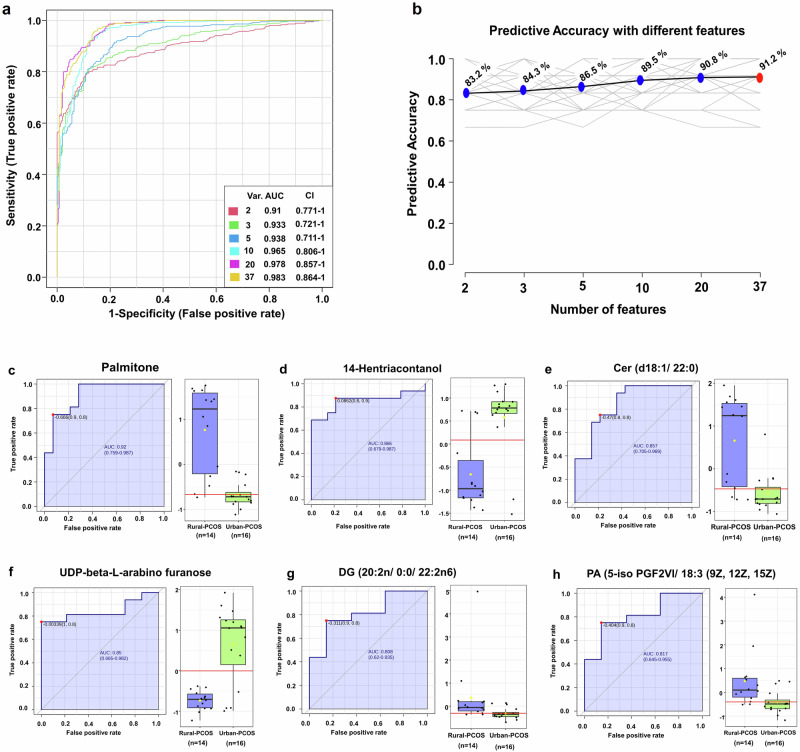
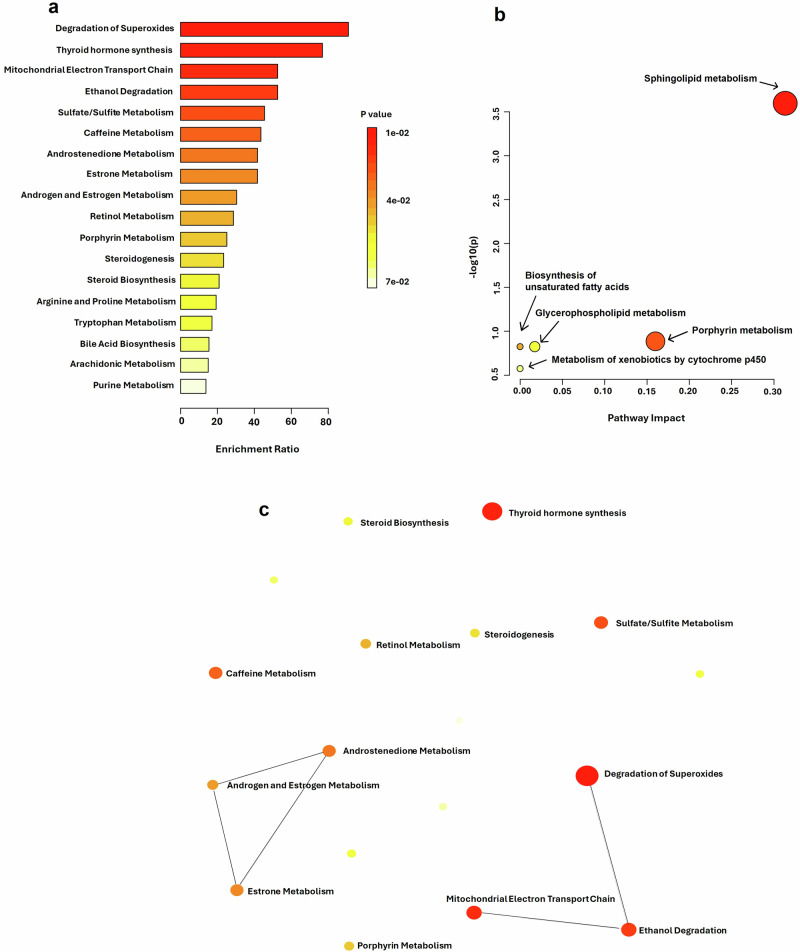
Results: This study reveals significant differences in metabolite profiles between women with PCOS from various environmental backgrounds. Rural participants exhibit higher levels of lipid-related metabolites, especially Palmitone, indicating specific dietary influences. Urban participants show distinct changes in carbohydrate and nucleotide metabolism pathways, likely due to processed food consumption. Multivariate analyses demonstrate a clear separation between the groups, emphasizing the environmental impact on PCOS expression.
Conclusions: This research highlights potential environment-related biomarkers for PCOS, emphasizing the importance of developing tailored treatment strategies considering environmental factors. The distinct metabolic profiles observed between urban and rural women provide new insights into the syndrome's complex mechanisms, indicating that environmental influences play a critical role in its biochemical expression and may affect its clinical manifestations.
Plain language summary
Polycystic Ovary Syndrome (PCOS) is a common condition affecting women’s hormones and metabolism. This study examines how living in a city or rural area affects PCOS. Researchers studied 30 women with PCOS from urban and rural India. They found that rural women had higher levels of certain fats, while urban women had changes in sugar and energy metabolism, likely due to diet. These differences were confirmed using advanced data analysis. The findings show that environment and lifestyle may impact PCOS and its symptoms. Understanding these differences can help doctors create better more personalized treatments for women with PCOS based on where they live and what they eat.
© 2025. The Author(s).
Conflict of interest statement
Competing interests: The authors declare no competing interests.
Figures
References
-
- Bozdag, G., Mumusoglu, S., Zengin, D., Karabulut, E. & Yildiz, B. O. The prevalence and phenotypic features of polycystic ovary syndrome: a systematic review and meta-Analysis. Hum. Reprod.31, 2841–2855 (2016). - PubMed
-
- Goodarzi, M. O., Dumesic, D. A., Chazenbalk, G. & Azziz, R. Polycystic ovary syndrome: etiology, pathogenesis and diagnosis. Nat. Rev. Endocrinol.7, 219–231 (2011). - PubMed
-
- Patel, J., Chaudhary, H., Panchal, S., Parekh, B. & Joshi, R. Connecting Bisphenol A exposure to PCOS: findings from a case-control investigation. Reprod. Sci. 10.1007/s43032-024-01548-1 (2024). - PubMed
LinkOut - more resources
Full Text Sources