


Evaluating the effectiveness of a novel cost-effective aerosol containment chamber for high-risk autopsies: a pilot study
- PMID: 40594082
- PMCID: PMC12214679
- DOI: 10.1038/s41598-025-05271-y
Evaluating the effectiveness of a novel cost-effective aerosol containment chamber for high-risk autopsies: a pilot study
Abstract
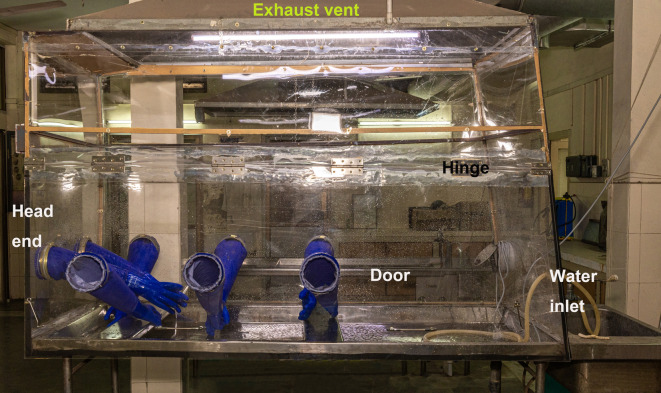
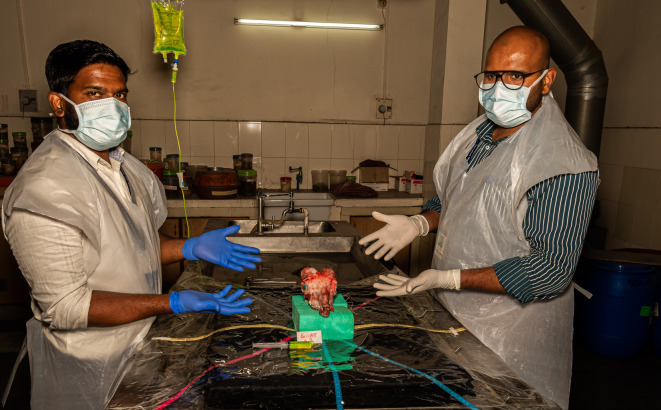
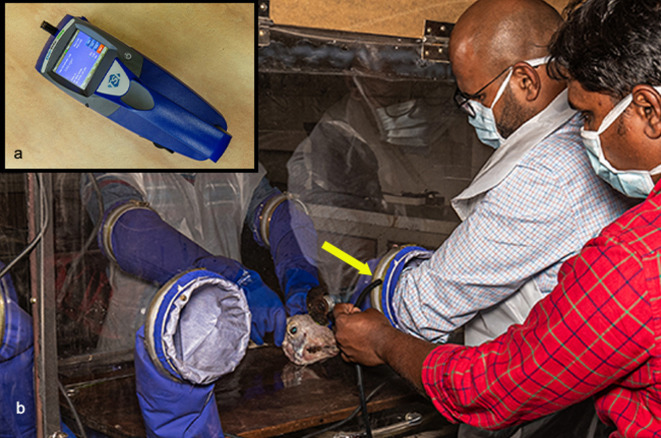
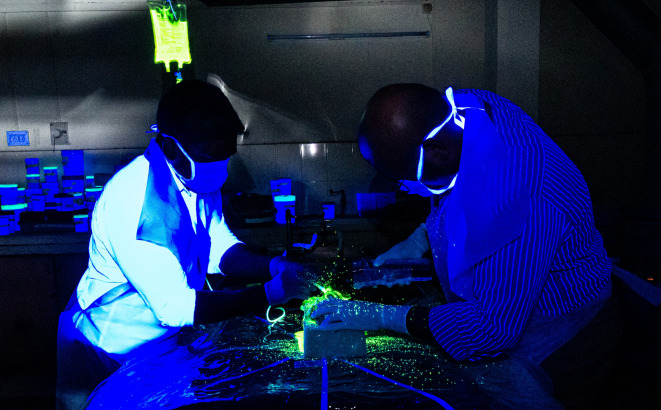
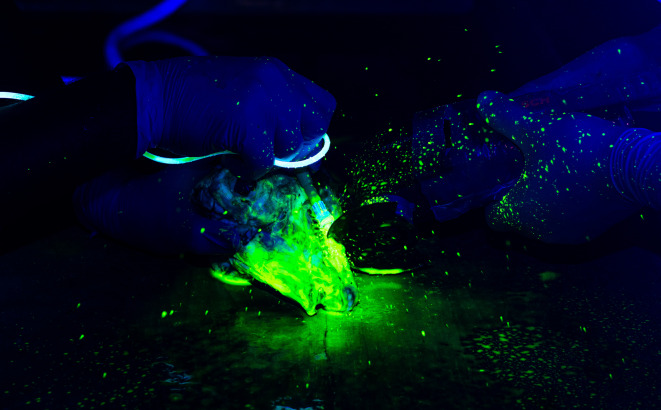
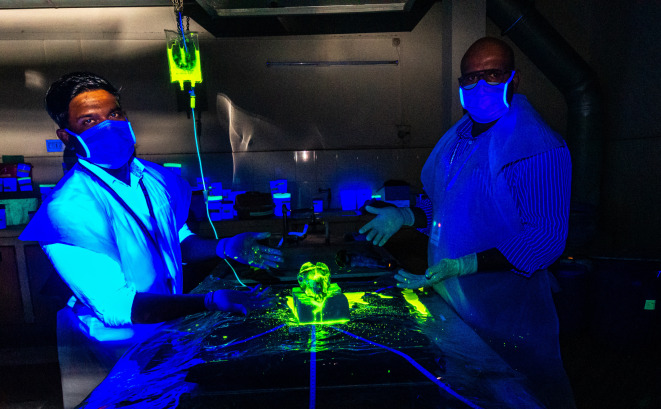
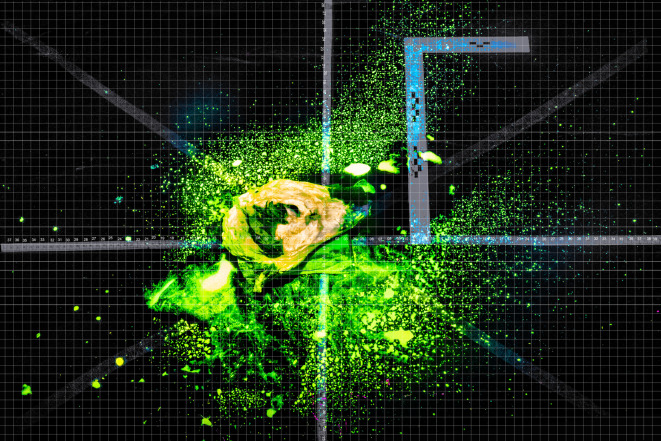
Autopsy personnel face substantial occupational risks from exposure to infectious agents, particularly during aerosol-generating procedures like bone sawing. The COVID-19 pandemic highlighted these dangers, underscoring the need for innovative safety solutions in resource-limited settings without negative-pressure autopsy suites. To address this, we developed a Low-Cost Infection Containment Chamber (LCICC)-a full-length, transparent, and impermeable structure designed to contain aerosols during high-risk autopsy procedures. This study evaluated the efficacy of LCICC using goat skulls to simulate aerosol generation during sawing. Aerosol densities were measured under both open-air conditions and with LCICC use, employing fluorescein dye for visualization and particle counter for quantification. Statistical analysis confirmed the chamber's effectiveness in reducing occupational exposure. LCICC demonstrated a substantial reduction in aerosol levels, ranging from 85.96 to 88.38% across all particle sizes. Median aerosol densities were consistently recorded at 10.50 mg/m³ with LCICC use, compared to 74.80 to 90.40 mg/m³ in open-air conditions. LCICC's affordability, ease of assembly, and reliable performance position it as a groundbreaking tool for protecting healthcare workers, particularly in low-resource settings. This innovation addresses critical gaps in autopsy safety protocols, offering a practical solution to mitigate risks associated with infectious aerosols while advancing occupational health standards in forensic pathology.
Keywords: Aerosol containment; Autopsy safety; COVID-19; Infection control; Infectious diseases; Occupational health.
© 2025. The Author(s).
Conflict of interest statement
Declarations. Ethics approval and consent to participate: Approval was obtained from the Institutional Review Board and Ethics Committee of Christian Medical College Vellore, Tamil Nadu, India [IRB Min. No. 13486]. Goat heads used for the simulation of autopsy procedures were ethically procured using funds provided by the institutional fluid grant. Consent for publication: The authors affirm that all personnel provided informed consent for the publication of the images in Figure Nos. 2, 3, 4, and 6. Competing interests: The authors declare no competing interests.
Figures
References
-
- Green, F. H. Y. & Yoshida, K. Characteristics of aerosols generated during autopsy procedures and their potential role as carriers of infectious agents. Appl. Occup. Environ. Hyg.5 (12), 853–858. 10.1080/1047322X.1990.10387806 (1990). - DOI
-
- James, R. I. et al. Death in the time of corona: are we prepared? J. South. India Medicolegal Association. 12 (2), 108–117 (2020).
-
- Jensen, P. A. et al. Guidelines for preventing the transmission of Mycobacterium tuberculosis in health-care settings. MMWR Recomm. Rep.54(RR–17), 1–141. (2005). https://www.cdc.gov/mmwr/preview/mmwrhtml/rr5417a1.htm (2005). - PubMed
MeSH terms
Substances
LinkOut - more resources
Full Text Sources
Medical
