


Deep learning model for hair artifact removal and Mpox skin lesion analysis and detection
- PMID: 40594433
- PMCID: PMC12215871
- DOI: 10.1038/s41598-025-05324-2
Deep learning model for hair artifact removal and Mpox skin lesion analysis and detection
Abstract
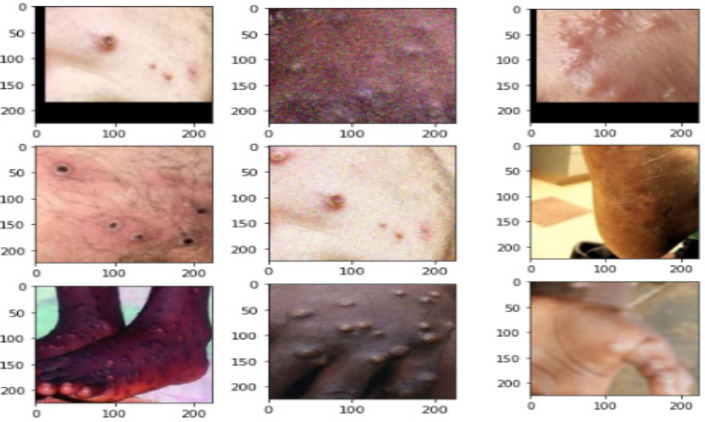
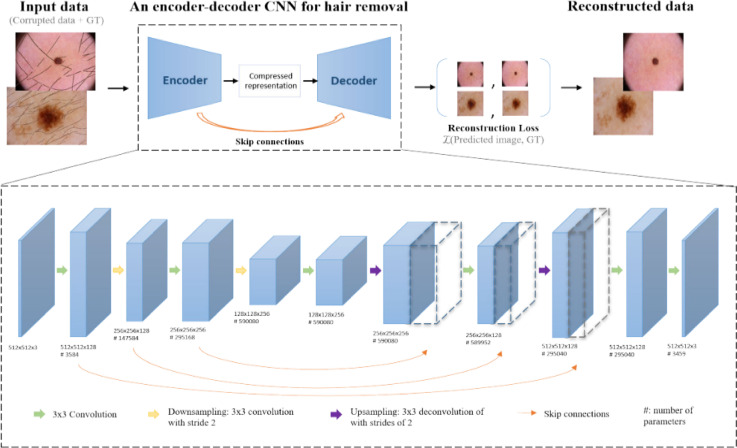
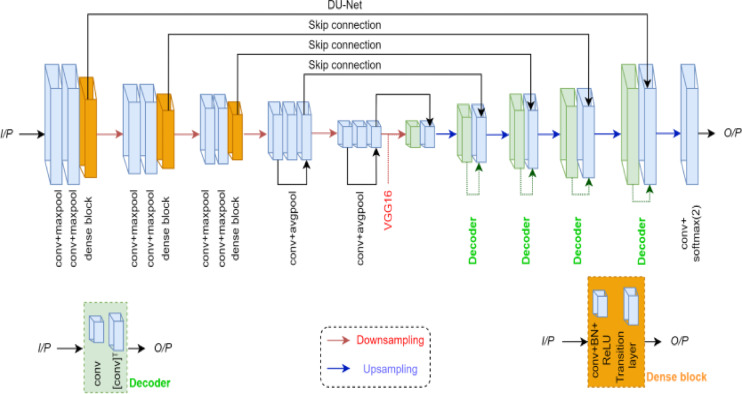
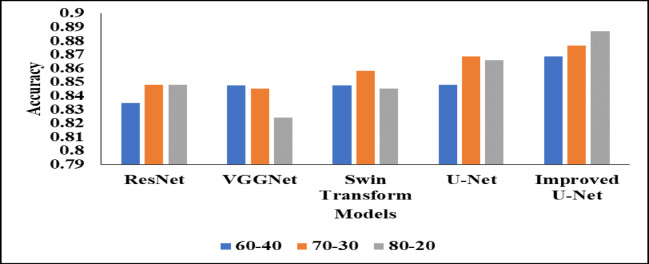
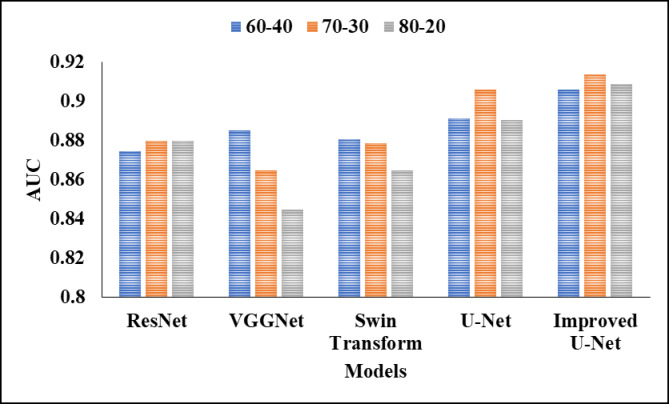
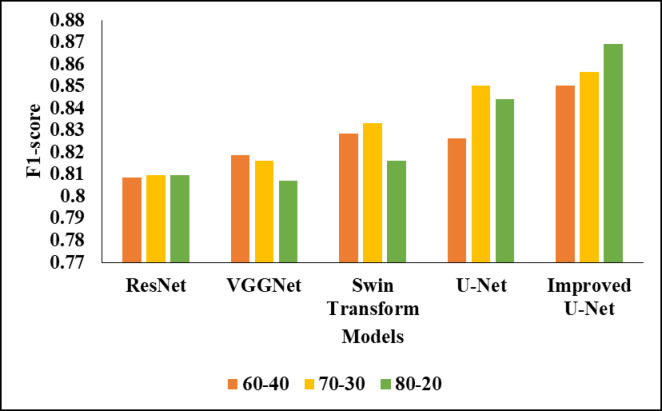
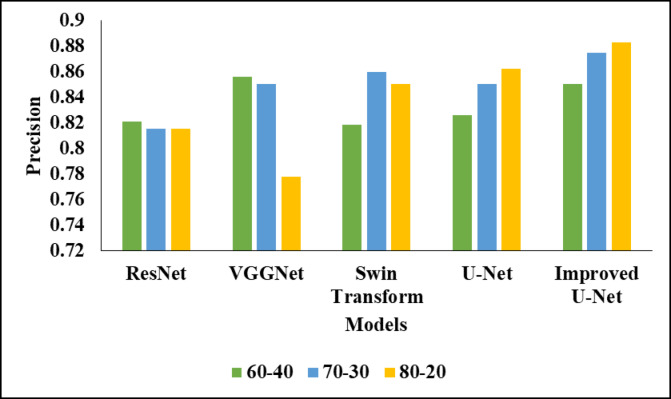
Accurate identification of Mpox is essential for timely diagnosis and treatment. However, traditional image-based diagnostic methods often struggle with challenges such as body hair obscuring skin lesions and complicating accurate assessment. To address this, the study introduces a novel deep learning-based approach to enhance Mpox detection by integrating a hair removal process with an upgraded U-Net model. The research developed the "Mpox Skin Lesion Dataset (MSLD)" by combining images of skin lesions from Mpox, chickenpox, and measles. The proposed methodology includes a pre-processing step to effectively remove hair from dermoscopic images, improving the visibility of skin lesions. This is followed by applying an enhanced U-Net architecture, optimized for efficient feature extraction and segmentation, to detect and classify Mpox lesions accurately. Experimental evaluations indicate that the proposed approach significantly improves the accuracy of Mpox detection, surpassing the performance of existing models. The achieved accuracy, recall, and F1 scores for Mpox detection were 90%, 89%, and 86%, respectively. The proposed method offers a valuable tool for assisting physicians and healthcare practitioners in the early diagnosis of Mpox, contributing to improved clinical outcomes and better management of the disease.
Keywords: Deep learning; Hair removal; Mpox diagnosis and therapy; Mpox disease; U-Net model.
© 2025. The Author(s).
Conflict of interest statement
Declarations. Competing interests: The authors declare no competing interests. Ethics approval and consent to participate: Not Applicable. Consent for publication: Not Applicable. Informed consent: Not Applicable. Clinical trail number: Not Applicable.
Figures
References
-
- Bengesi, S., Oladunni, T., Olusegun, R. & Audu, H. A machine learning-sentiment analysis on Mpox outbreak: an extensive dataset to show the polarity of public opinion from Twitter tweets. IEEE Access11, 11811–11826 (2023). - DOI
MeSH terms
LinkOut - more resources
Full Text Sources
Medical
