


Antibacterial, self-healing, and pH-responsive PVA/ZIF-8@tannic acid nanocomposite hydrogel for sustained delivery of garlic extract
- PMID: 40595265
- PMCID: PMC12217915
- DOI: 10.1038/s41598-025-07752-6
Antibacterial, self-healing, and pH-responsive PVA/ZIF-8@tannic acid nanocomposite hydrogel for sustained delivery of garlic extract
Abstract
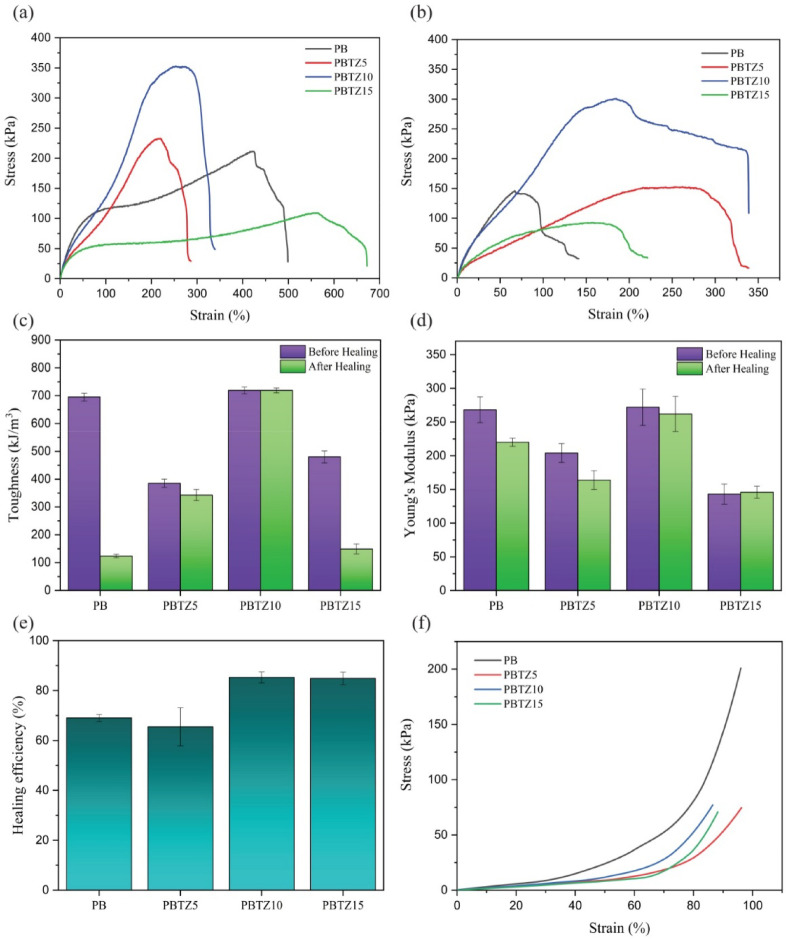
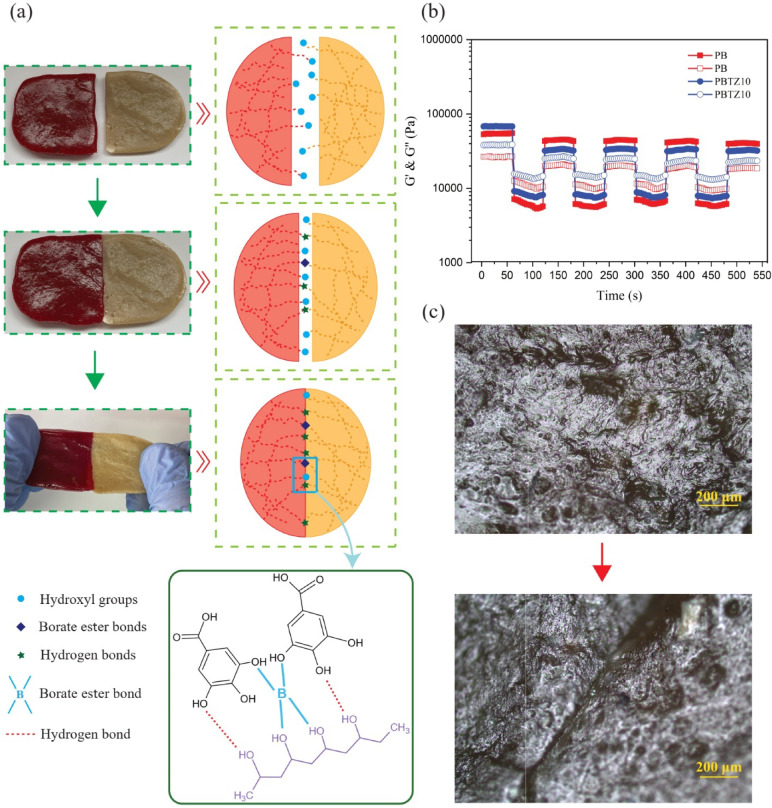
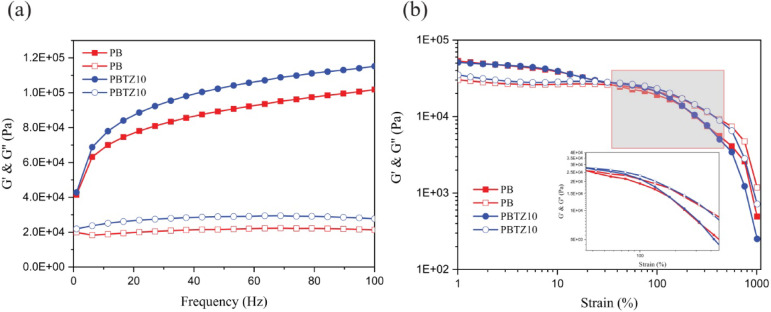
Hydrogels are increasingly recognized in biological research due to their unique characteristics and broad potential applications. In this study, a pH-responsive hydrogel-based nanocomposite was designed with antibacterial activity and self-healing ability, highlighting its promising applications in biomedical engineering and materials science. The hydrogel-based nanocomposite consists of a polyvinyl alcohol (PVA) hydrogel crosslinked with borax (PB), zinc-based zeolitic imidazolate framework-8 nanoparticles modified with tannic acid (ZIF-8@TA), and garlic extract. The pH-responsiveness of the hydrogel arises from ZIF-8@TA and borax, which undergoes controlled degradation in acidic and basic conditions, enabling the targeted release of zinc ions beneficial for infected wounds. Its physicochemical and mechanical properties, self-healing abilities, and rheological behavior have been thoroughly investigated. The antimicrobial efficacy, antioxidant activity, biocompatibility, and release of zinc and sulfur ions were also evaluated. Mechanical analysis demonstrates tensile strengths ranging from 109 to 353 kPa, highlighting the material's versatility and suitability for applications such as wound dressings. Additionally, the hydrogels exhibited healing efficiencies ranging from 65.45 to 85.27% across samples with varying ZIF-8@TA concentrations (5-15 wt%). Antibacterial studies of hydrogels (0.5 g/mL) demonstrated 100% bacterial inhibition against Escherichia coli and Staphylococcus aureus strains, while significant antioxidant activity and sustained release of zinc and sulfur ions were observed over a 15-day period. These findings make the ZIF-8@TA-modified PVA hydrogel a promising candidate for advanced biomedical applications, addressing challenges in infection management, tissue regeneration, and adaptability to diverse wound environments.
Keywords: Antibacterial; Garlic extract; Hydrogel; PVA; Self-healing; ZIF-8.
© 2025. The Author(s).
Conflict of interest statement
Declarations. Competing interests: The authors declare no competing interests.
Figures
References
-
- He, J., Shi, M., Liang, Y. & Guo, B. Conductive adhesive self-healing nanocomposite hydrogel wound dressing for photothermal therapy of infected full-thickness skin wounds. Chem. Eng. J.394, 124888 (2020). - DOI
-
- Wang, L., Zhou, M., Xu, T. & Zhang, X. Multifunctional hydrogel as wound dressing for intelligent wound monitoring. Chem. Eng. J.433, 134625 (2022). - DOI
MeSH terms
Substances
LinkOut - more resources
Full Text Sources
Medical
Miscellaneous
