


Comparing warming strategies to reduce hypothermia and shivering in elderly abdominal or pelvic surgery patients: a network meta-analysis
- PMID: 40595941
- PMCID: PMC12216274
- DOI: 10.1038/s41598-025-04644-7
Comparing warming strategies to reduce hypothermia and shivering in elderly abdominal or pelvic surgery patients: a network meta-analysis
Abstract
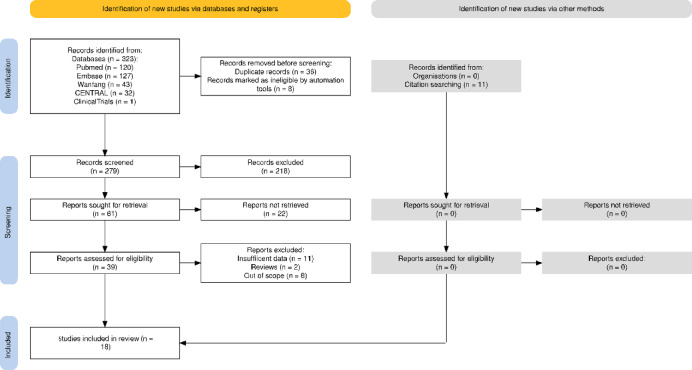
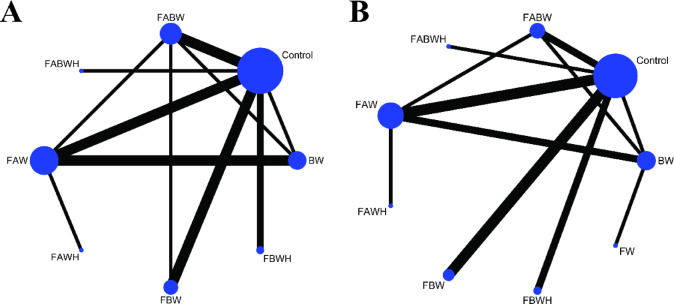
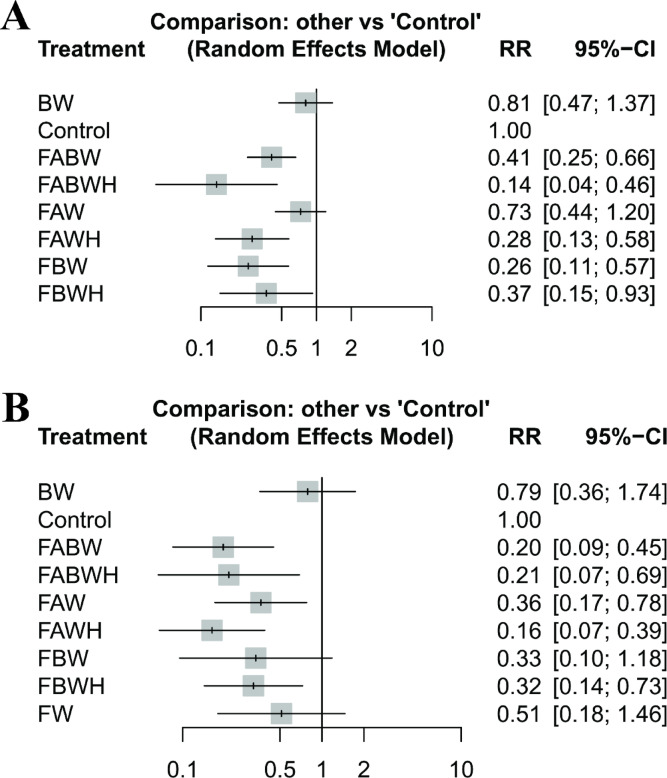
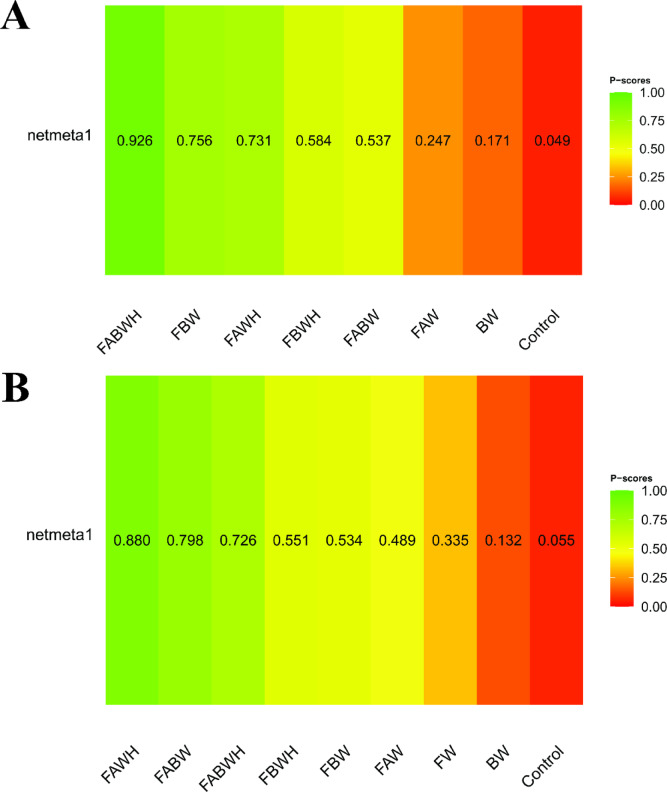
Perioperative hypothermia (PHT) and shivering represent significant clinical challenges in geriatric surgical populations. This network meta-analysis (NMA) systematically evaluates the comparative efficacy of various warming interventions in preventing PHT and shivering among elderly patients undergoing abdominal or pelvic surgery. We conducted a comprehensive literature search across PubMed, EMBASE, Cochrane library, and China Wanfang databases for randomized controlled trials (RCTs) published up to April 2024. Inclusion criteria encompassed RCTs comparing warming strategies in patients aged ≥ 60 years undergoing abdominal or pelvic surgery. Methodological quality was assessed using the Cochrane Risk of Bias tool 2.0. Primary outcomes included incidence rates of PHT and shivering. A frequentist approach to NMA was performed using random-effects models, with surface under the cumulative ranking curve (SUCRA) values calculated for treatment ranking. The analysis incorporated 18 RCTs (n = 2161) evaluating eight distinct warming strategies. Network meta-analysis revealed that forced-air warming with blankets at ≥ 40 °C (FABWH) demonstrated superior efficacy for PHT prevention, while forced-air warming at ≥ 40 °C (FAWH) showed optimal performance for shivering reduction. Compared to standard care, FABWH significantly reduced PHT risk (RR = 0.14, 95% CI 0.04-0.46; P = 0.0012) and shivering incidence (RR = 0.21, 95% CI 0.07-0.69; P = 0.008). FAWH exhibited comparable effectiveness, with risk reductions of 72% for PHT (RR = 0.28, 95% CI 0.13-0.58; P = 0.0006) and 84% for shivering (RR = 0.16, 95% CI 0.07-0.39; P < 0.001). This NMA provides robust evidence that active warming strategies, particularly FABWH and FAWH, significantly mitigate PHT and shivering risks in elderly surgical patients. Future research should focus on long-term outcomes and cost-effectiveness analyses to optimize clinical decision-making.
Keywords: Abdominal or pelvic surgery; Electrically; Hypothermia; Meta-analysis; Warming strategy.
© 2025. The Author(s).
Conflict of interest statement
Declarations. Competing interests: The authors declare no competing interests. Ethical approval and informed consent: This study did not involve direct interaction with human subjects or collection of individual patient data, and therefore did not require ethical approval and informed consent statements.
Figures
References
Publication types
MeSH terms
LinkOut - more resources
Full Text Sources
Medical
Miscellaneous
