CXCL8 is essential for cervical cancer cell acquired radioresistance and acts as a promising therapeutic target in cervical cancer
- PMID: 40596054
- PMCID: PMC12219856
- DOI: 10.1038/s41598-025-05435-w
CXCL8 is essential for cervical cancer cell acquired radioresistance and acts as a promising therapeutic target in cervical cancer
Abstract
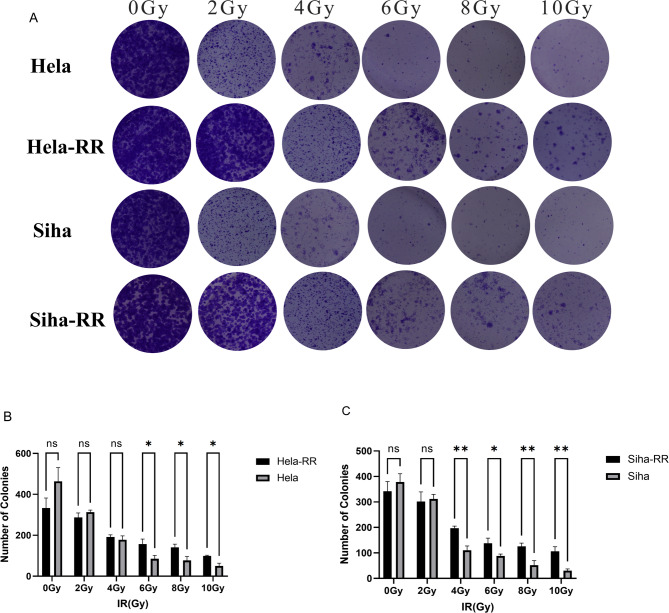
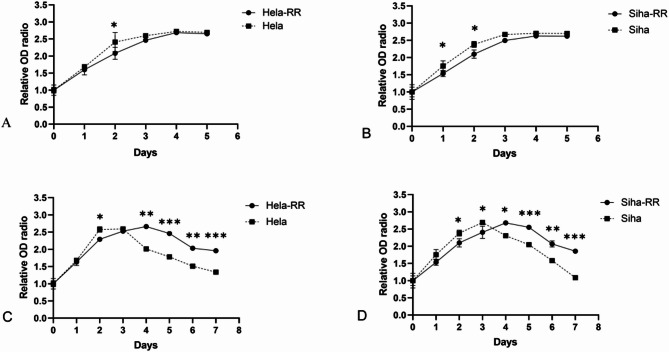
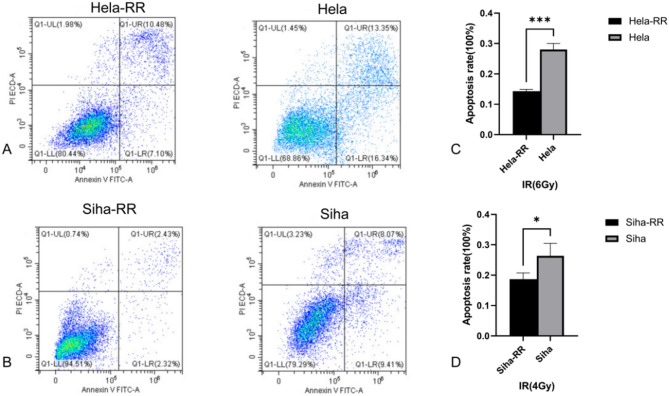
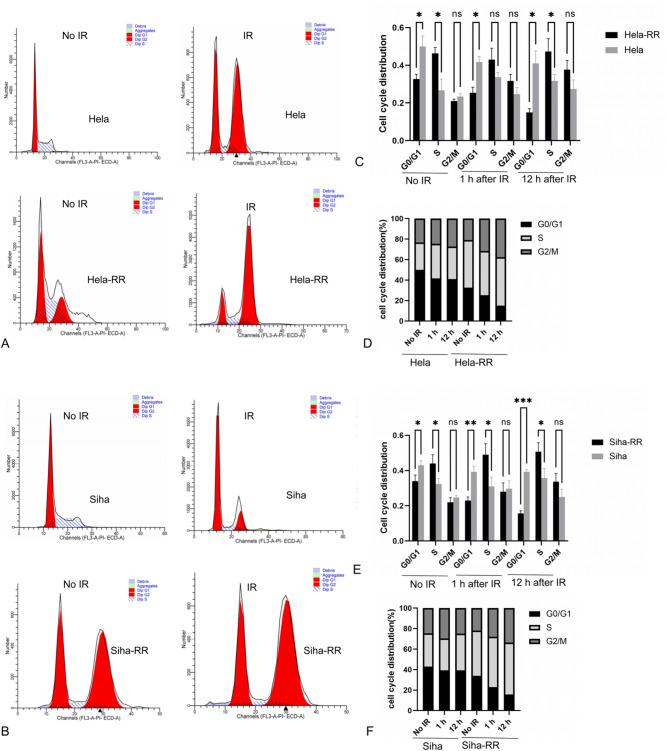
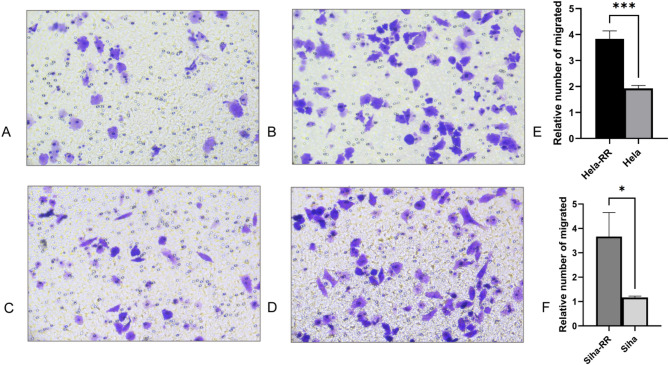
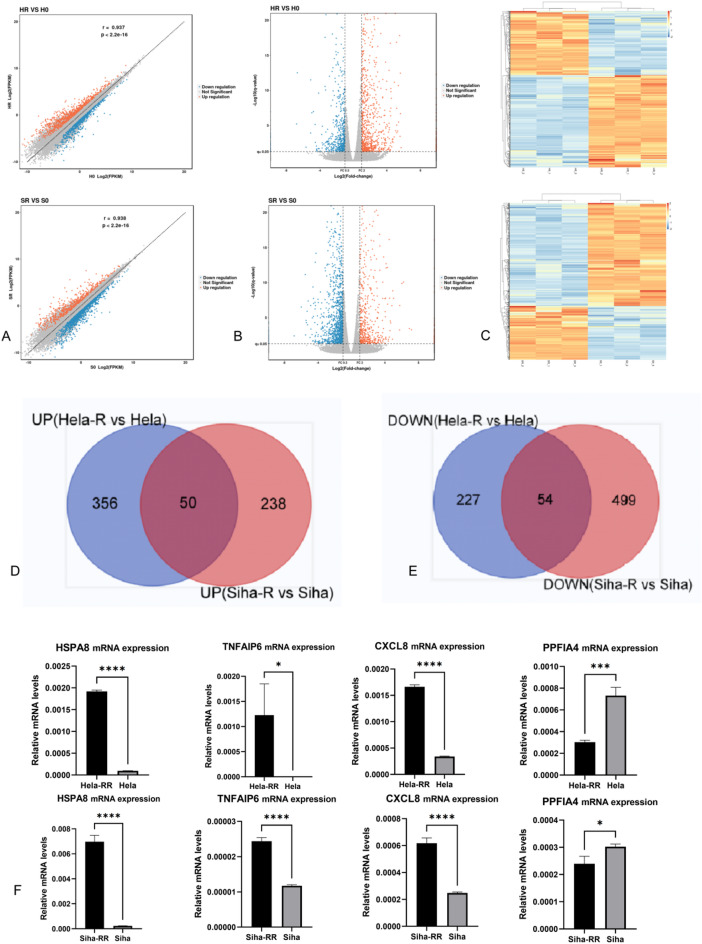
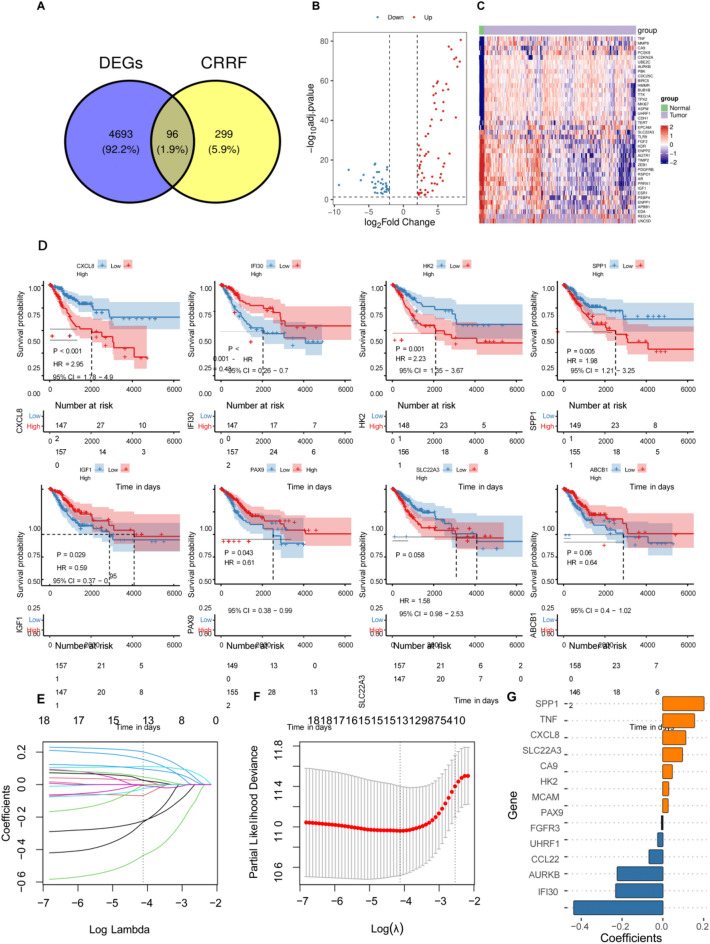
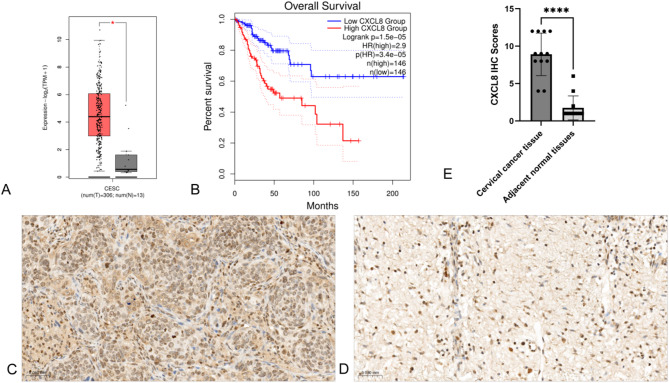
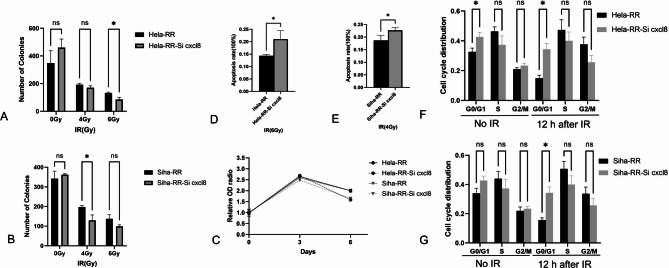
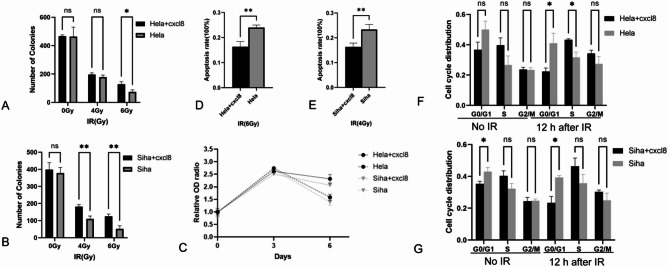
Acquired radioresistance critically challenges cervical cancer radiotherapy management. Clinically relevant radioresistant cell models remain scarce, and CXCL8's role in cervical cancer-despite its tumorigenic/therapy-resistant associations in other cancers-is poorly characterized. Two radioresistant cervical cancer cell strains were established. mRNA-seq and bioinformatics analysis of radiosensitivity regulators identified CXCL8 as a key mediator. In vitro, assays of cell viability, clone formation, apoptosis and cell cycle were conducted following transient transfection of cervical cancer radiotherapy-resistant cell strains with knockdown of CXCL8, as well as subsequent addition of exogenous CXCL8 to cervical cancer parental cell strains. Radioresistant cervical cancer cell lines (Hela-RR/Siha-RR) were established through clinical protocol-mimicking irradiation, validated via proliferation/clonogenic/cell cycle assays. mRNA-seq identified 50 co-upregulated and 54 co-downregulated genes in resistant strains, with CXCL8 among top differentially expressed genes (IL11, CXCL8, MMP1, HSPA8, CA9, PPFIA4, EDN2, GUCY1A2, EFNA3, TNFAIP6). qRT-PCR confirmed CXCL8, TNFAIP6, SRNA8 and PPFIA4 dysregulation. Cox regression analysis of 96 candidate radiosensitivity regulators prioritized CXCL8 among eight key genes in cervical cancer. GEPIA2 and immunohistochemistry revealed CXCL8 overexpression in tumors. Functional studies demonstrated CXCL8 knockdown sensitized resistant cells to radiation, while exogenous CXCL8 induced resistance in parental lines.
Keywords: CXCL8; Cervical cancer; Radioresistance; Radiosensitization; Tumor microenvironment.
© 2025. The Author(s).
Conflict of interest statement
Declarations. Competing interests: The authors declare no competing interests. Institutional review board approval: This study was approved by the Ethics Committee of The First Affiliated Hospital of Zhengzhou University. Informed consent: N/A. Registry and registration number: N/A. Animal studies: N/A.
Figures