


Machine learning evaluation model of pilot workload in a low-visibility environment
- PMID: 40596135
- PMCID: PMC12217077
- DOI: 10.1038/s41598-025-05759-7
Machine learning evaluation model of pilot workload in a low-visibility environment
Abstract
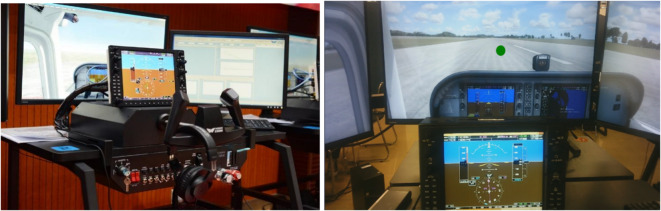
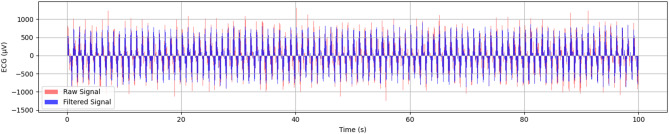
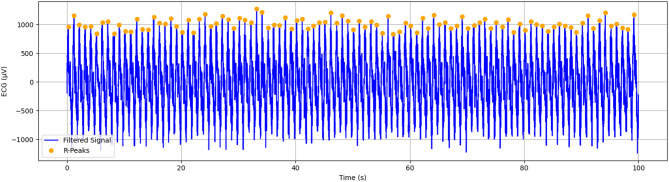
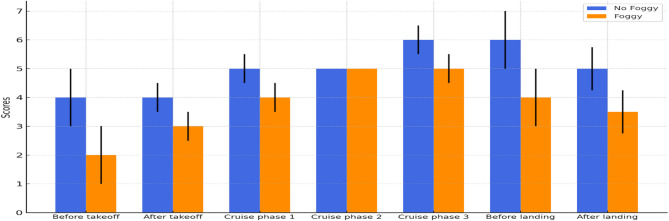
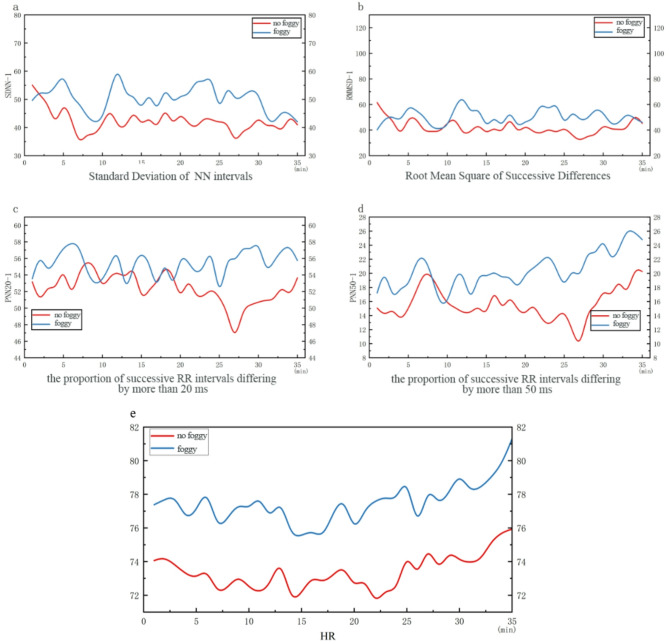
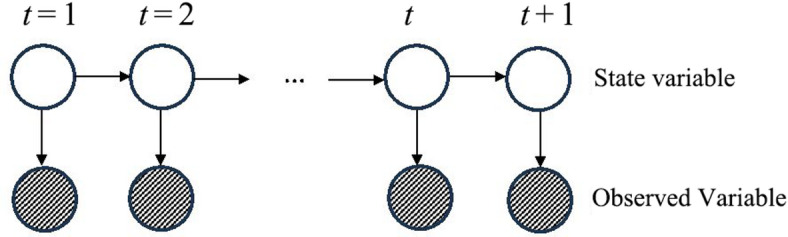
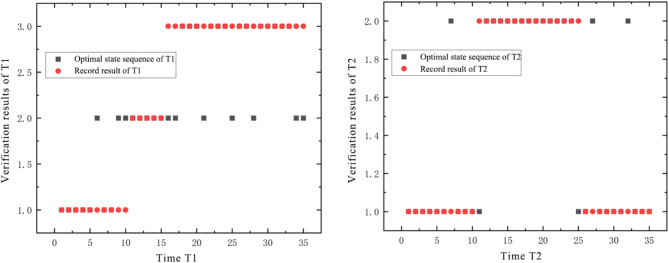
To analyze the variation trend of pilots' workload in a low-visibility flight environment and then put forward a scientific evaluation method, this study set up an experimental platform using an E01-pro simulated flight platform and a PhysioPlux multipurpose physiological index tester. The ECG signal data of 40 pilots in normal- and low-visibility flight environments were monitored and collected. Meanwhile, the workload and heart rate (HR) changes of pilots under different visibility levels were analyzed in accordance with the American NASA-TLX workload scale, and the sensitive indexes significantly affecting pilots' workload among ECG signal indexes were screened and extracted. A quantitative evaluation method for pilots' workload was established on the basis of the hidden Markov model (HMM) in machine learning theory, sensitive ECG signal indexes, and subjective scale data. In addition, the workload state of pilots under different visibility levels was judged, and the evolution laws of ECG indexes were revealed. Results show that multiple indexes such as pilots' average HR and scale scores grow significantly under the low-visibility flight environment. The four indexes-pNN20, HF/LF, SD2/SD1, and HR-in ECG signals exhibit significant differences in distinguishing different levels of workload. The accuracy of the HMM-based pilots' workload evaluation model can reach as high as 87.5%. The conclusions provide methodological support for the fast evaluation of pilots' workload state.
Keywords: Civil pilots; ECG signal; Low visibility; Machine learning; Workload.
© 2025. The Author(s).
Conflict of interest statement
Competing interests: The authors declare no competing interests.
Figures
References
-
- Chutima, P. & Krisanaphan, N. Cockpit crew pairing Pareto optimisation in a budget airline. Int. J. Ind. Eng. Comput.13, 67–80. 10.5267/J.IJIEC.2021.8.001 (2022).
-
- Coombes, C., Whale, A., Hunter, R. & Christie, N. Sleepiness on the flight deck: reported rates of occurrence and predicted fatigue risk exposure associated with UK airline pilot work schedules. Saf. Sci.129, 104833. 10.1016/j.ssci.2020.104833 (2020).
-
- Berg, M. J. V. D., Wu, L. J., Gander, P. H., Santos-Fernandez, E. & Signal, L. Evaluating the sensitivity of sleep measures for monitoring pilot fatigue in operational settings. Sleep43 (1), A82. 10.1093/sleep/zsaa056.208 (2020).
-
- Dimascio, J. NASA completes pilot breathing assessment. Aerosp. Dly. Def. Rep.274 (15), 5 (2020).
-
- Gander, P. H. et al. Effects of sleep/wake history and circadian phase on proposed pilot fatigue safety performance indicators. J. Sleep. Res.24 (1), 110–119. 10.1111/jsr.12197 (2015). - PubMed
MeSH terms
Grants and funding
LinkOut - more resources
Full Text Sources
Research Materials
Miscellaneous
