


The antioxidant system was unexpectedly strongly suppressed in apis mellifera worker bees emerged from larvae reared on combs adulterated with paraffin or stearin
- PMID: 40596282
- PMCID: PMC12217025
- DOI: 10.1038/s41598-025-08596-w
The antioxidant system was unexpectedly strongly suppressed in apis mellifera worker bees emerged from larvae reared on combs adulterated with paraffin or stearin
Abstract
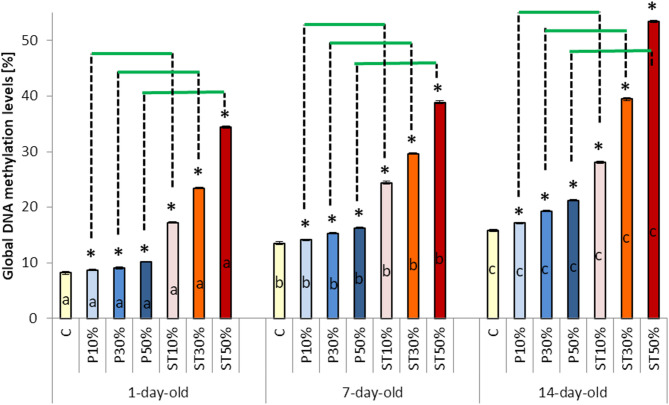
The bee-wax combs are "the biggest organ of the bee colony body" as, in addition to their structural functions, they transfer information - pheromones and sounds. The lack of quality control procedures for bee-wax foundation, leads to a deterioration of this raw material, among others with the addition of paraffin and/or stearin. The adulteration of beeswax, from which wax foundation is produced, affects the mechanical strength of the combs and the development of the brood. Little is known about the effects of these adulterants on bees' biochemistry and physiology. Therefore, the activity of the antioxidant system (SOD, CAT, GPx, GST and Vg) was determined in the hemolymph of bees reared on pure wax and wax adulterated with paraffin (10%, 30% or 50%) or stearin (10%, 30% or 50%). Additionally, the level of global DNA methylation in the brain of these bees was identified. We showed for the first time that paraffin or stearin strongly suppressed the activity of the antioxidant system, including Vg, in honeybee workers emerged from larvae reared on combs adulterated with these compounds. Stearin was much more harmful and may cause serious metabolic disturbances, including an increase in the global DNA methylation. This is important new information that serves as a warning to wax foundation producers and beekeepers. Therefore, there is an urgent need to introduce proper procedures and regulations for the routine quality evaluation of wax intended for the production of the bee comb building foundation.
Keywords: Antioxidative enzymes; DNA methylation; Honeybee; Vitellogenin; Wax adulteration.
© 2025. The Author(s).
Conflict of interest statement
Declarations. Competing interests: The authors declare no competing interests. Declaration of competing interest: The authors declare that they have no known competing financial interests or personal relationships that could have appeared to influence the work reported in this paper.
Figures


References
-
- Hristov, P., Shumkova, R., Palova, N. & Neov, B. Honey bee colony losses: why are honey bees disappearing? Sociobiology68, 1–13 (2021).
-
- Blande, J. D. Effects of air pollution on plant–insect interactions mediated by olfactory and visual cues. Curr. Opin. Environ. Sci. Health. 19, 100228 (2021).
MeSH terms
Substances
Grants and funding
LinkOut - more resources
Full Text Sources
Medical
Research Materials
Miscellaneous
