


Color stability of clear aligners exposed to various beverages: an in vitro study
- PMID: 40596984
- PMCID: PMC12220212
- DOI: 10.1186/s12903-025-06343-1
Color stability of clear aligners exposed to various beverages: an in vitro study
Abstract
Background: Staining clear aligners from beverages commonly occurs and can affect a patient's self-esteem and confidence in social interactions. The aim of the present study was to evaluate the color stability of clear aligners when exposed to several types of beverages.
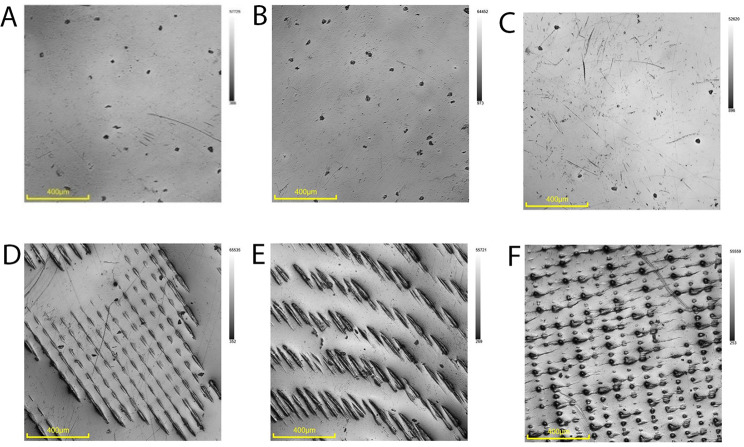
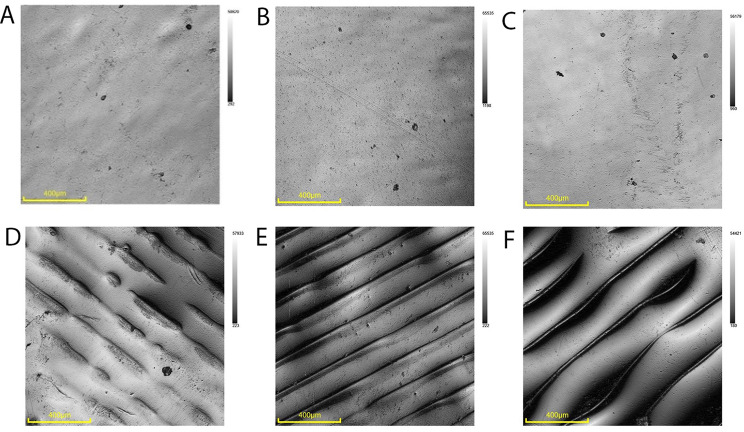
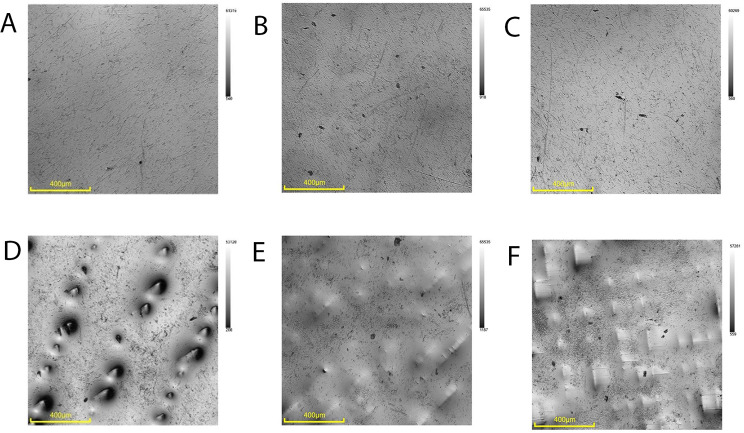
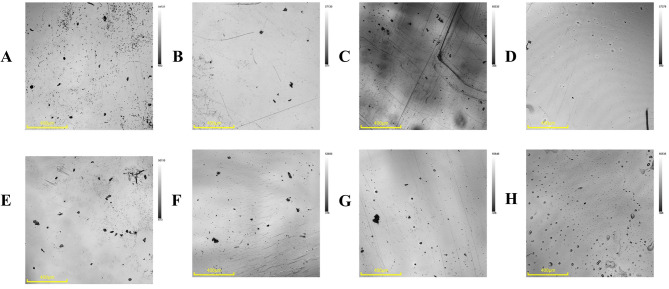
Methods: A total of 704 (seven hundred four, 176 per brand) clear aligner samples from four brands (Beforedent®, Käse Aligner®, Invisalign® and ClearCorrect®) were immersed in three types of beverages (tea, coffee and cola) and a control solution (artificial saliva) for 6 and 12 hours. The color before immersion (T0), after 6 hours (T1) and 12 hours after immersion (T2) were measured in the CIE L*-a -b system, the color difference (ΔE*) and the National Bureau of Standard Unit (NBS) were calculated. Fourier transform infrared spectroscopy (FTIR) and 3D laser scanning microscopy were performed to identify the polymer composition and surface properties. The data were analyzed via two-way ANOVA and multiple comparisons using Bonferroni corrections, with P < 0.05 indicating statistical significance.
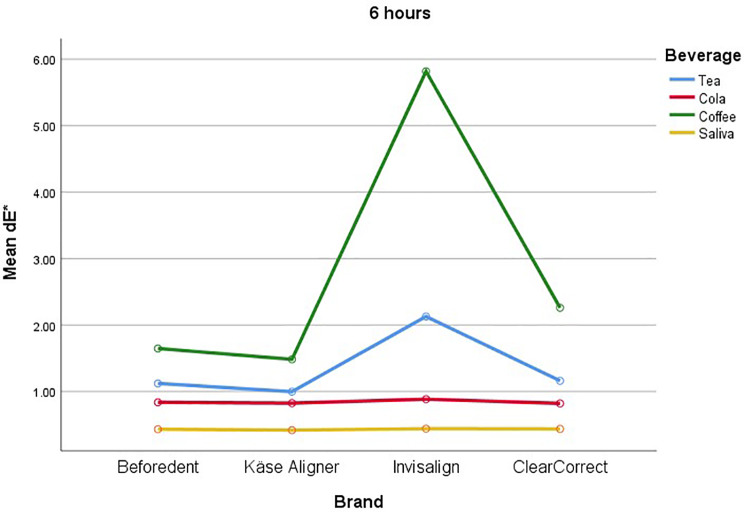
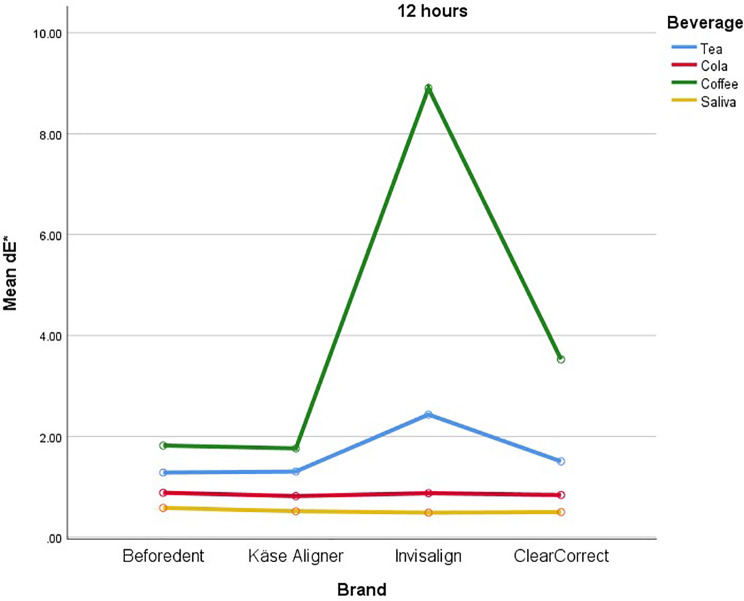
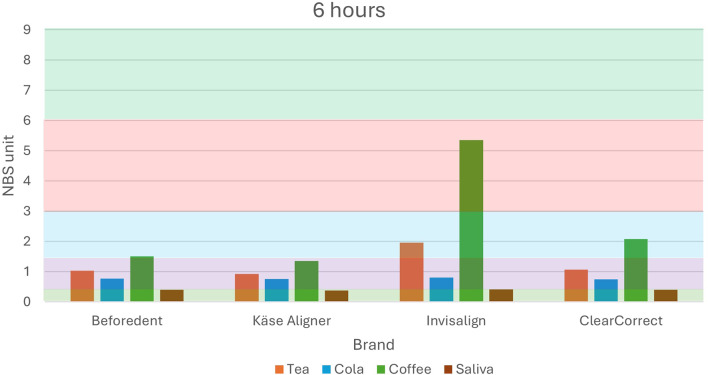
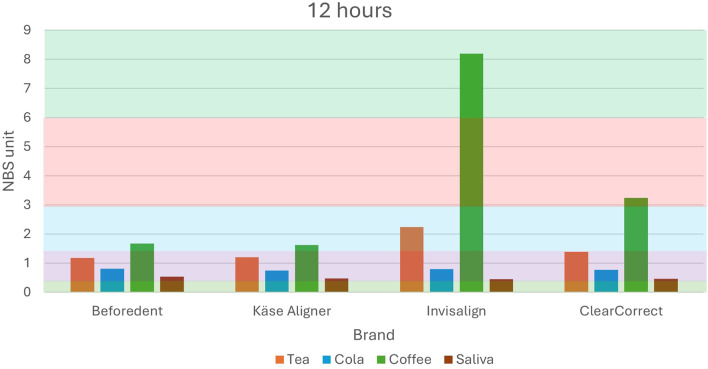
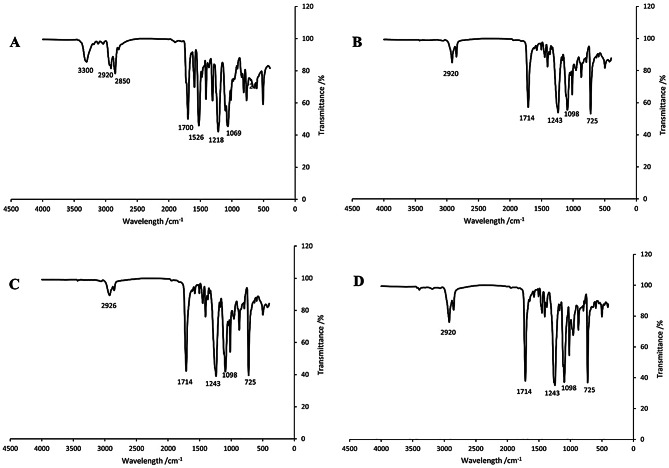
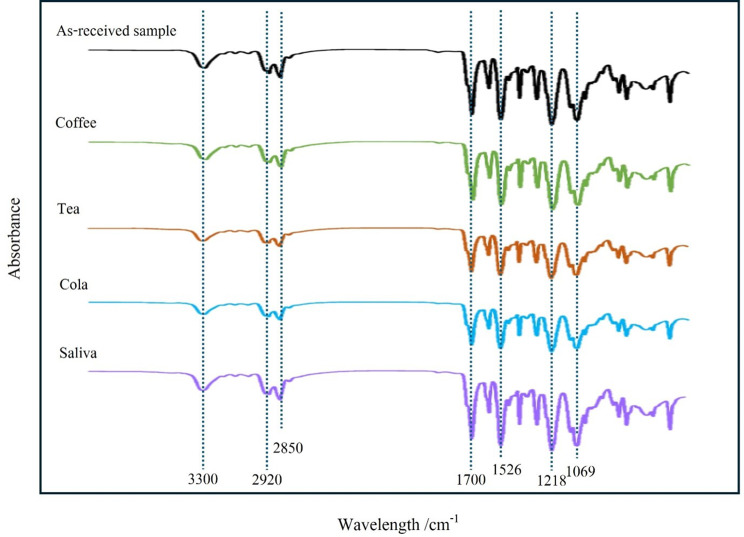
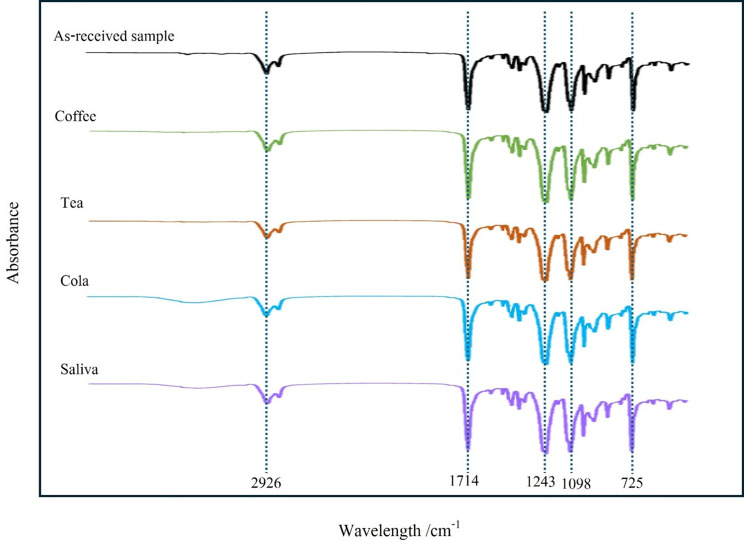
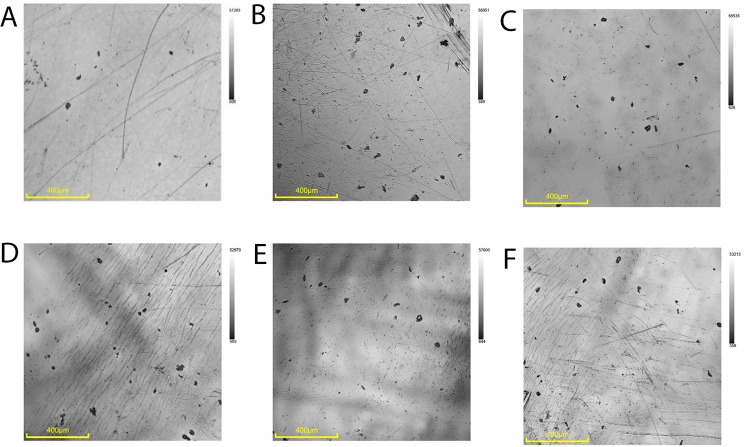
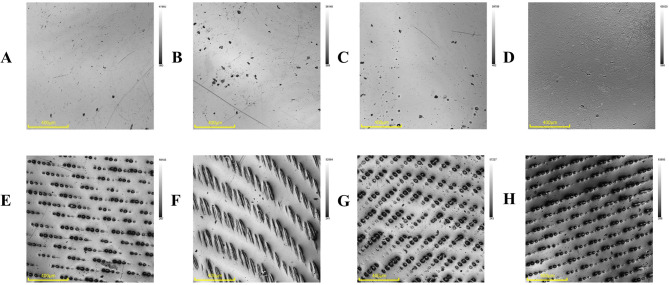
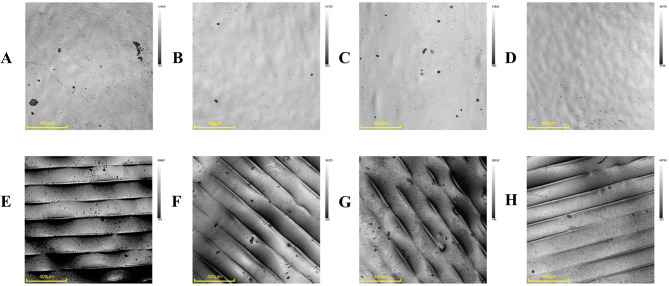
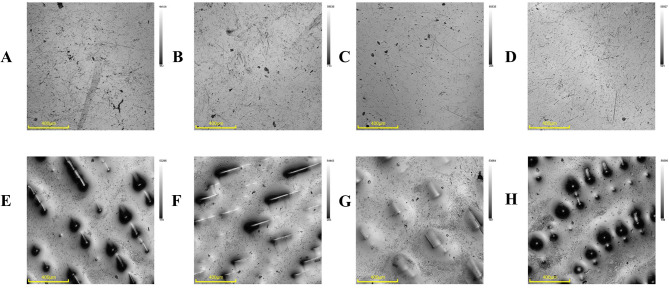
Results: After 6 and 12 hours, Invisalign® in coffee and tea presented significantly greater color differences than ClearCorrect®, Beforedent®, and Käse Aligner® did. No significant color changes were observed in the cola or artificial saliva (control) for any of the brands. According to the FTIR analysis, Invisalign® is made from polyurethane, ClearCorrect® from polyester, and both Beforedent® and Käse Aligner® from polyethylene terephthalate. The highest degree of roughness and porosity was shown on the surface of Invisalign®. The spectral features of samples immersed in colored beverages almost overlapped with as receive samples before immersion.
Conclusions: Invisalign® made from polyurethane resulted in the most color changes, followed by ClearCorrect® Beforedent® and Käse Aligner® had the least and equivalent color changes. Coffee caused the most discoloration on clear aligners, followed by tea, cola, and artificial saliva (control). After 6 and 12 hours of immersion, all the groups presented good color stability, except for Invisalign® immersed in coffee for 6-12 hours, and ClearCorrect® immersed in coffee for 12 hours. The removal of clear aligner before beverage consumption is recommended.
Keywords: Clear aligners; Color difference; Fourier transform infrared; Orthodontic appliances; Spectroscopy; Surface properties.
© 2025. The Author(s).
Conflict of interest statement
Declarations. Ethics approval and consent to participate: Approval by the Faculty of Dentistry/Faculty of Pharmacy, Mahidol University, Institution Review Board (Reference number: COE.No.MU-DTPY-IRB 2023/033.2607). Consent for publication: Not applicable. Competing interests: The authors declare no competing interests.
Figures
References
MeSH terms
Substances
LinkOut - more resources
Full Text Sources
Research Materials
Miscellaneous
