


Individualizing pediatric boarding care: child perspectives
- PMID: 40596997
- PMCID: PMC12217199
- DOI: 10.1186/s12887-025-05748-9
Individualizing pediatric boarding care: child perspectives
Abstract
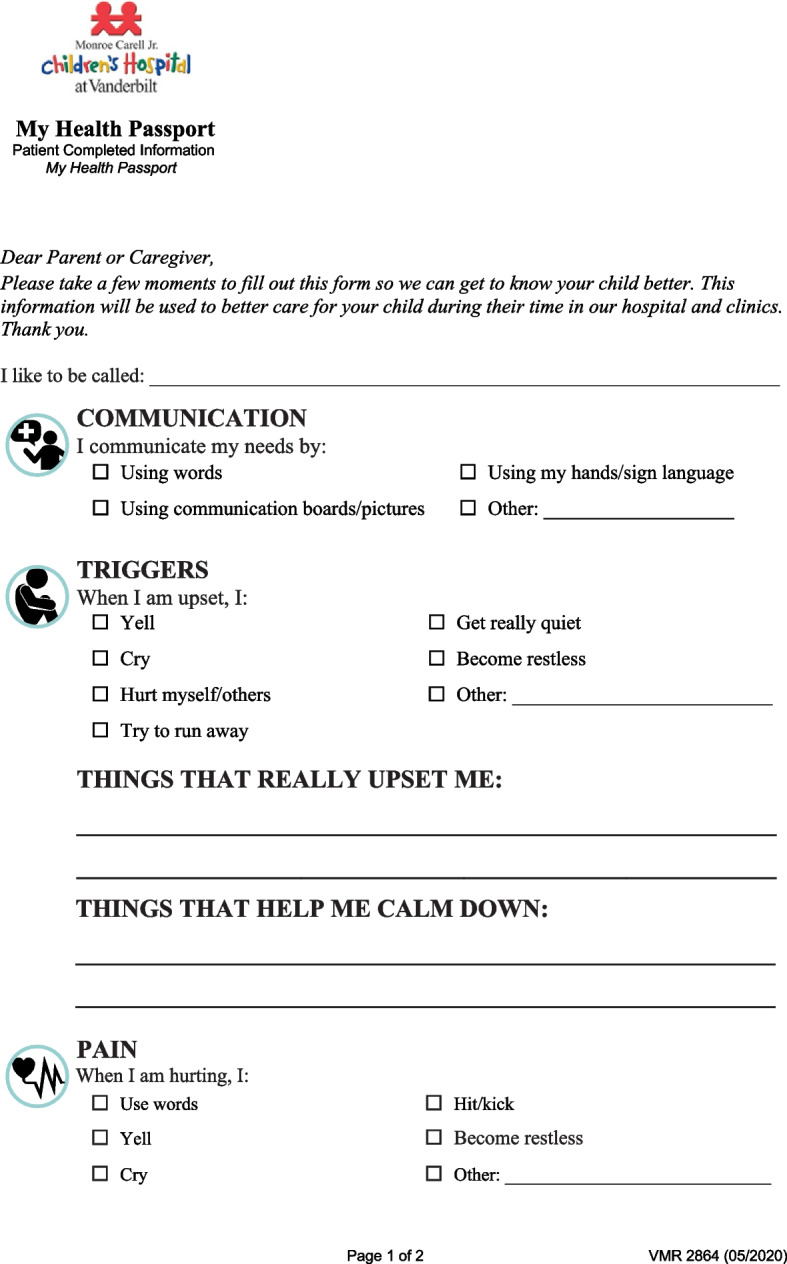
Background: Hundreds of thousands of pediatric patients receive inpatient behavioral health care each year, and many of these experience boarding stays in general inpatient units while they await transfer to a psychiatric facility. Boarding stays are often characterized by low quality of care, including a lack of individualized care planning. The authors present an evaluation of an individualized care planning tool, the My Health Passport, reported by pediatric patients to understand the perceptions and feasibility of implementation.
Methods: A total of 100 pediatric patients ages 8-17 who were admitted for behavioral health concerns and experienced boarding participated. Following completion of the My Health Passport tool, participants completed a questionnaire regarding their helpfulness, satisfaction, and suggestions for improving the tool. A prospective cohort design was used. Quantitative data were analyzed via descriptive statistics utilizing SPSS, and an inductive coding process was used to evaluate short-answer responses.
Results: Data suggest pediatric patients were largely satisfied with the tool, with a mean satisfaction rating of 7.72 out of 10. Patients find it improves their stay through increasing comfort with staff and emphasizing the use of coping skills with tailored questions. The possibility of creating multiple forms of the tool, with varying levels of complexity, was raised. Participants also envisioned My Health Passport to be a useful tool in settings such as their homes, schools, community organizations, and other facilities in which they may receive inpatient psychiatric care.
Conclusion: Overall, this tool is received well and perceived as helpful by pediatric patients. Future research could evaluate the use of an individualized behavioral health planning tool in outpatient settings and with longitudinal cohorts.
Keywords: Behavioral health; Mental health; Pediatric individualized care planning; Psychiatric boarding.
© 2025. The Author(s).
Conflict of interest statement
Declarations. Ethics approval and consent to participate: Full IRB approval was granted by the Vanderbilt University Institutional Review Board under protocol number 211422. All data were collected between May 2022 and July 2023. Parent/guardian informed consent was obtained prior to approaching the patient for assent. The authors adhered to all ethical principles established in the Declaration of Helsinki. Consent for publication: Not applicable. Competing interests: The authors declare no competing interests.
Figures

References
-
- Saidinejad M, Duffy S, Wallin D, Hoffmann JA, Joseph MM, Schieferle Uhlenbrock J, et al. Emergency Nurses Association. The management of children and youth with pediatric mental and behavioral health emergencies. Pediatrics. 2023;152(3):e97–105. - PubMed
-
- McEnany FB, Ojugbele O, Doherty JR, McLaren JL, Levenaar JK. Pediatric mental health boarding. Pediatrics. 2020;146(4):e20201174. - PubMed
MeSH terms
LinkOut - more resources
Full Text Sources
Medical
