


Exploring the role of gut microbiota in rheumatoid arthritis: the effects of diet and drug supplementation
- PMID: 40598685
- PMCID: PMC12220324
- DOI: 10.1186/s41927-025-00541-8
Exploring the role of gut microbiota in rheumatoid arthritis: the effects of diet and drug supplementation
Abstract
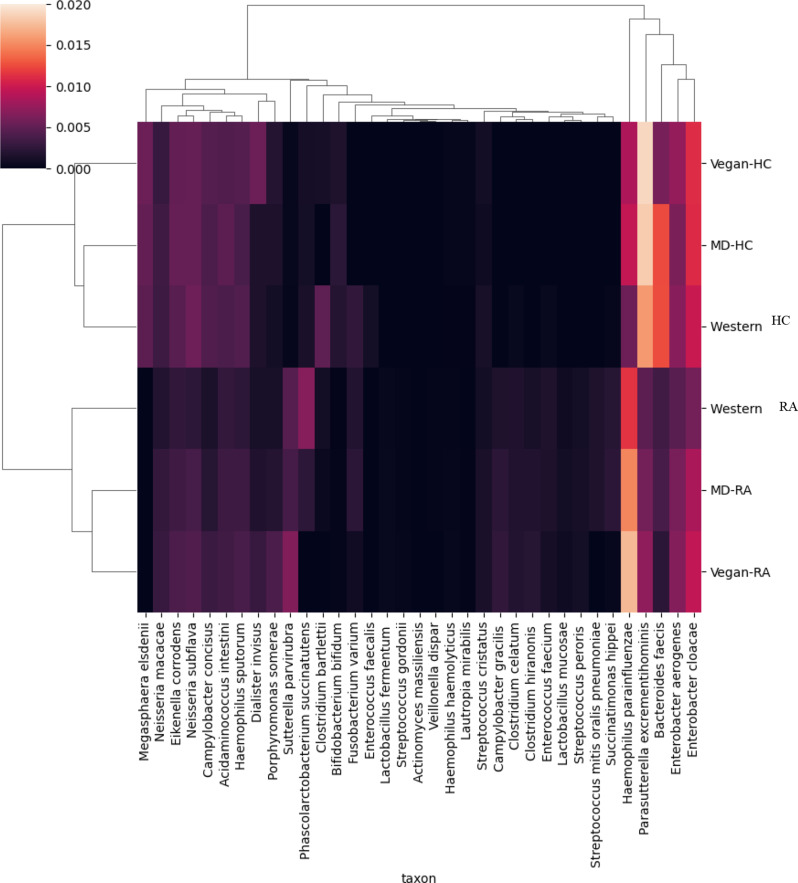
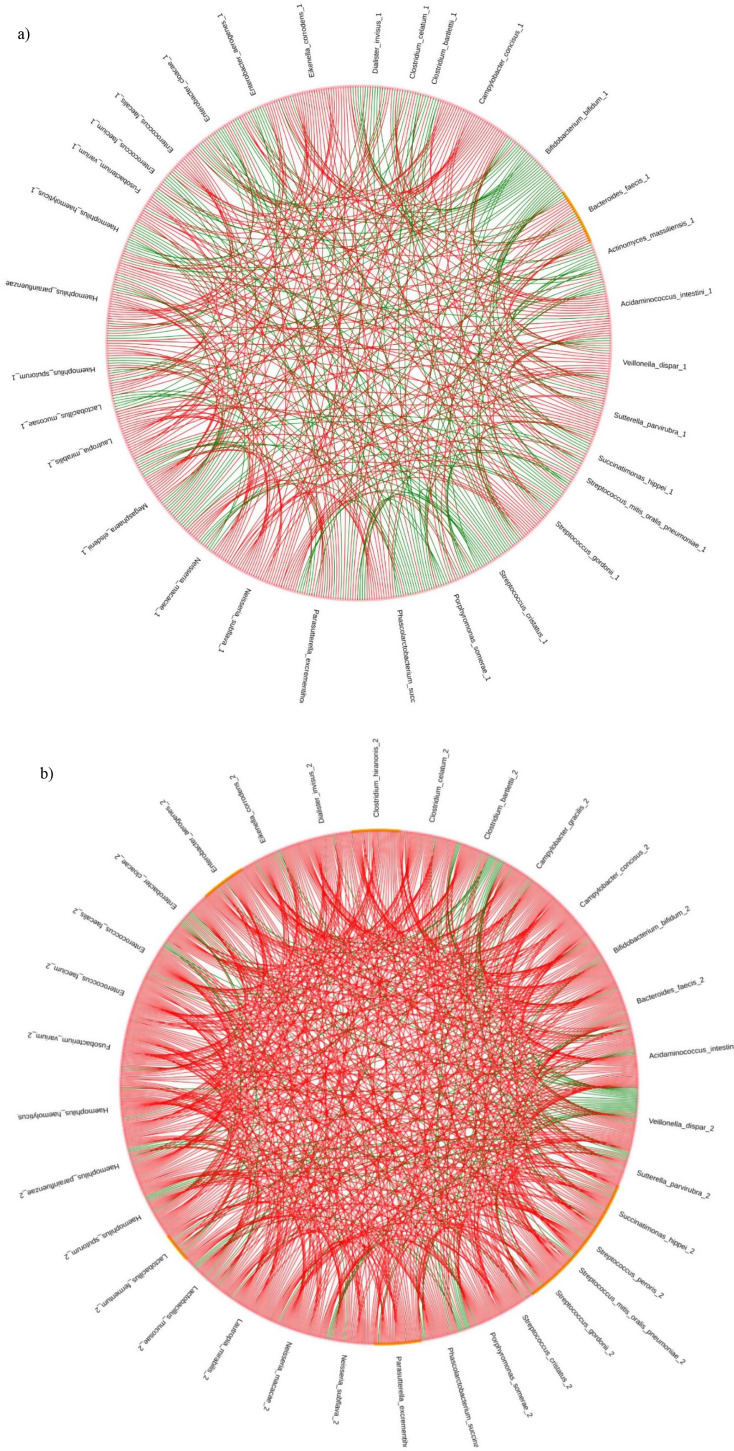
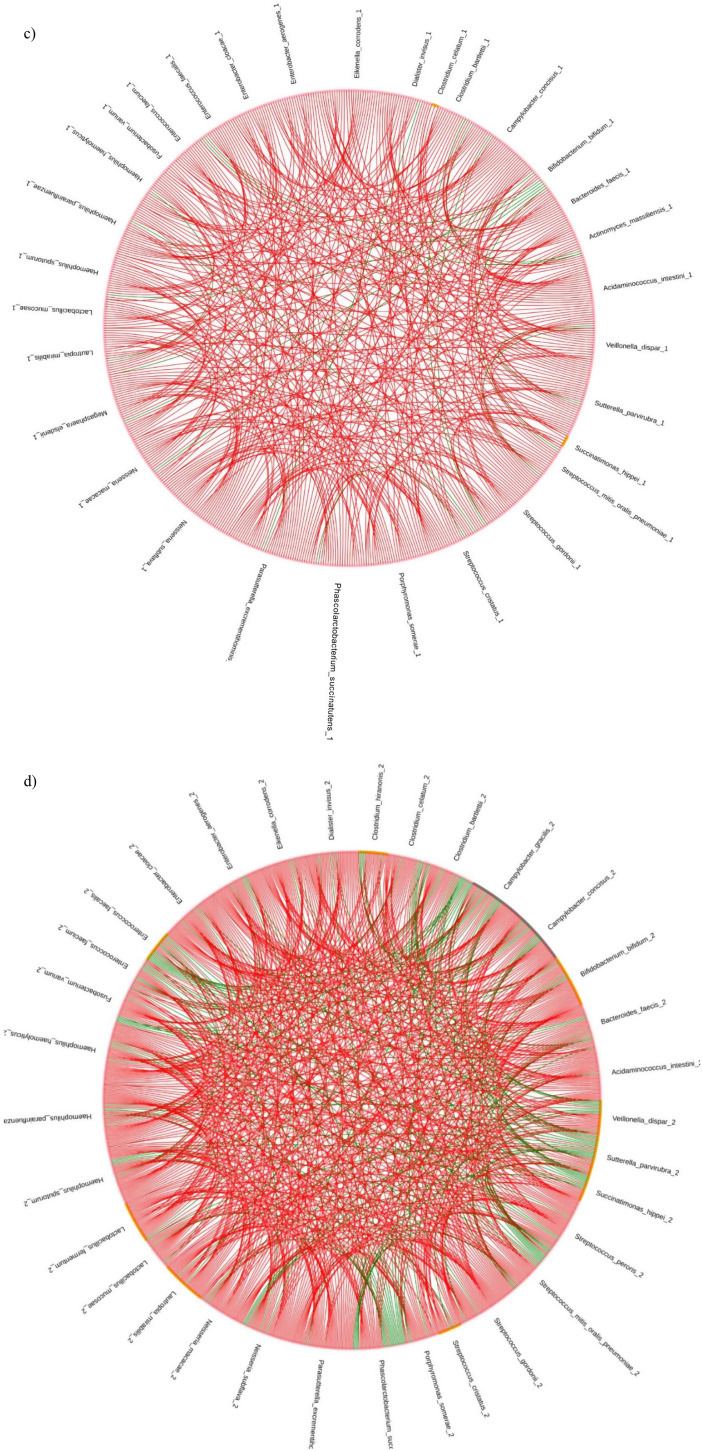
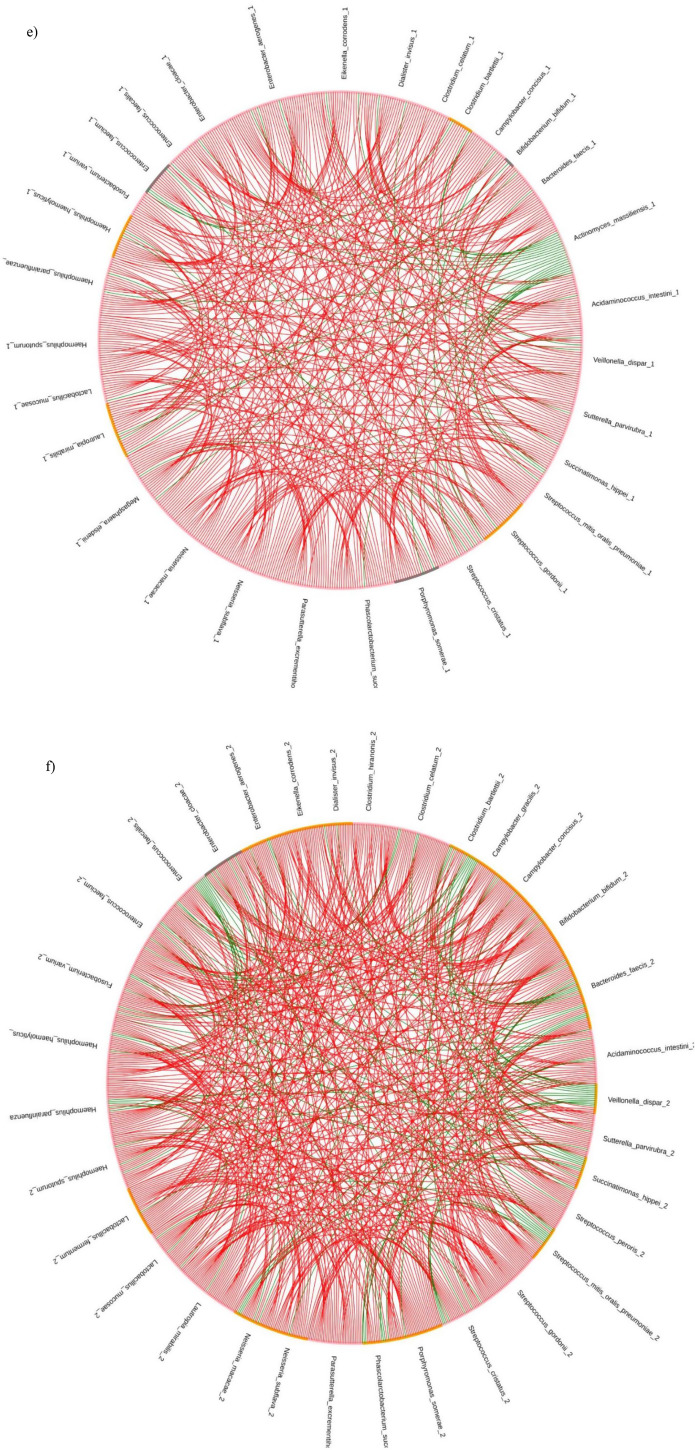
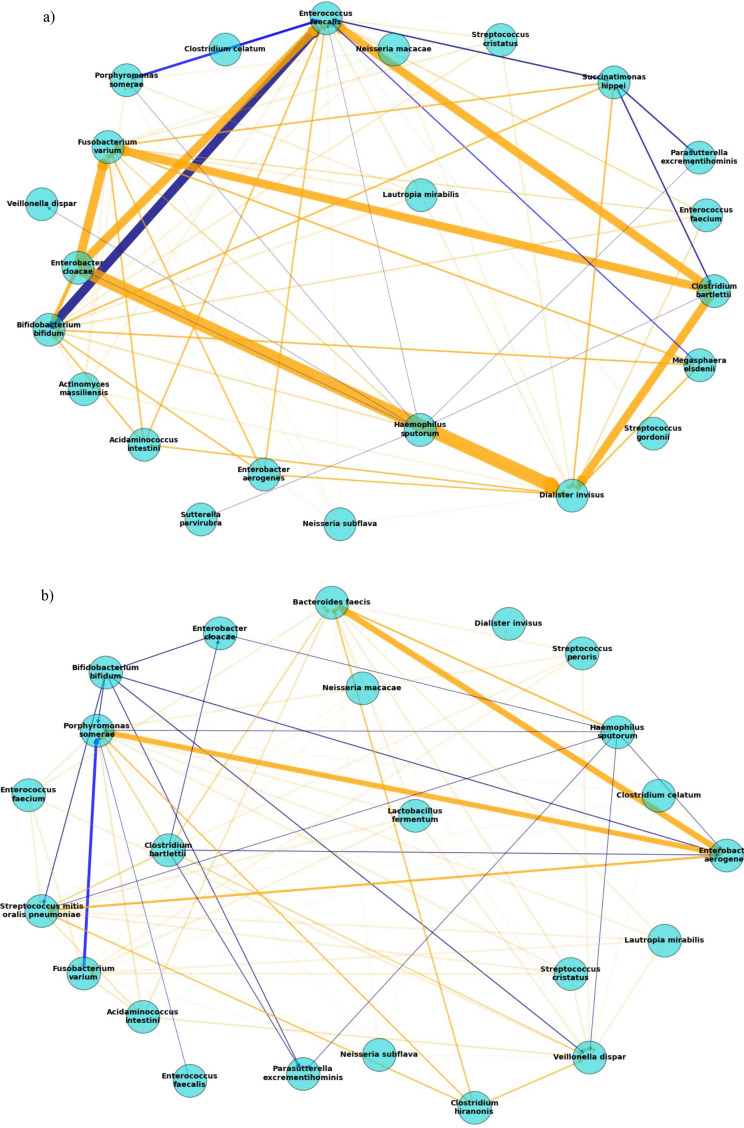
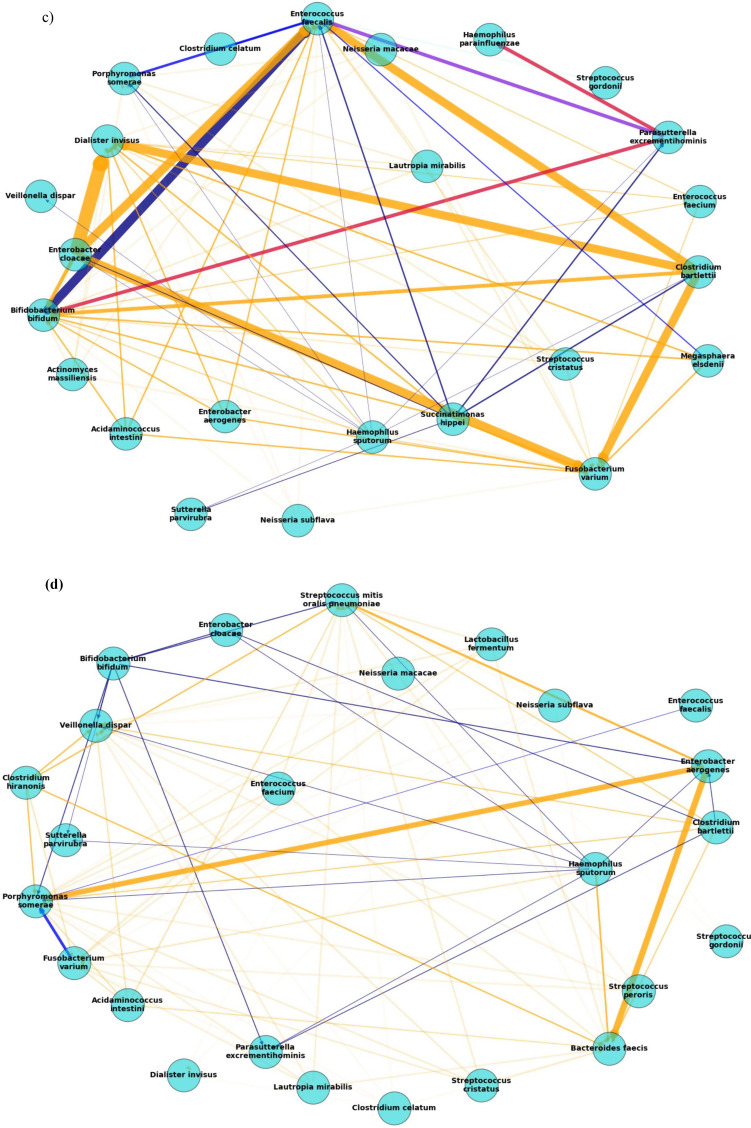
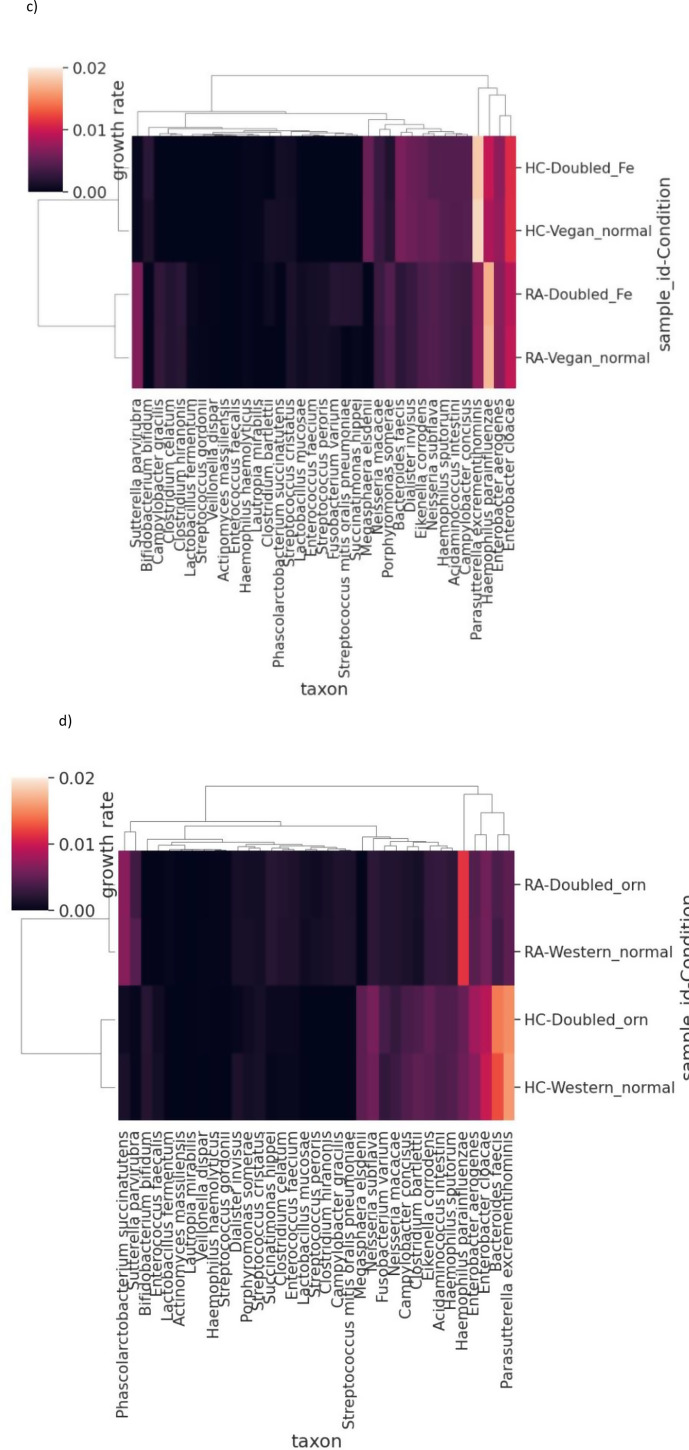
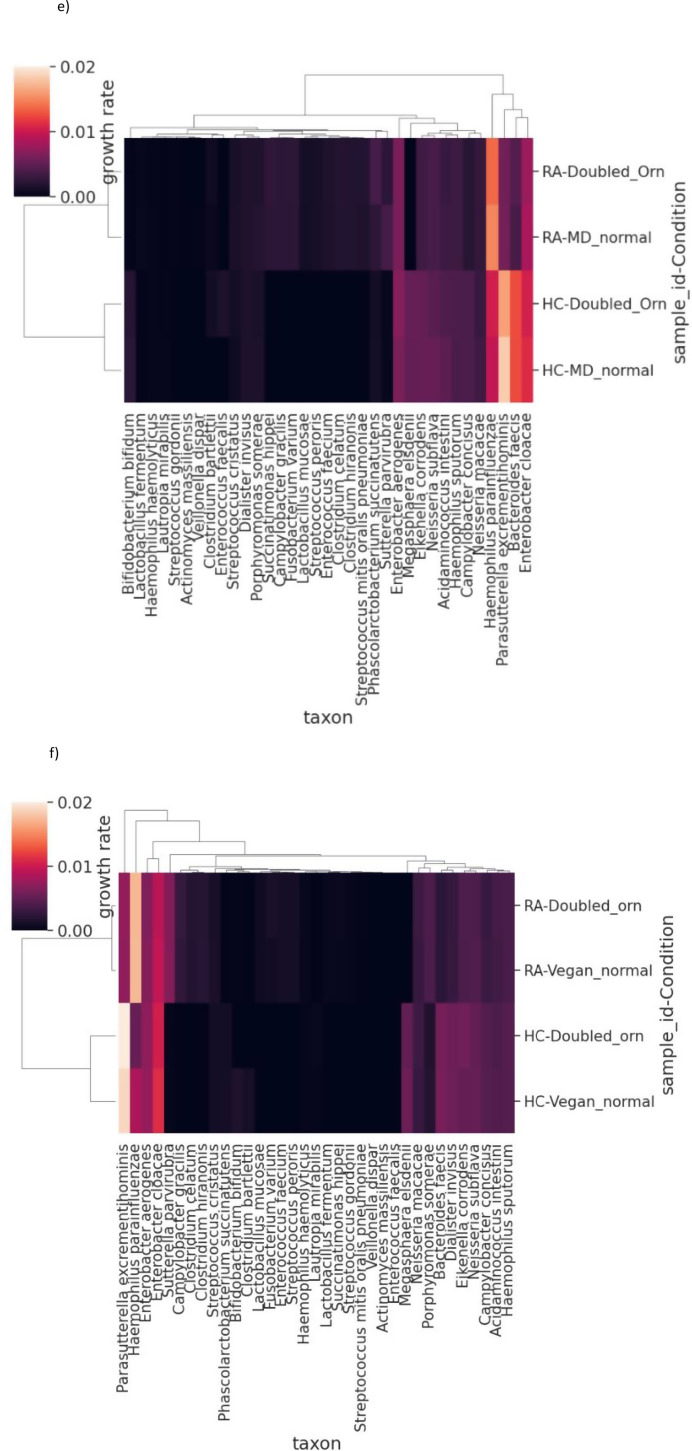
Rheumatoid Arthritis (RA) is a chronic autoimmune disease that mostly breaks out at the joints. It further causes bone erosion and decreased life quality due to severe pain. Current drugs are mainly focused on reducing pain, but unable to terminate the disease progression. This study aims to determine the effect of diet types (Western, Vegan and Mediterranean) on RA progression. Some dietary supplements and drug administration (Huayu-Qiangshen-Tongbi formula or Leflunomide plus Methotrexate) in a six-month-period were also simulated to elucidate their effects on gut microbiota growth and exchange metabolite fluxes. The computational analyses showed that Haemophilus parainfluenzae had the highest growth rate in the RA community with the Western diet. Enterococcus faecalis was the most notable bacterial species considering butyrate exchange rates without any dependency on the diet; however diet type became important for Clostridium celatum for acetate and formate exchanges. Focal interactions for RA communities signify Mediterranean diet had the most homogeneous exchange flux distribution. With iron and ornithine supplementation, Clostridium celatum outshined the rest of the bacteria in the RA community with the potential being an RA biomarker. The Mediterranean diet could be studied further for drug administration studies since the bacterial species under this diet exhibited different outputs. In the near future, by utilizing the potential of the gut microbiota to be altered with diet, it might be possible to manipulate the progression of RA.
Keywords: Amino acids; Diet; Elasticity; Gut microbiota; Metabolite fluxes; Rheumatoid arthritis; SCFA.
© 2025. The Author(s).
Conflict of interest statement
Declarations. Ethics approval and consent to participate: Not applicable. This is a computational work; we only used data from published literature, which is freely and publicly accessible. Consent for publication: Not applicable. This is a computational work, we only used data from published literature, which is freely and publicly accessible. All authors of the manuscript have read and agreed to its content. Competing interests: The authors declare no competing interests.
Figures




References
-
- Rajilić-Stojanović M, Shanahan F, Guarner F, de Vos WM. Phylogenetic Analysis of Dysbiosis in Ulcerative Colitis During Remission, Inflamm. Bowel Dis., vol. 19, no. 3, pp. 481–488, Mar. 2013, 10.1097/MIB.0b013e31827fec6d - PubMed
LinkOut - more resources
Full Text Sources
