


Impact of gender, lunge direction, and fatigue on the lower limb biomechanics in badminton lunges
- PMID: 40601594
- PMCID: PMC12221096
- DOI: 10.1371/journal.pone.0327428
Impact of gender, lunge direction, and fatigue on the lower limb biomechanics in badminton lunges
Abstract
Background: The lunge is a crucial movement in badminton, influenced to different extents by factors such as lunge direction, fatigue, and gender. This study investigates the effects of these factors on lower limb biomechanics to inform strategies for injury prevention and performance optimization.
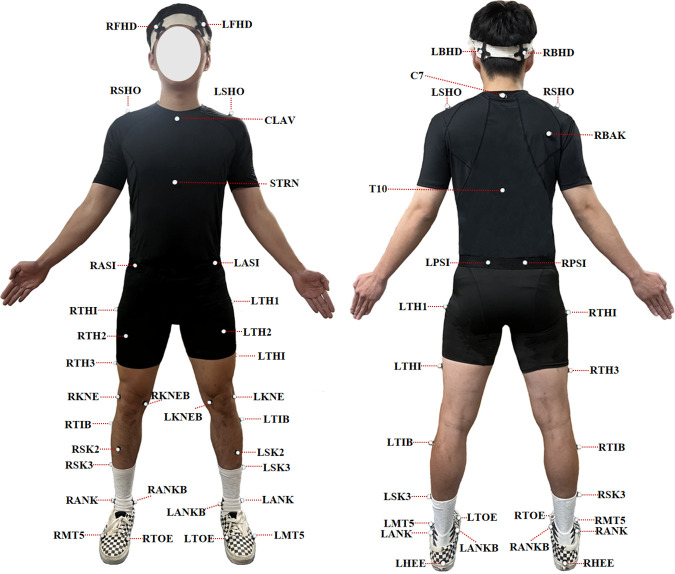
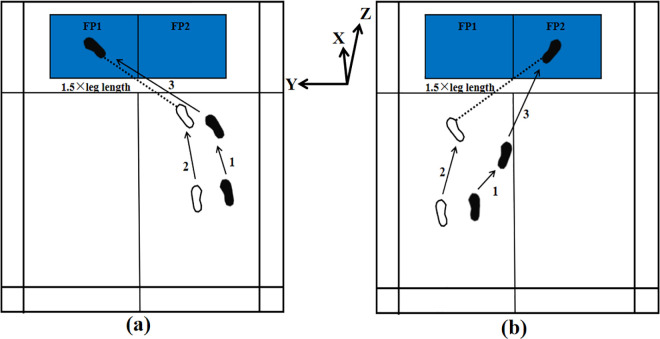
Methods: Twenty-four amateur badminton players (12 males, 12 females) performed forehand and backhand forward lunges under both fatigued and non-fatigued conditions. Lower limb kinematics and kinetics were recorded using an 8-camera Vicon system and two AMTI force plates. A three-way mixed-design ANOVA was conducted to examine the effects of gender, lunge direction, and fatigue on biomechanical variables.
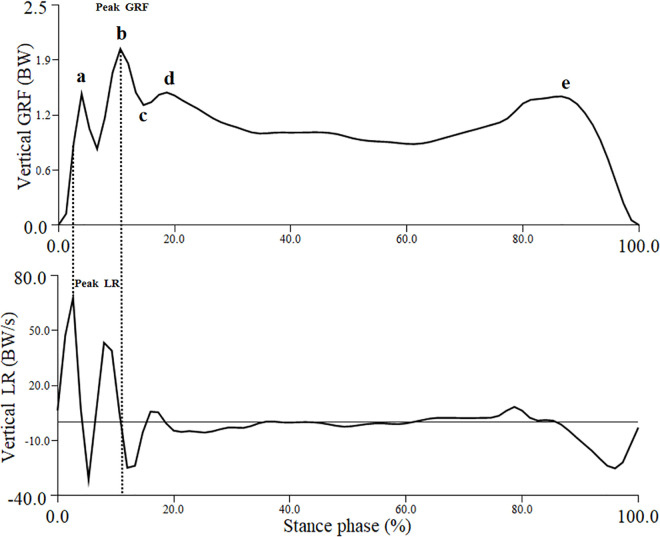
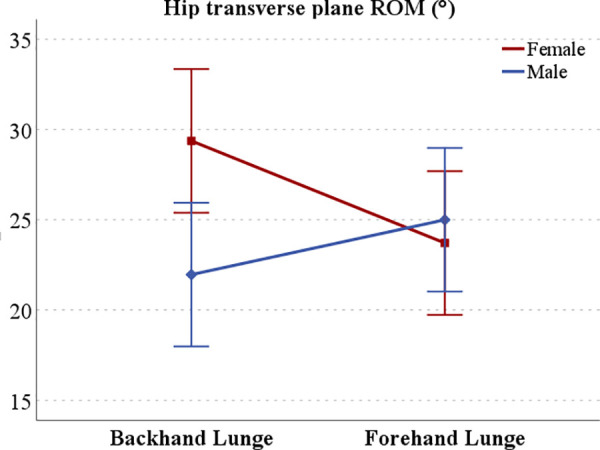
Results: Forehand lunges demonstrated significantly higher peak joint moments at the hip (extension and external rotation), knee (internal rotation), and ankle (adduction) than backhand lunges. Under fatigued conditions, participants exhibited reduced knee flexion angles and increased leg stiffness. Regarding gender differences, females showed significantly higher knee internal rotation moments and vertical ground reaction force, while males exhibited greater ankle inversion angles. The interaction between gender and lunge direction revealed that males had a significantly smaller hip range of motion in the transverse plane than females, whereas males had greater knee coronal plane range of motion in backhand lunges.
Conclusion: Lower limb movement strategies differ between forehand and backhand forward lunges, with backhand lunges potentially posing a greater risk of ankle injury. Fatigue reduces knee flexion and increases leg stiffness, which may elevate the load on the lower limbs. Gender differences also influence knee moments and ground reaction forces, with females experiencing higher loads. The interaction between gender and lunge direction revealed distinct movement patterns. Females may benefit from targeted hip and knee strengthening exercises to improve lunge performance and reduce injury risk.
Copyright: © 2025 Xie et al. This is an open access article distributed under the terms of the Creative Commons Attribution License, which permits unrestricted use, distribution, and reproduction in any medium, provided the original author and source are credited.
Conflict of interest statement
The authors have declared that no competing interests exist.
Figures
References
MeSH terms
LinkOut - more resources
Full Text Sources
Medical
