


Pathophysiological mechanisms of Postural Orthostatic Tachycardia Syndrome analyzed by means of hemodynamics
- PMID: 40601666
- PMCID: PMC12220990
- DOI: 10.1371/journal.pone.0327236
Pathophysiological mechanisms of Postural Orthostatic Tachycardia Syndrome analyzed by means of hemodynamics
Abstract
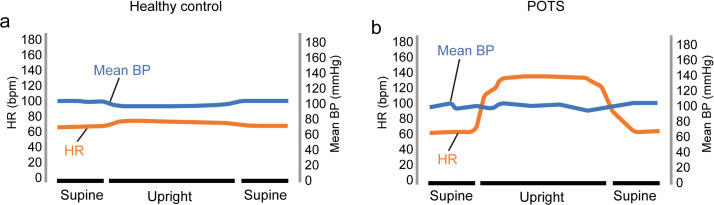
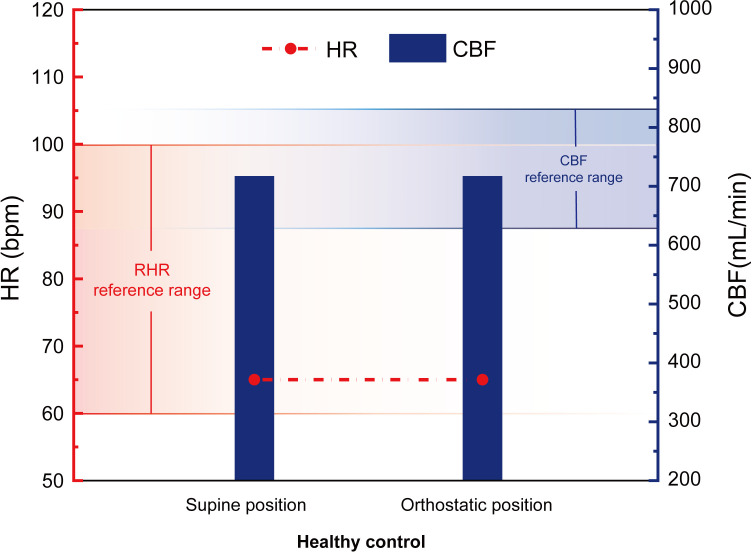
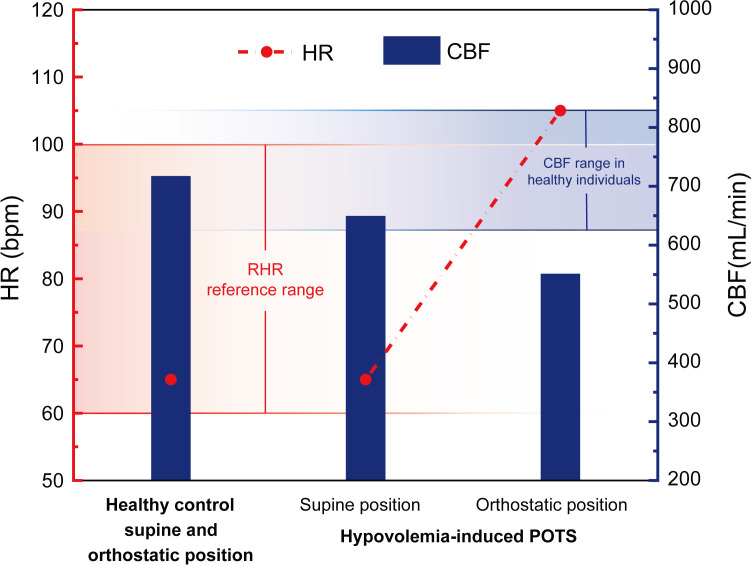
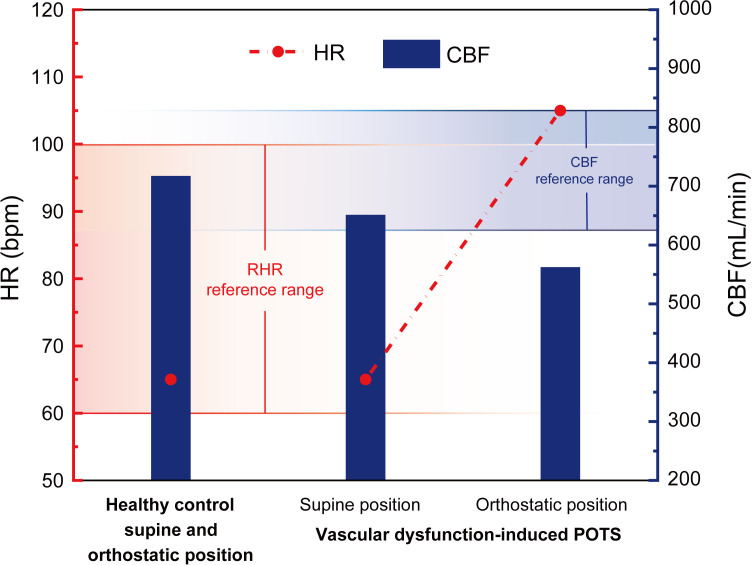
Postural Orthostatic Tachycardia Syndrome is characterized by an excessive increase in heart rate during postural changes without significant blood pressure alterations, often accompanied by symptoms such as dizziness, fatigue, and palpitations. While prior studies have explored potential mechanisms, the precise etiology and pathological basis of Postural Orthostatic Tachycardia Syndrome remain unclear, leading to treatments focused on symptom management rather than addressing root causes. This study employs a hemodynamic fluid-structure interaction model (using existing clinical data) to investigate the roles of hypovolemia, vascular dysfunction, and autonomic nervous system dysregulation in Postural Orthostatic Tachycardia Syndrome pathogenesis. Computational results revealed that hypovolemia reduces cerebral blood flow by approximately 100 mL/min due to a 30% decrease in blood volume, while vascular dysfunction-marked by a 50-100% increase in arterial stiffness-further diminishes cardiac output and cerebral perfusion. These conditions trigger compensatory tachycardia through autonomic feedback mechanisms. Our findings demonstrate that an insufficient cerebral blood supply, driven by hypovolemia and impaired vascular compliance, combined with autonomic dysregulation, underlies the hallmark tachycardia in Postural Orthostatic Tachycardia Syndrome. This mechanistic insight provides a foundation for targeted therapeutic strategies, emphasizing the need to address blood volume management, vascular elasticity, and autonomic balance to improve clinical outcomes.
Copyright: © 2025 Wei et al. This is an open access article distributed under the terms of the Creative Commons Attribution License, which permits unrestricted use, distribution, and reproduction in any medium, provided the original author and source are credited.
Conflict of interest statement
The authors have declared that no competing interests exist.
Figures
References
-
- Sheldon RS, Grubb BP 2nd, Olshansky B, Shen W-K, Calkins H, Brignole M, et al. 2015 heart rhythm society expert consensus statement on the diagnosis and treatment of postural tachycardia syndrome, inappropriate sinus tachycardia, and vasovagal syncope. Heart Rhythm. 2015;12(6):e41–63. doi: 10.1016/j.hrthm.2015.03.029 - DOI - PMC - PubMed
-
- Low PA, Sandroni P. Postural tachycardia syndrome (POTS) – science direct. Primer ANS. 2012:517–9. doi: 10.1016/b978-0-12-386525-0.00106-2 - DOI
MeSH terms
LinkOut - more resources
Full Text Sources
