


Characterization of Neurensin-2 knockout mice: insights into stress-resilience mechanisms
- PMID: 40603293
- PMCID: PMC12223177
- DOI: 10.1038/s41398-025-03448-7
Characterization of Neurensin-2 knockout mice: insights into stress-resilience mechanisms
Abstract
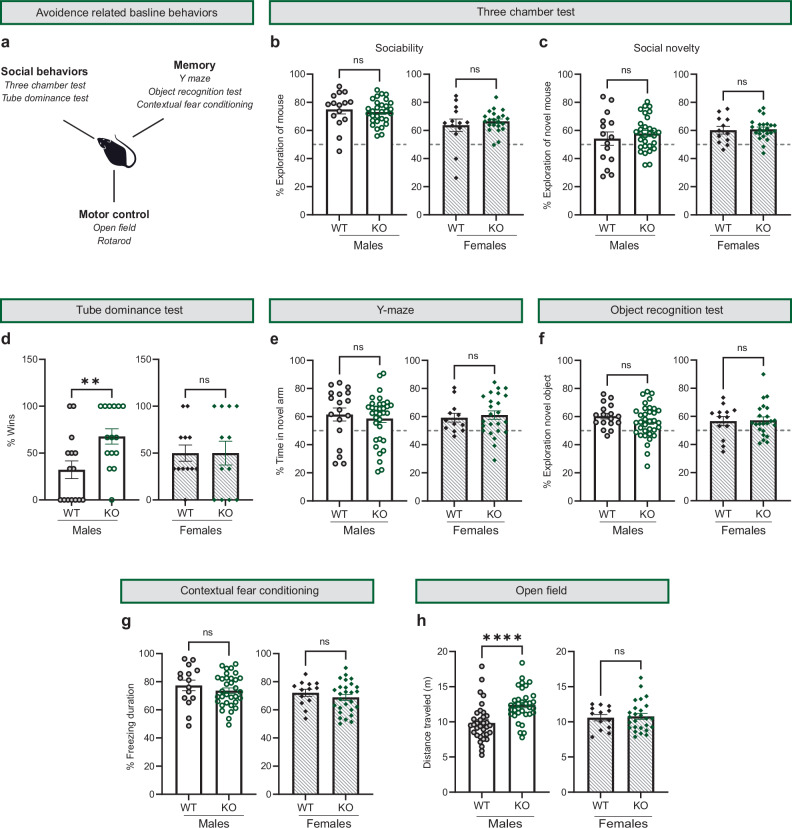
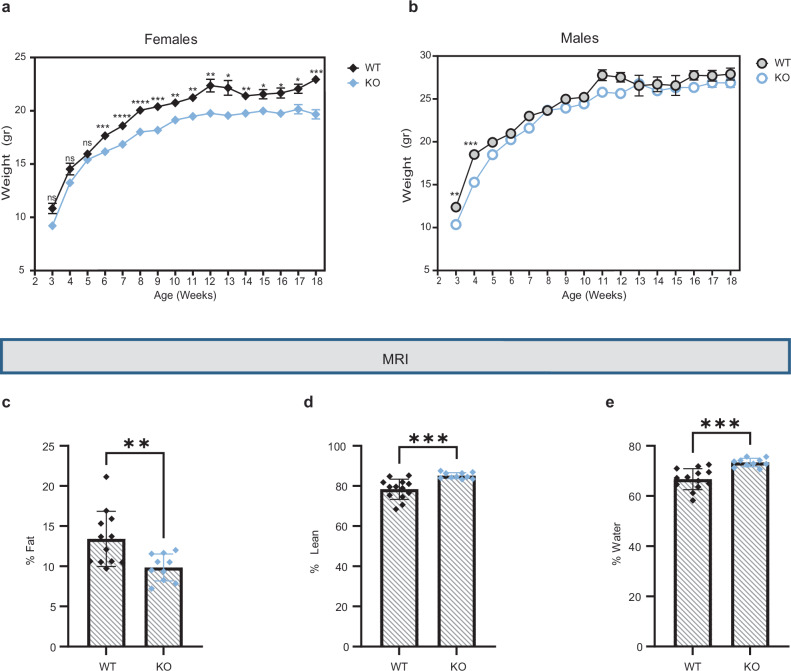
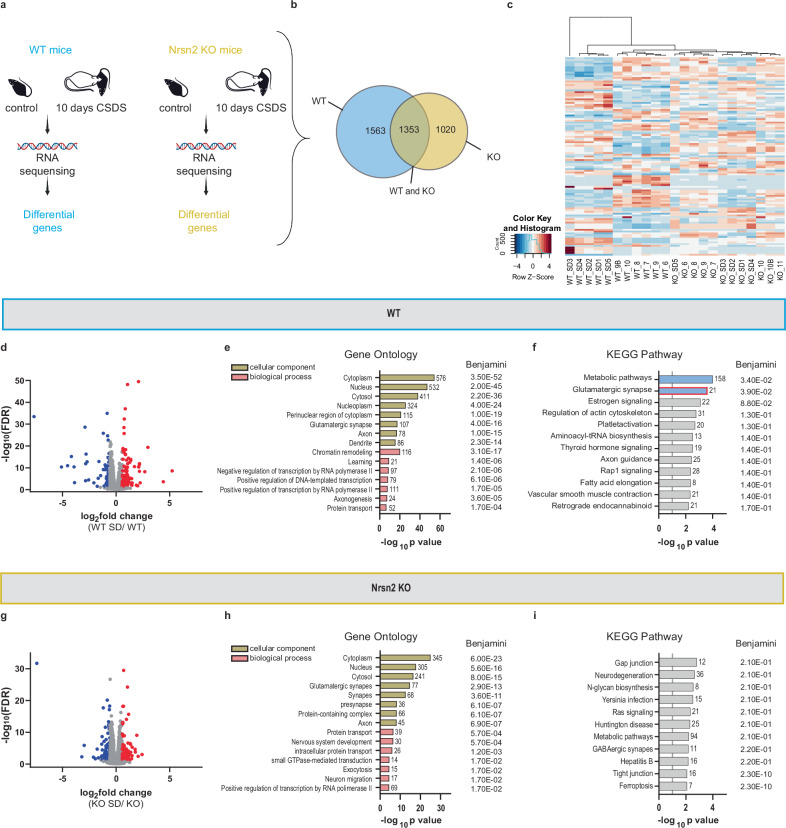
Major depressive disorder (MDD) affects millions worldwide, yet its pathophysiology remains poorly understood. While some individuals are susceptible to developing depression, others show resilience that protects them from developing MDD. Understanding the resilience-associated mechanisms will likely result in novel therapies for MDD. We have recently reported that the vesicular protein Neurensin-2 mediates depression and that its deletion confers profound resilience to chronic stress. Nonetheless, the behavioral and molecular adaptations that underlie the stress resilience in Neurensin-2 knockout mice are still unknown. In this study, we aimed to comprehensively characterize the basal behavioral effects of Neurensin-2 deletion in mice. We used Neurensin-2 knockout male and female mice to examine how Neurensin-2 deletion affects cognitive, emotional, and motor performance in mice. In addition, we examined the impact of Neurensin-2 deletion on body weight, analyzed the stress-induced molecular changes, and tested how these changes affect the excitatory/inhibitory balance. We found that while Neurensin-2 deletion confers basal anxiolysis and weight reduction, no discernible cognitive, social, or motor impairments were detected. Furthermore, we found that Neurensin-2 knockout mice have impaired hippocampal inhibitory transmission, which is resilient to the stress-evoked excitatory/inhibitory imbalance seen in wild-type mice. Our findings suggest that Neurensin-2 deletion confers basal anxiolysis, and shifts the hippocampal excitatory/inhibitory balance. These effects are not accompanied by impaired cognitive function or weight gain. Thus, we suggest Neurensin-2 inhibition as an exciting potential strategy for developing treatments for depression and anxiety disorders as well as for promoting stress resilience.
© 2025. The Author(s).
Conflict of interest statement
Competing interests: The authors declare no competing interests.
Figures


References
-
- World Health Organisation. Depression and Other Common Mental Disorders: Global Health Estimates. Geneva; 2017
MeSH terms
Grants and funding
LinkOut - more resources
Full Text Sources
Medical
