


Vitamin D status and risk for breast cancer in Kenya
- PMID: 40611326
- PMCID: PMC12224571
- DOI: 10.1186/s41043-025-00874-7
Vitamin D status and risk for breast cancer in Kenya
Abstract
Background: Vitamin D plays a critical role in bone metabolism, calcium regulation, and various cellular processes, including those linked to cancer. The biologically active form, 1,25-dihydroxyvitamin D [1,25(OH)2D], works through the Vitamin D Receptor (VDR). Polymorphisms in VDR and related genes have been associated with cancer risk, including breast cancer. This case-control study aimed to investigate the relationship between serum vitamin D levels and breast cancer among Kenyan women.
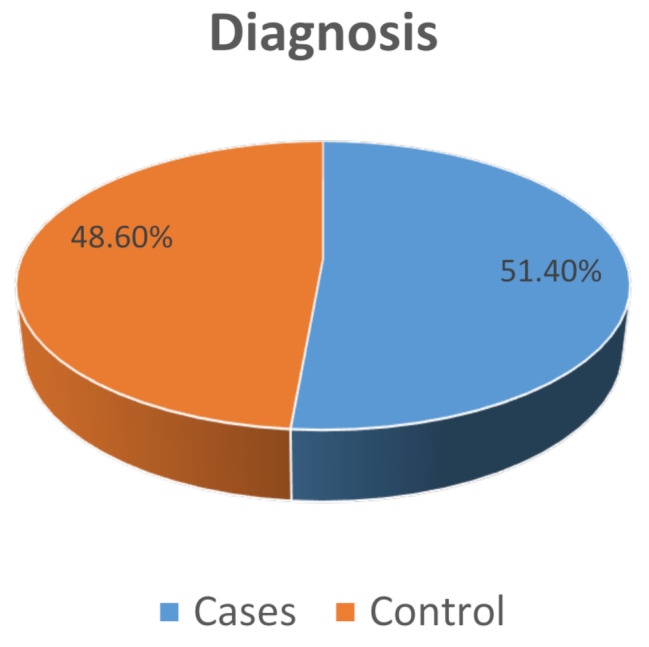
Methods: Serum 25-hydroxyvitamin D [25(OH)D] levels were measured in 112 breast cancer patients and 106 controls using electrochemiluminescence.
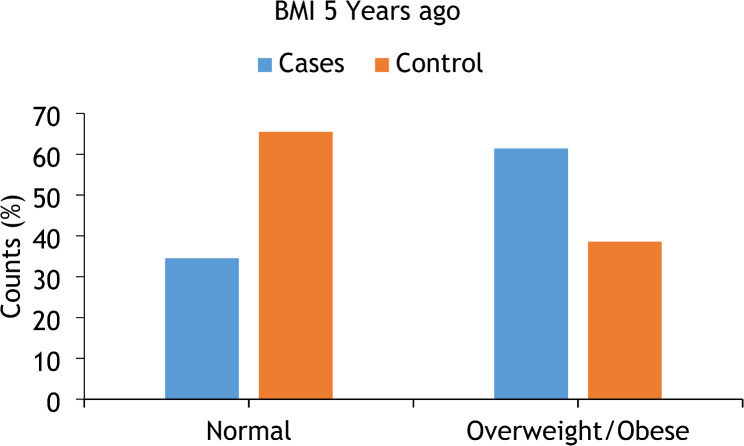
Results: Results indicated that 81.2% of participants had deficient or insufficient vitamin D levels, with controls showing slightly higher sufficient levels compared to cases. Although previous studies suggested an association between higher vitamin D levels and reduced breast cancer risk, our findings revealed no significant link between vitamin D levels and various demographic factors, including BMI.
Conclusion: The study underscores the need for public awareness about vitamin D supplementation and further research to clarify the role of vitamin D in breast cancer development, particularly in populations with widespread vitamin D deficiency.
Keywords: Breast cancer; Vitamin D.
© 2025. The Author(s).
Conflict of interest statement
Declarations. Ethics approval and consent to participate: This study was reviewed and approved by Aga Khan University Ethical Review Committee (ISERC) (Ref No: 2018/Rec-82(v3)) and the KNH-UoN Ethics and Research Committee (Ref No: KNH-ERC/A/378). The study adhered to ethical guidelines throughout its implementation. The research was conducted in accordance with the Declaration of Helsinki (2013), which outlines ethical principles for medical research involving human participants. All participants provided written informed consent before inclusion in the study. For participants unable to provide consent, proxy consent was obtained from legal guardians, as approved by the ethics committee. All data were anonymized to protect participants’ confidentiality and privacy. Personal identifiers were stored separately from the research data and accessed only by authorized personnel. Consent for publication: Not applicable. Competing interests: The authors declare no competing interests.
Figures

References
-
- El-Shorbagy HM, Mahmoud NH, Sabet S. Association of vitamin D receptor gene polymorphisms with breast cancer risk in an Egyptian population. Tumor Biology. 2017;39(10):1010428317727738. - PubMed
-
- Shaikh F, Baig S, Jamal Q. Do VDR gene polymorphisms contribute to breast cancer? Asian Pac J Cancer Prev. 2016;17(2):479–83. - PubMed
-
- Scott A, Ejikeme CS, Clottey EN, Thomas JG. Obesity in sub-Saharan Africa: development of an ecological theoretical framework. Health Promot Int. 2013;28(1):4–16. - PubMed
-
- Voutsadakis IA. Vitamin D baseline levels at diagnosis of breast cancer: a systematic review and meta-analysis. Hematol Oncol Stem Cell Ther. 2021;14(1):16–26. - PubMed
MeSH terms
Substances
LinkOut - more resources
Full Text Sources
Medical
