


Benzodiazepines interfere with the efficacy of pembrolizumab-based cancer immunotherapy. Results of a nationwide cohort study including over 50,000 participants with advanced lung cancer
- PMID: 40613596
- PMCID: PMC12233713
- DOI: 10.1080/2162402X.2025.2528955
Benzodiazepines interfere with the efficacy of pembrolizumab-based cancer immunotherapy. Results of a nationwide cohort study including over 50,000 participants with advanced lung cancer
Abstract
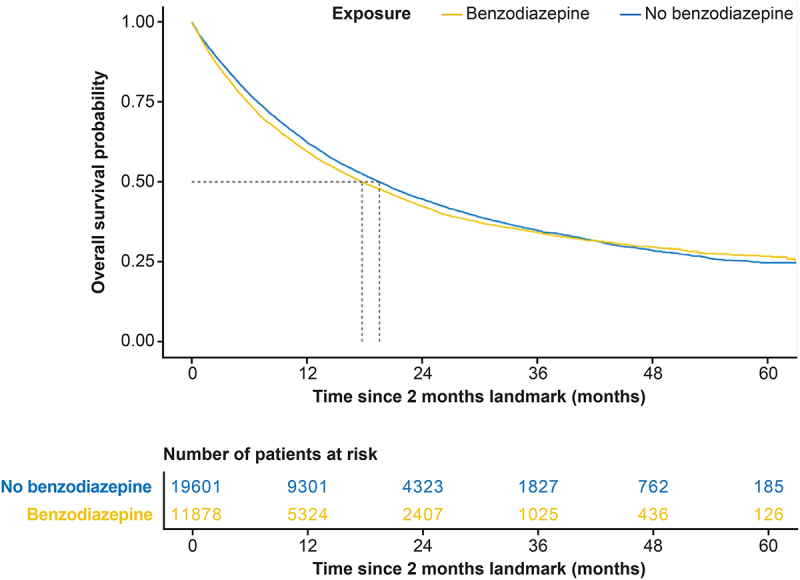
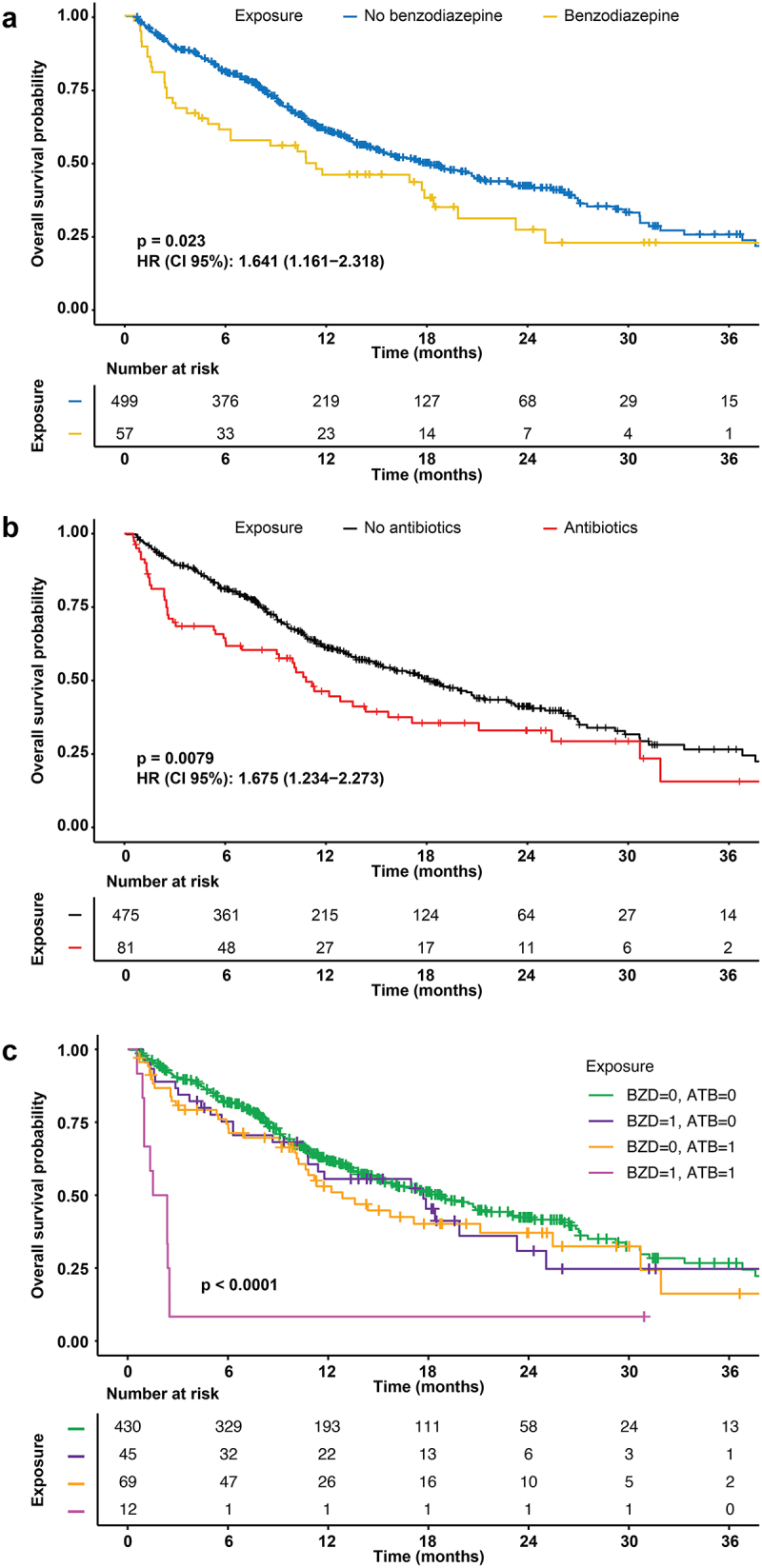
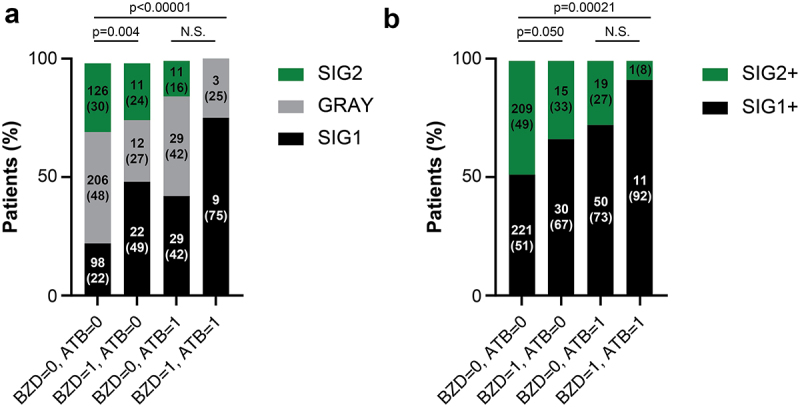
We previously reported that elevated levels of diazepam binding inhibitor (DBI), also called 'endozepine' because it acts as an endogenous benzodiazepine equivalent on the gamma-aminobutyric acid type A receptor, constitutes a potential risk factor for the diagnosis of non-small cell lung cancer (NSCLC). Antibody-mediated neutralization of DBI improved the immunosurveillance of NSCLC in preclinical models with and without immunotherapy targeting programmed cell death protein 1 (PD-1). A pilot study in a small French-Canadian cohort (n = 205) suggested that benzodiazepine (BZD) use correlates with reduced progression-free survival in NSCLC patients receiving PD-1/PD-L1 blockade. Here, we report a retrospective analysis of the nation-wide French registry of advanced NSCLC patients treated with pembrolizumab. Among the eligible NSCLC patients surviving ≥2 months after treatment initiation (n = 31,479), 37.7% (n = 11,878) received at least two prescriptions of benzodiazepines within 90 days before to 30 days after treatment initiation. Compared to non-users (n = 19,601), BZD users had significantly reduced overall survival (hazard ratio = 1.08, 95% CI: 1.04-1.12, p < 0.001), an effect that persisted after correction using inverse probability of treatment weighting (IPTW) on sociodemographic, clinical, oncologic, and comedication variables. In a subset of 556 patients from the ONCOBIOTICS study, benzodiazepine use was associated with signs of intestinal dysbiosis and alterations in the TOPOSCORE, a prognostic marker linked to poorer outcomes in cancer patients receiving immunotherapy. We conclude that benzodiazepine use may be an independent negative prognostic factor for NSCLC patients under pembrolizumab-based immunotherapy. Future studies must determine whether withdrawal of benzodiazepines or neutralization of DBI improves the clinical response to immunotherapy.
Keywords: ACBP; NSCLC; acyl CoA binding protein; benzodiazepines; lung adenocarcinoma; lung squamous carcinoma; psychotropic agents.
Conflict of interest statement
LZ has held research contracts with Glaxo Smyth Kline, Incyte, Lytix, Kaleido, Innovate Pharma, Daiichi Sankyo, Pileje, Merus, Transgene, 9 m, Tusk and Roche, was on the on the Board of Directors of Transgene, is a cofounder of everImmune, and holds patents covering the treatment of cancer and the therapeutic manipulation of the microbiota. The funders had no role in the design of the study, in the writing of the manuscript, or in the decision to publish the results. BB received
Figures
References
MeSH terms
Substances
LinkOut - more resources
Full Text Sources
Medical
Research Materials
