


Advanced Nanomedicines for Treating Refractory Inflammation-Related Diseases
- PMID: 40619552
- PMCID: PMC12229986
- DOI: 10.1007/s40820-025-01829-7
Advanced Nanomedicines for Treating Refractory Inflammation-Related Diseases
Abstract
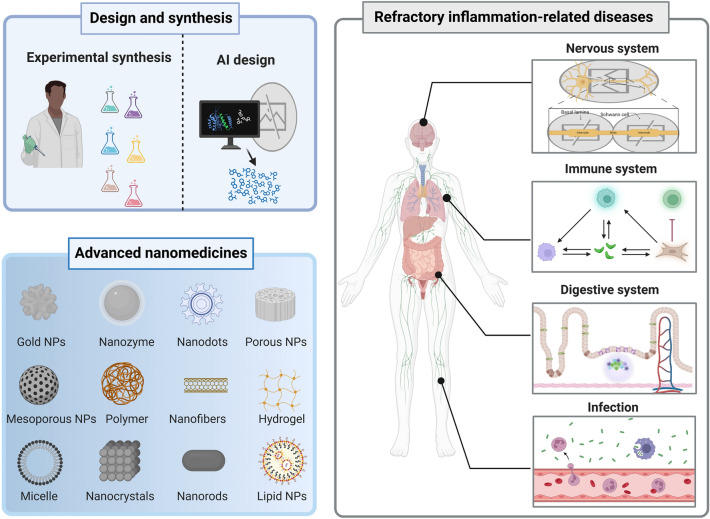
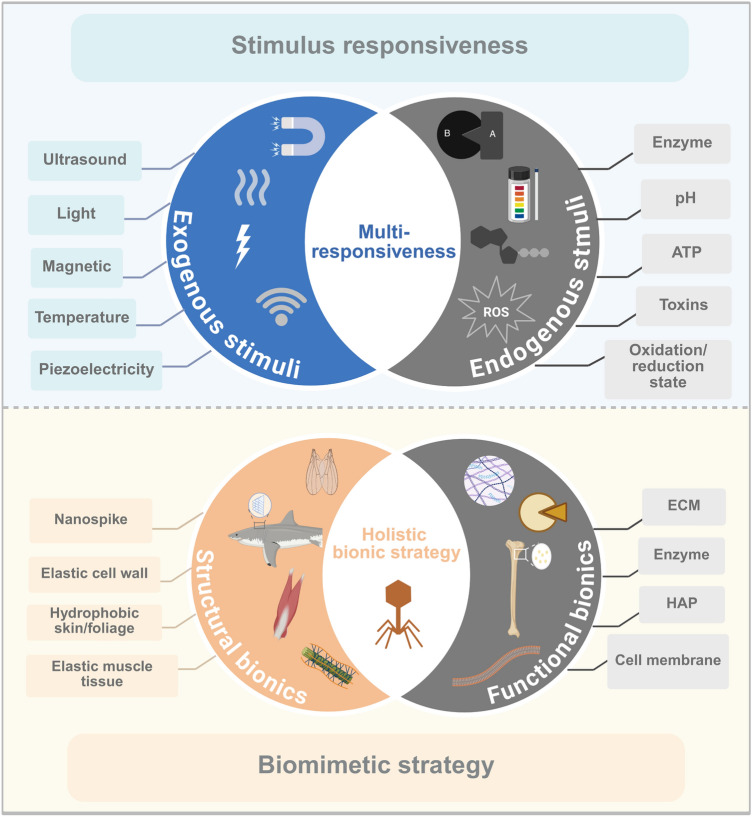
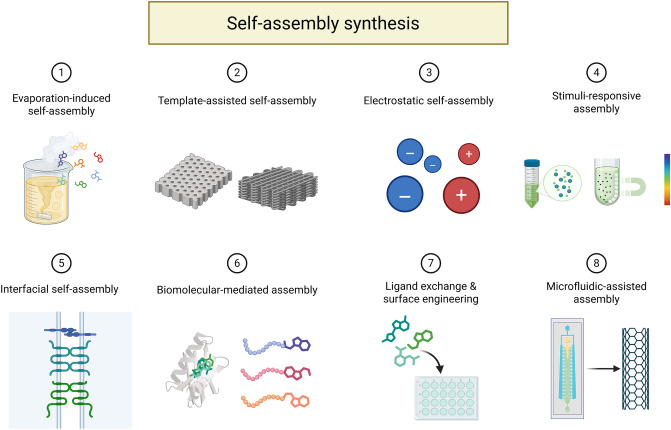
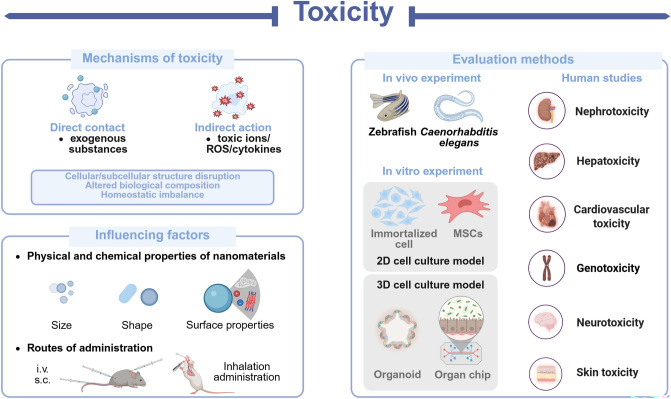
This review examines inflammation as a physiological defense mechanism against infectious agents, physical trauma, reactive oxygen species (ROS), and metabolic stress, which, under dysregulated conditions, may progress into chronic diseases. Nanomedicine, which integrates nanotechnology with medicine, suppresses inflammatory signaling pathways and overexpressed pro-inflammatory cytokines, such as ROS, to address inflammation-related pathologies. Current advances in nanomaterial design and synthesis strategies are systematically analyzed, with parallel discussions on toxicity mechanisms, influencing factors, and evaluation methods that are critical for clinical translation. Applications of functional nanomaterials are highlighted in the context of refractory inflammatory conditions, including wound healing, gastrointestinal disorders, and immune, neurological, or circulatory diseases, along with targeted delivery strategies. Persistent challenges in nanomedicine development, such as biocompatibility optimization, precise biodistribution control, and standardized toxicity assessment, are critically assessed. By bridging material innovation with therapeutic efficacy, this review establishes a framework for advancing nanomedicine to improve treatment outcomes while addressing translational barriers.
Keywords: Nanomedicine; Nanoparticles; Nanozymes; Pancatalysis; ROS scavenging.
© 2025. The Author(s).
Conflict of interest statement
Declarations. Conflict of interest: The authors declare no interest conflict. They have no known competing financial interests or personal relationships that could have appeared to influence the work reported in this paper.
Figures


References
Publication types
LinkOut - more resources
Full Text Sources