


The frequency, clinical characteristics and outcomes of Naja species related injuries in Malaysia consulted to Remote Envenomation Consultancy Services from 2020-2023
- PMID: 40623111
- PMCID: PMC12258597
- DOI: 10.1371/journal.pntd.0013271
The frequency, clinical characteristics and outcomes of Naja species related injuries in Malaysia consulted to Remote Envenomation Consultancy Services from 2020-2023
Abstract
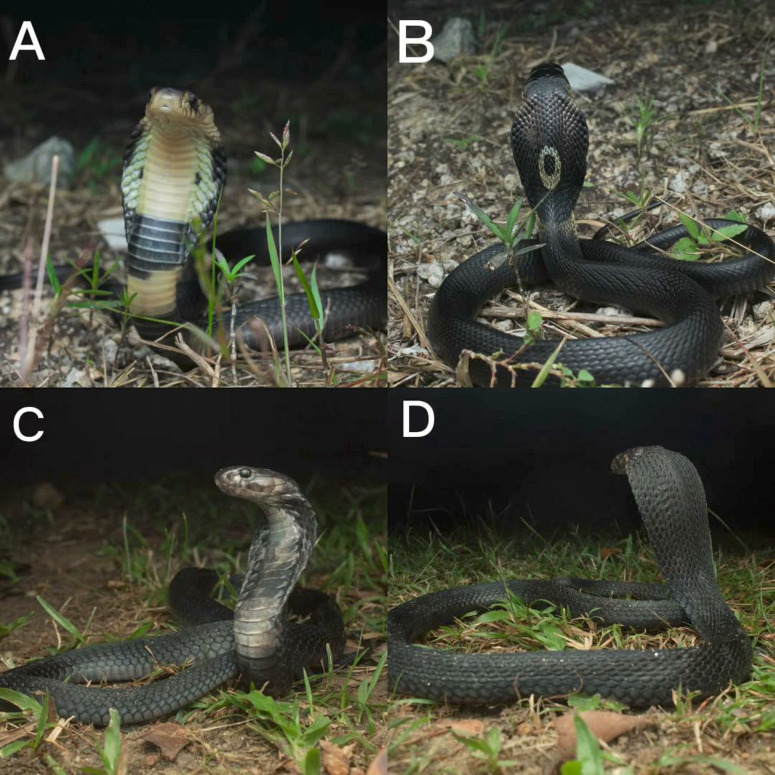
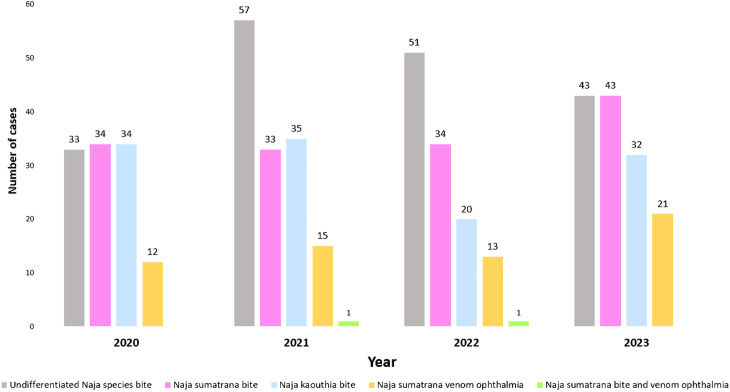
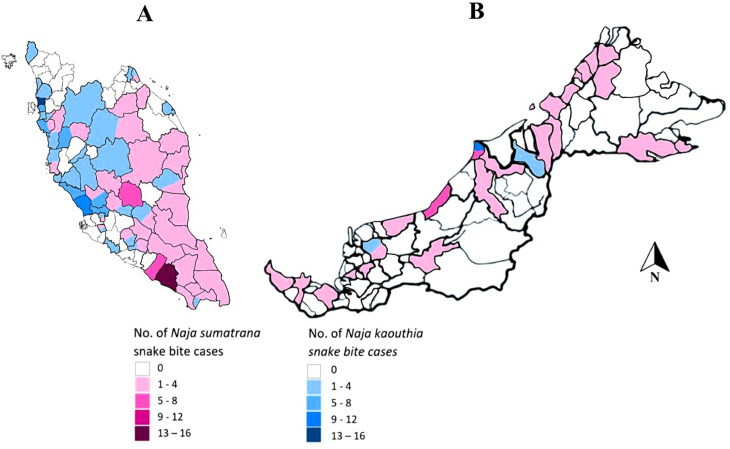
Naja species bites and envenomation are common in Malaysia. This is a retrospective cohort study of diagnosed Naja species cases consulted to Remote Envenomation Consultancy Services (RECS) from 2020 to 2023. This study aimed to identify the frequency, geographical distribution, clinical features, treatments, and outcomes of Naja species-related injuries. Data was extracted following the approval of the institutional research ethics committee and all patient's information were kept anonymous. From 4474 RECS consultations, 512 were diagnosed as caused by Naja species. Naja kaouthia cases were mostly from the northern and central Peninsular Malaysia, while Naja sumatrana was recorded nationwide. There were 184 (35.9%) cases diagnosed as undifferentiated Naja species bites, 144 (28.1%) N. sumatrana bites, 121 (23.6%) N. kaouthia bites, 61 (11.9%) venom ophthalmia and 2 (0.4%) involved bites and venom ophthalmia from N. sumatrana. The mean age was 36.2 years old (SD ± 20.7), and 69.9% were male. The median bite to door time was 1 h (IQR: 0-2 h). The most frequent anatomical region involved was the lower limb (52.1%). Local envenomation is the commonest manifestation (n = 366, 81.2%). Pain (n = 386) and swelling (n = 310) were frequent signs of local envenomation, while vomiting (n = 54) and ptosis (n = 37) were commonest signs of systemic envenoming. Antivenom was administered in 157 (30.7%) cases and 78.3% were Thai Red Cross Cobra antivenom. The median time interval for door to receiving the first dose of antivenom was 12 h (IQR: 5.5-14.5 h). Surgical intervention was performed in 53 (11.8%) cases, mostly were for wound debridement. Four deaths were documented and were due to secondary complications. No antivenom usage, morbidity or death following venom ophthalmia incident. These findings highlight the importance of expert support for healthcare professionals for early clinical decision-making to reduce complications and enhance outcomes.
Copyright: © 2025 Ismail et al. This is an open access article distributed under the terms of the Creative Commons Attribution License, which permits unrestricted use, distribution, and reproduction in any medium, provided the original author and source are credited.
Conflict of interest statement
The authors have declared that no competing interests exist.
Figures
References
-
- Warrell DA. Snakebite. Lancet. 2010;375(9708):77–88. - PubMed
-
- Wallach V, Wüster W, Broadley DG. In praise of subgenera: taxonomic status of cobras of the genus Naja Laurenti (Serpentes: Elapidae). Zootaxa. 2009;2236(1). doi: 10.11646/zootaxa.2236.1.2 - DOI
-
- Hijas NH, Abdul Halim N, Ismail AK. The venomous snake species most frequently causing injuries in Malaysia from 2017 to 2019. Conservation Malaysia. 2020;32:6–8. https://www.frim.gov.my
-
- Ismail AK, Teo EW, Das I. Land snakes of medical significance in Malaysia. 3rd ed. Malaysia: Malaysia Biodiversity Information System (MyBIS). 2017.
MeSH terms
Substances
LinkOut - more resources
Full Text Sources
