


The mediating and moderating effects of mindfulness and emotional intelligence on the emotional labor strategies and career resilience of tourism employees
- PMID: 40624042
- PMCID: PMC12234703
- DOI: 10.1038/s41598-025-07078-3
The mediating and moderating effects of mindfulness and emotional intelligence on the emotional labor strategies and career resilience of tourism employees
Abstract
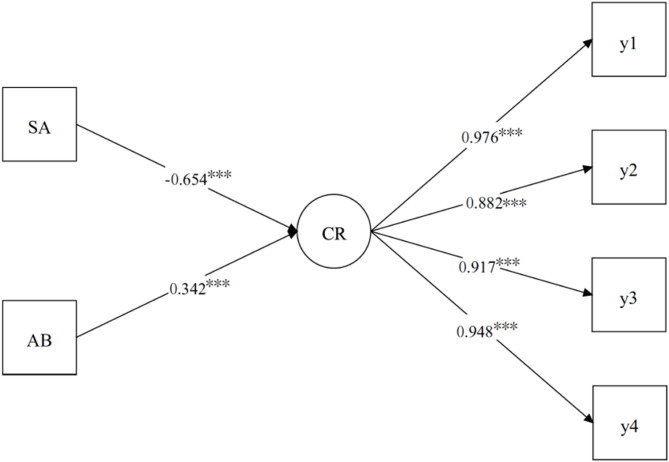
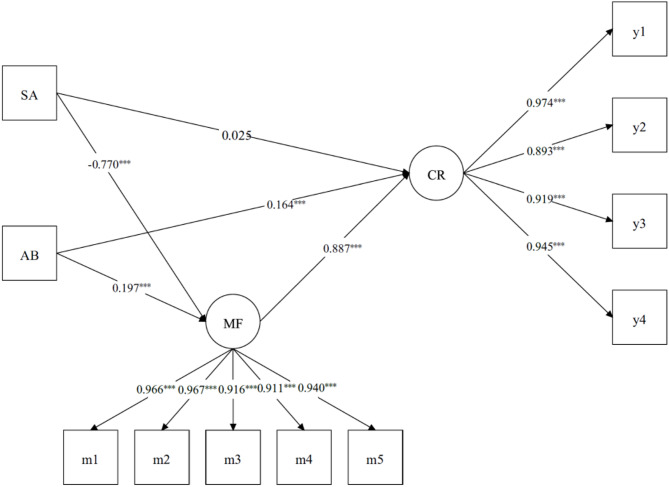
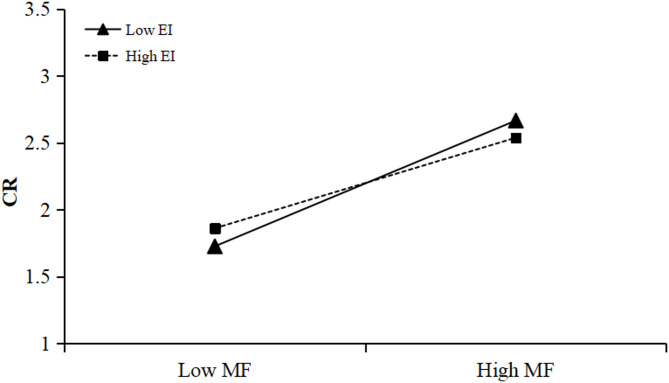
This study explores the role of emotional labor strategies among Chinese tourism employees in communication contexts, with a focus on mindfulness as a mediating variable and emotional intelligence as a moderating variable, to explore how the two affect tourism employees' career resilience. A survey was conducted among 1479 tourism employees using the Career Resilience Scale, Emotional Labor Strategies Scale, Five Facet Mindfulness Questionnaire, and Emotional Intelligence Scale. SPSS 26.0 MPLUS 8.3 were used for data statistical analysis. The results found that (1) there is a significant correlation between the research variables; (2) surface acting behavior has a significant negative predictive effect on mindfulness, while authentic behavior has a significant positive predictive effect on both mindfulness and career resilience; Mindfulness can directly and positively predict career resilience. (3) Mindfulness serves as a mediating variable between authentic behavior and career resilience. (4) Emotional intelligence regulates the relationship between mindfulness and career resilience, enabling employees to be more sensitive to the emotions of others and effectively convey them. This study deepens the application of mindfulness and emotional intelligence in emotional labor strategies, and provides empirical evidence for improving the communication efficiency and work motivation of tourism employees.
Keywords: Career resilience; Emotional intelligence; Emotional labor strategies; Mediation analysis; Mindfulness.
© 2025. The Author(s).
Conflict of interest statement
Declarations. Competing interests: The authors declare no competing interests. Ethics statement: The survey questionnaire of this study is risk-free and does not involve any content that may cause physical, psychological, or economic harm to participants. Therefore, this study was approved by the Guangdong Meizhou Technician College, and all research was conducted in accordance with the revised Helsinki Declaration of 2013. Before the formal investigation begins, we clearly inform the participants of the purpose and process of participating in this study and obtain their informed consent. The questionnaire is anonymous to ensure that all responses from participants will only be used for statistical analysis, and the personal information of participants will be strictly protected from being leaked.
Figures
References
-
- UNWTO. Discussion Paper on the Occasion of the International Year of Sustainable Tourism for Development 2017 (2017).
-
- UNWTO. UNWTO Annual Report 2016 (2017).
-
- Cimbaljević, M. et al. Employees’ technology adoption in the context of smart tourism development: the role of technological acceptance and technological readiness. Eur. J. Innov. Manag. (2023).
MeSH terms
LinkOut - more resources
Full Text Sources
