


Comparative Risk Assessment in Hypertensive Patients With Metabolic Syndrome by Exploring Angiotensin-Converting Enzyme Inhibitors and Angiotensin II Receptor Blockers
- PMID: 40630368
- PMCID: PMC12237211
- DOI: 10.7759/cureus.85564
Comparative Risk Assessment in Hypertensive Patients With Metabolic Syndrome by Exploring Angiotensin-Converting Enzyme Inhibitors and Angiotensin II Receptor Blockers
Abstract
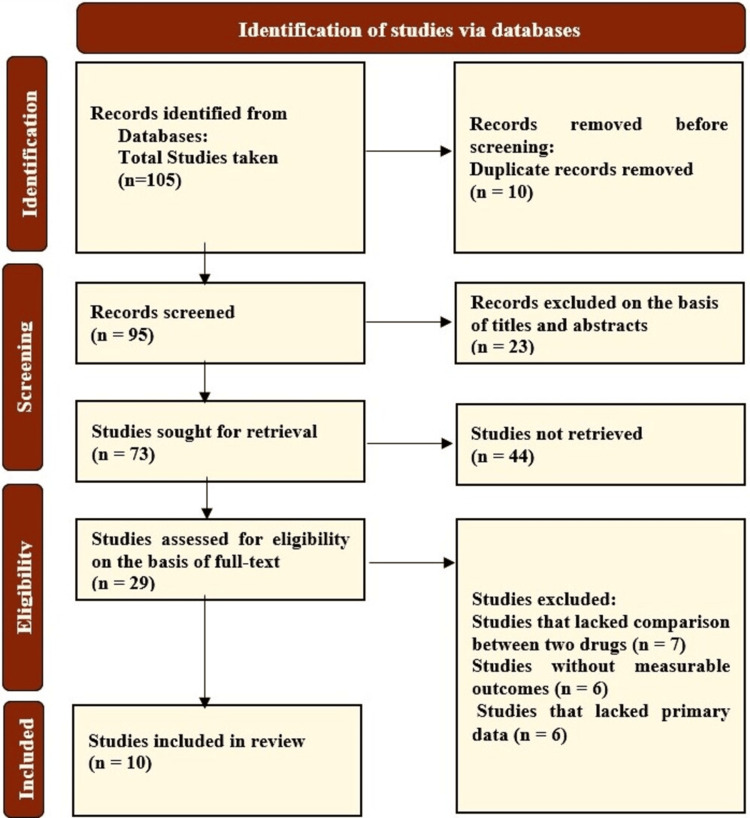
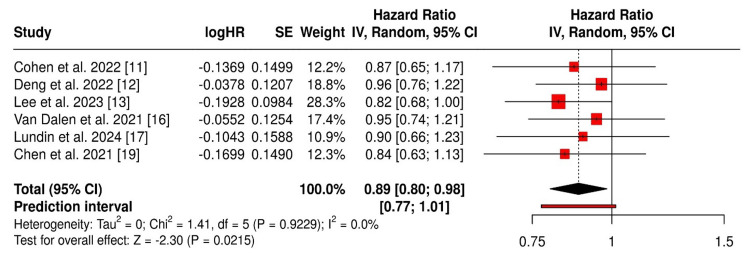
Cognitive impairment is a common clinical complication in patients with hypertension and metabolic syndrome. Angiotensin II receptor blockers (ARBs) and angiotensin-converting enzyme inhibitors (ACEIs) are common antihypertensive agents popularly used, but their relative effects on cognitive outcomes are ambiguous. The aim of this study was to compare the effect of ARB versus ACEI on cognitive decline in hypertensive patients with or at risk of metabolic syndrome. We performed a systematic review and meta-analysis based on the PRISMA 2020 guidelines. Searches were performed in PubMed, Embase, Scopus, and Web of Science up to April 2025. The review included studies with adults ≥50 years and trials comparing ARBs vs ACEIs, with the results involving cognitive outcomes. Studies of both cohorts and randomized controlled trials (RCTs) were eligible. Bias risk was analyzed using the Newcastle-Ottawa scale (version 2011) and Cochrane RoB 2.0. Random-effects meta-analysis was performed, and evidence was graded using GRADE (Grading of Recommendations, Assessment, Development, and Evaluations). Ten studies (six cohort studies, three prospective studies, one RCT) with over 6.5 million participants were included. Cognitive outcomes included mild cognitive impairment, dementia, and amyloid accumulation. ARBs were associated with an 11% lower risk of cognitive decline compared to ACEIs (HR: 0.89; 95% CI: 0.80-0.98; I² = 0%). Subgroup analysis showed that there were stronger effects for cognitive versus cardiovascular outcomes. Blood-brain barrier-penetrant ARBs provided additional benefits, particularly in APOE ε4 carriers. The overall certainty of evidence was moderate. In hypertensive patients, especially those meeting the criteria for metabolic syndrome, ARBs were linked with stronger cognitive protection than ACEIs. These observations encourage ARB use in those who were susceptible to cognitive decline, but additional trials are needed for confirmation.
Keywords: ace inhibitors; arbs; cognitive decline; dementia; hypertension.
Copyright © 2025, Khan et al.
Conflict of interest statement
Conflicts of interest: In compliance with the ICMJE uniform disclosure form, all authors declare the following: Payment/services info: All authors have declared that no financial support was received from any organization for the submitted work. Financial relationships: All authors have declared that they have no financial relationships at present or within the previous three years with any organizations that might have an interest in the submitted work. Other relationships: All authors have declared that there are no other relationships or activities that could appear to have influenced the submitted work.
Figures
References
Publication types
LinkOut - more resources
Full Text Sources
Miscellaneous