Review
. 2025 Oct 1;105(4):2501-2535.
doi: 10.1152/physrev.00053.2024. Epub 2025 Jul 10.

Recent advances in alcohol metabolism: from the gut to the brain

Affiliations
Review

Recent advances in alcohol metabolism: from the gut to the brain

Modan R Goldman et al. Physiol Rev. .

Abstract

Globally, alcohol is the most widely used psychoactive drug and a leading cause of premature death among individuals aged 15-49 years. Understanding the absorption, distribution, metabolism, and excretion of alcohol in the human body, otherwise known as alcohol pharmacokinetics, is essential for predicting its behavioral effects and toxic consequences. This review examines the evolutionary origins of alcohol consumption and metabolism, focusing on the activity of alcohol dehydrogenase enzymes across species, which serve as key catalysts in alcohol oxidation. It also highlights recent advances in understanding central alcohol metabolism and updates on the potential clinical significance of nonoxidative pathways of alcohol metabolism and endogenous alcohol production, particularly in the context of liver disease. In addition, the review inspects factors that modulate alcohol metabolism, including genetic polymorphisms, biological sex, food intake, women's reproductive status, and clinical interventions such as medications and metabolic surgeries. Understanding these sources of variability in alcohol metabolism is crucial for identifying individual risk factors and tailoring strategies to reduce alcohol-related harm. This comprehensive review offers a current perspective on alcohol pharmacokinetics, valuable insights into its implications for health, behavior, and potential innovative therapeutic targets.

Keywords: acetaldehyde dehydrogenase; alcohol dehydrogenase; bariatric surgery; genetic polymorphisms; lactation.


Conflict of interest statement

Conflicts of Interest: All authors declare no conflicts of interest. Theodore Koide and Vijay Ramchandani are affiliated with the NIH, and supported by the NIAAA intramural research program.

Figures

Figure 1.
Figure 1.. Modulators of first-pass metabolism (FPM) and their impact on ethanol bioavailability.
The FPM refers to the portion of ingested alcohol that is metabolized by enzymes (alcohol dehydrogenase (ADH) Class I-V, cytochrome P450, and catalase) in the gastrointestinal tract and the liver before entering the bloodstream. FPM increases (top yellow box), and as a result, bioavailability decreases when alcohol is consumed with food or drugs that delay gastric emptying or during breastfeeding. Conversely, FPM decreases (bottom yellow box), and bioavailability increases, when alcohol is consumed with non-competitive inhibitors of gastric ADH4, after gastric surgeries, in females compared to males, or in people with alcohol use disorder (AUD). Created with BioRender.com.
Figure 2.
Figure 2.. Pathways of ethanol elimination in the human body.
Once in the bloodstream, the majority (94–98%) of ethanol undergoes oxidative metabolism in the liver. Acetate can be oxidized in the liver or be shuttled out of the hepatocyte as a fuel source for other tissues (heart, muscle, brain). Non-oxidative metabolism accounts for less than 1%, producing metabolites such as fatty acid ethyl esters (FAEEs), phosphatidylethanol (PEth), and ethyl glucuronide/sulfate (EtG/EtS) in various organs. A small fraction (2–6%) of ethanol is excreted unchanged via breath (1–3%), urine (1–3%), and sweat (<0.2%), with implications for biomarker and diagnostic applications. Created with BioRender.com.
Figure 3.
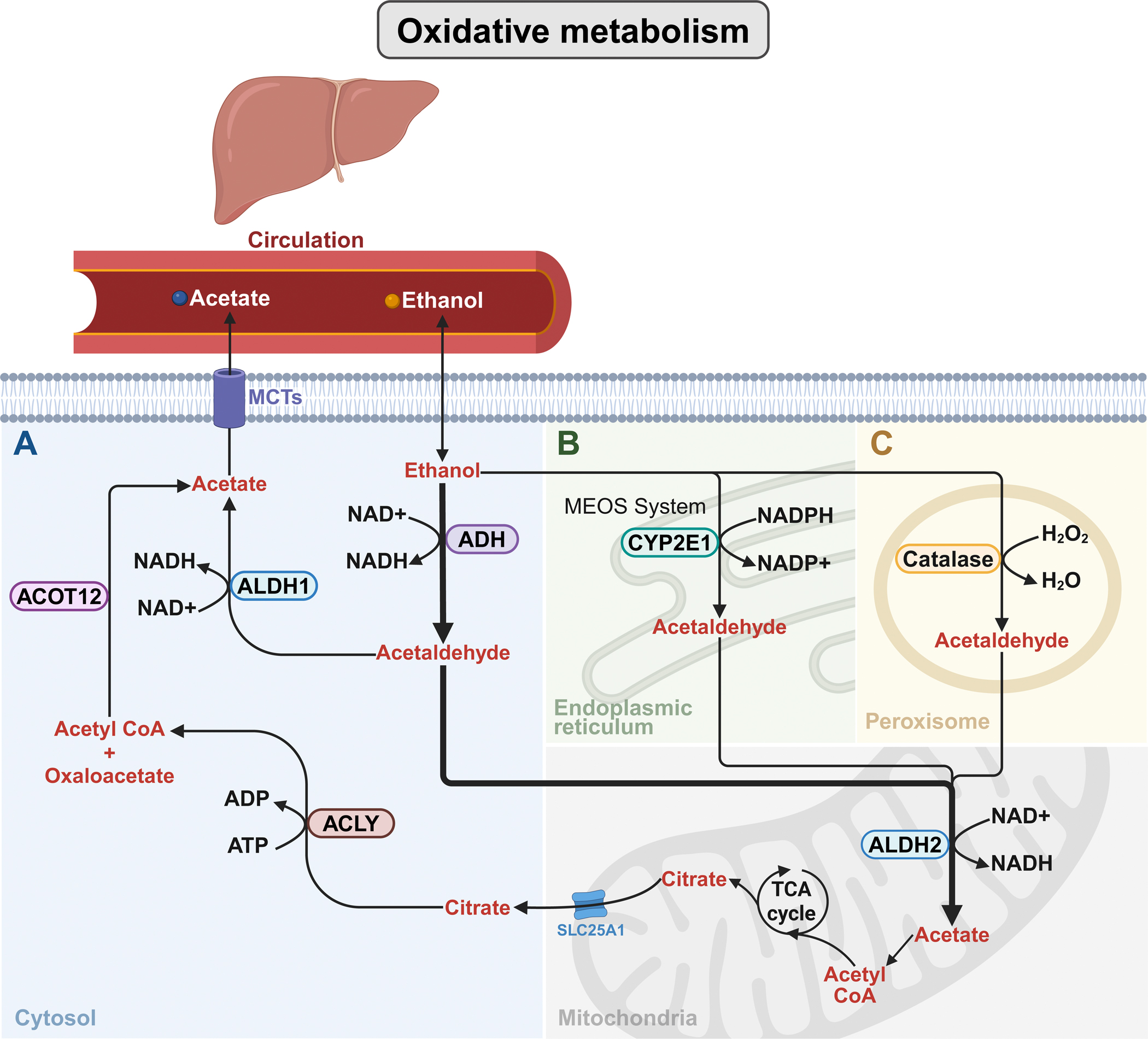
Figure 3.. Oxidative pathways of hepatic ethanol metabolism.
There are three enzymatic pathways involved in oxidative ethanol metabolism. A) Alcohol dehydrogenase (ADH) pathway, the primary pathway for hepatic ethanol metabolism: Ethanol is oxidized to acetaldehyde mainly by Class I ADH in the cytosol. Acetaldehyde is subsequently converted to acetate by aldehyde dehydrogenase 1 (ALDH1) in the cytosol or ALDH2 in the mitochondria. In the mitochondria, acetate is converted to acetyl-CoA by acetyl-CoA synthetase and then enters the tricarboxylic acid (TCA) cycle as acetyl-CoA. B) Microsomal ethanol oxidizing system (MEOS), a secondary pathway that plays a more important role after binge drinking, and its activity can be upregulated after weeks of heavy drinking: The enzyme Cytochrome P-450 2E1 (CYP2E1) oxidizes ethanol to acetaldehyde in the endoplasmic reticulum, generating reactive oxygen species as byproducts. (C) Catalase pathway, minimal contributor to hepatic alcohol metabolism: Catalase, located within peroxisomes, metabolizes ethanol to acetaldehyde using hydrogen peroxide (H2O2) as a cofactor. When mitochondrial acetyl-CoA is abundant, acetate can be shuttled out of the hepatocyte as a fuel source for other tissues. Excess acetyl-CoA exits the TCA as citrate via the solute carrier family 25 member 1 (SLC25A1). ACLY: ATP citrate lyase; ACOT12: Acety-CoA thioesterase 12. Created with BioRender.com.
Figure 4.
Figure 4.. Non-oxidative metabolism of alcohol.
Although non-oxidative metabolism accounts for less than 1% of ethanol metabolism, it generates biomarkers of recent alcohol intake. Ethanol is conjugated by sulfotransferase to produce ethyl sulfate (EtS), detectable in urine. Ethyl glucuronide (EtG), produced by UDP-glucuronosyltransferase from UDP glucuronic acid (UDPGA) is detectable in urine and EtG in hair. Fatty acid ethyl esters (FAEEs) are synthesized through multiple enzyme systems. FAEEs contribute to the acute damaging effects of alcohol binge drinking and can be detected in blood and hair. Phosphatidylethanol (PEth), produced by phospholipase D is a commonly used biomarker of recent alcohol drinking that is stable in dried whole blood. Created with BioRender.com.
Figure 5.
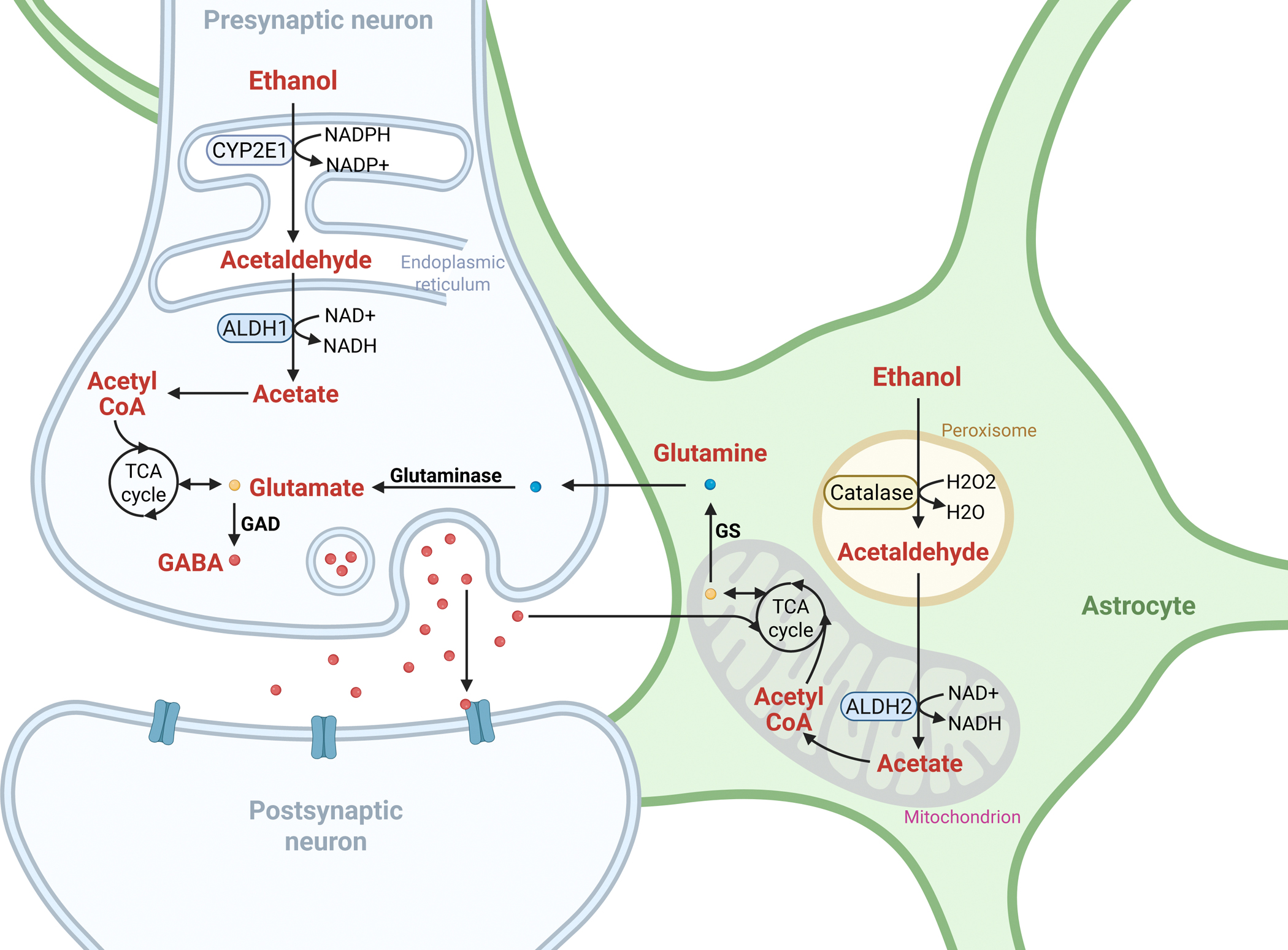
Figure 5.. Brain metabolism of ethanol.
The oxidation of alcohol in the brain involves the same three pathways as those described for the liver. However, the catalase pathway is the most important pathway in the brain, followed by CYP2E1, and ADH plays only a minimal role. In astrocytes: Ethanol is mostly metabolized to acetaldehyde by catalase and subsequently to acetate by ALDH2. Acetate is incorporated into the tricarboxylic acid (TCA) cycle as acetyl-CoA, contributing to glutamate synthesis. Glutamate is converted into glutamine by glutamine synthetase (GS) and transferred to neurons. In neurons: Ethanol is mostly oxidized to acetaldehyde by CYP2E1 in the endoplasmic reticulum, followed by conversion to acetate by ALDH1 in the cytosol. Acetate enters the TCA cycle as acetyl-CoA, contributing to glutamate synthesis. Glutamate is further converted to gamma-aminobutyric acid (GABA) via glutamic acid decarboxylase (GAD), modulating inhibitory neurotransmission. Importantly, glutamine supplied by astrocytes can be converted back to glutamate and GABA in neurons. Recent findings from preclinical models suggest that cerebellar astrocytic ALDH2-generated acetate mediates alcohol-induced elevation of GABA concentrations and its associated motor impairment (139). Created with BioRender.com.
Figure 6.
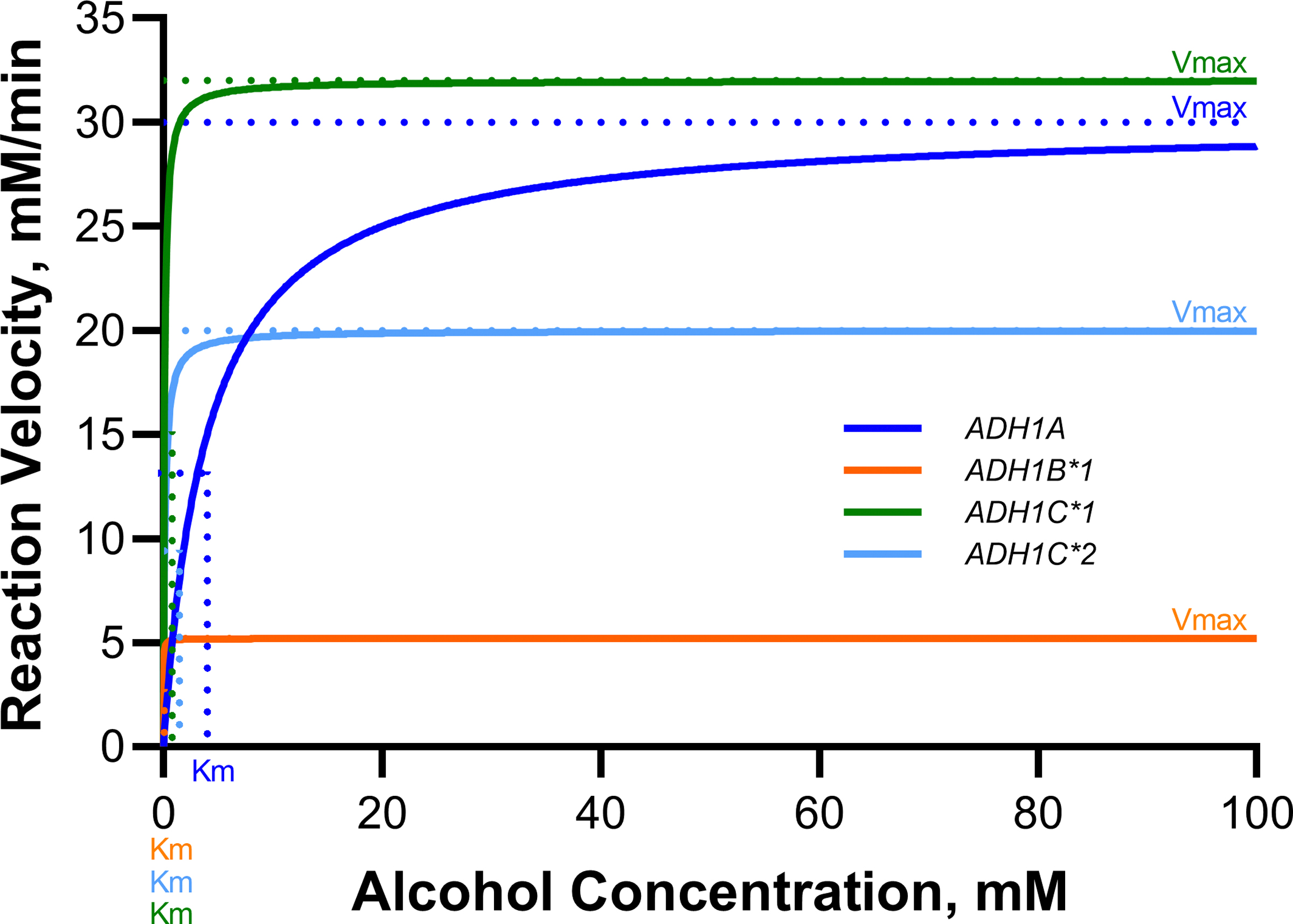
Figure 6.. Enzymatic activity for common isoforms of alcohol dehydrogenase (ADH).
Each curve represents the relationship between alcohol concentration and enzymatic activity for a specific ADH isoform: ADH1A, ADH1B*1, ADH1C*1, and ADH1C*2. For illustrative purposes, the standard form of Michaelis-Menten Kinetics was used here with Km and Vmax from (113) (also see Table 1).
Figure 7.
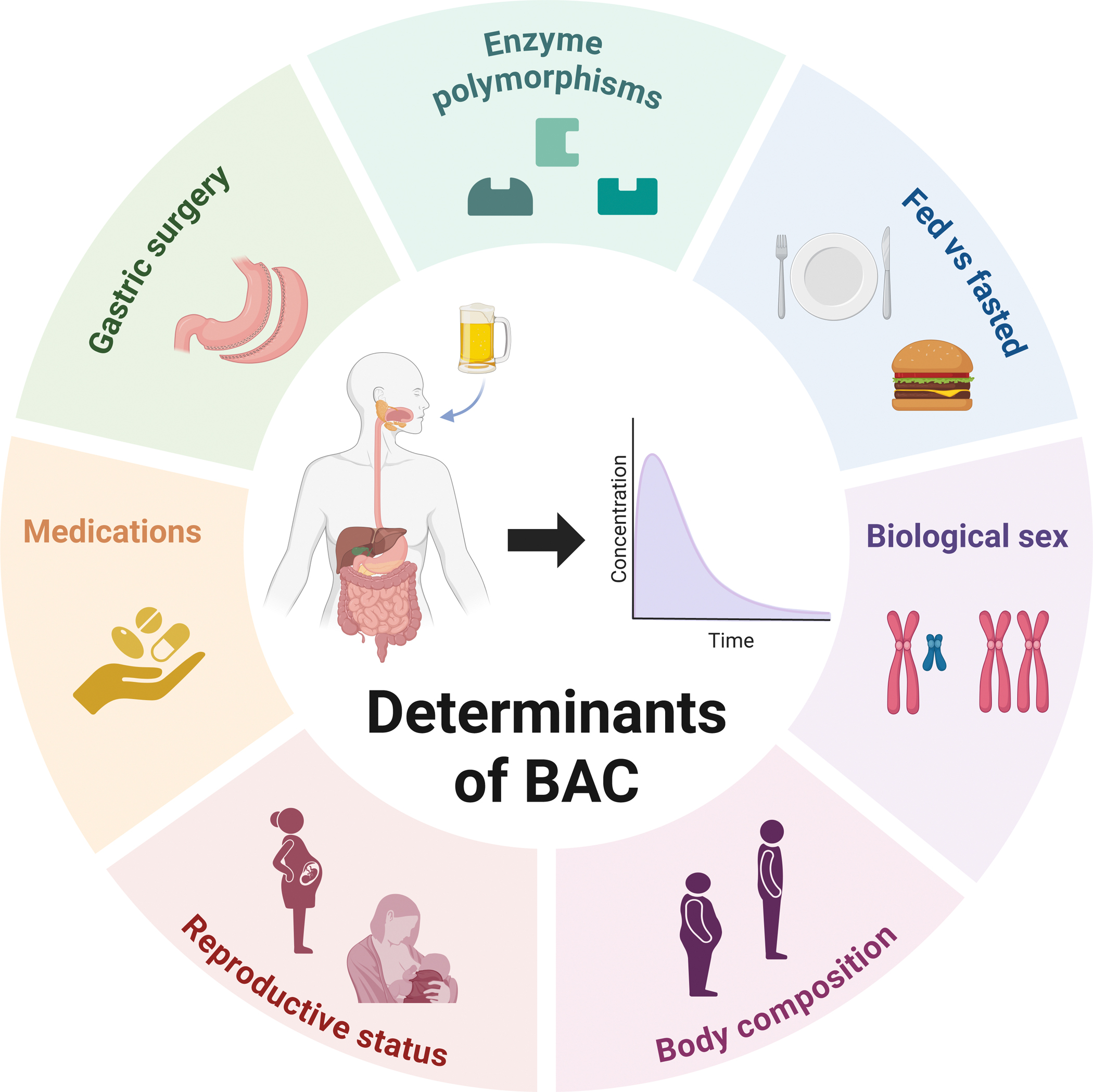
Figure 7.. Determinants of blood alcohol concentration (BAC).
Key factors influencing the excursion of BAC following alcohol consumption: Enzyme polymorphisms: Genetic variants in alcohol-metabolizing enzymes (e.g., ADH and ALDH) affect the rate of ethanol and acetaldehyde metabolism. Fed vs. fasted state: Food intake slows gastric emptying, delays alcohol absorption, and increases first-pass metabolism and systemic alcohol elimination rate. Biological sex and body composition: Variations in body composition, ADH activity, and hormonal factors contribute to sex-related differences in alcohol pharmacokinetics. Reproductive status: States like pregnancy and lactation can alter alcohol’s volume of distribution and bioavailability. Gastric surgery: Procedures such as sleeve gastrectomy or Roux-en-Y gastric bypass can accelerate alcohol absorption and decrease FPM, thereby increasing peak BAC. Medications: Drugs can affect the absorption and metabolism of alcohol, and alcohol can alter the pharmacokinetics or pharmacodynamics of concurrently administered medications. Created with BioRender.com.
Figure 8.
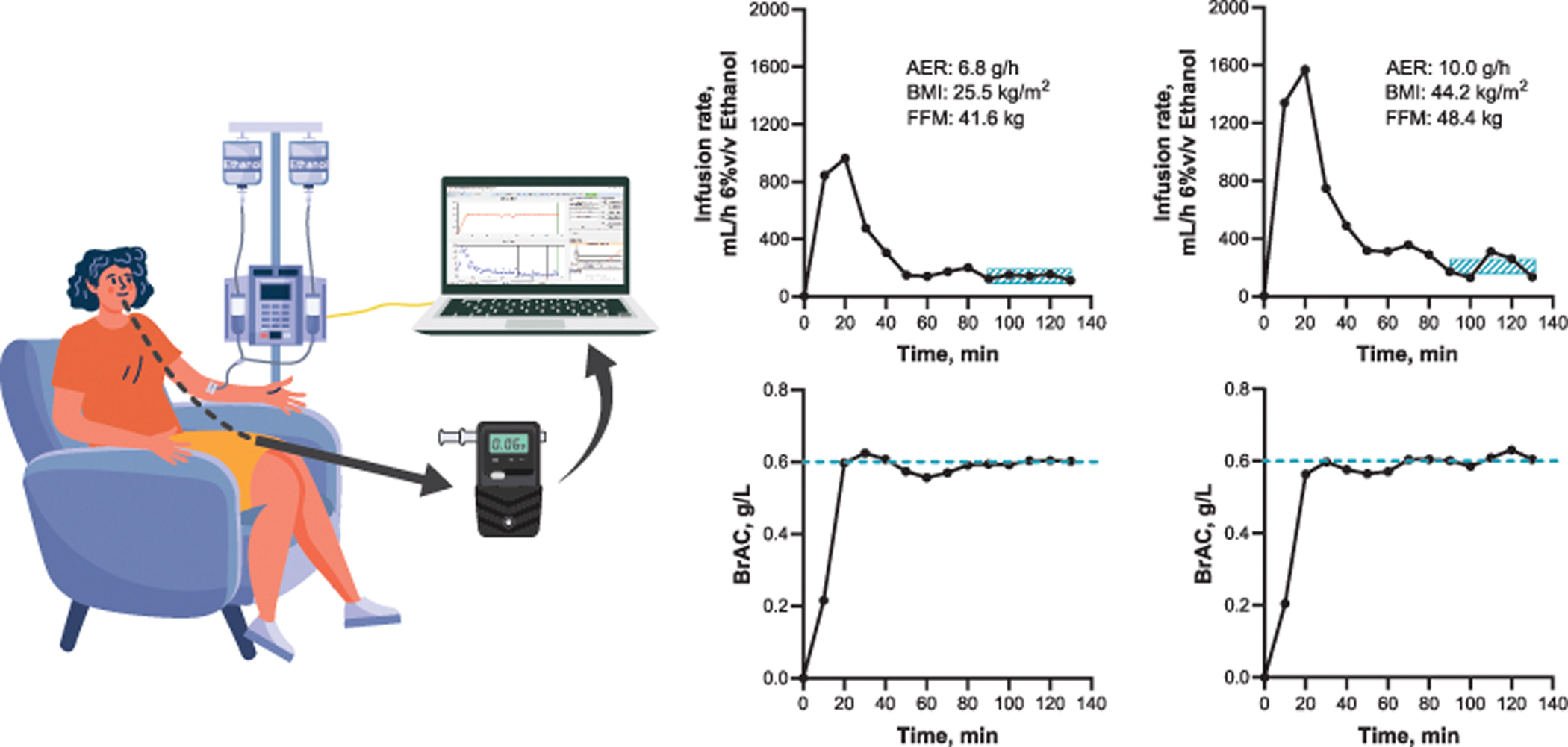
Figure 8.. Impact of body composition on alcohol elimination rates (AER) using the breath alcohol clamping technique.
This illustration depicts the breath alcohol clamping technique, which uses intravenous alcohol infusions to achieve and maintain breath alcohol concentration (BrAC) at a target level for prolonged periods of time (2). The infusion rate is determined using a physiologically based pharmacokinetic model for alcohol that incorporates individualized estimates of model parameters based on each participant’s estimated total body water. BrAC measurements are obtained using a breath analyzer to provide feedback, ensuring that BrACs remain within 0.05g/L of the target. The feedback enables infusion rate adjustment to correct for parameter estimation errors and experimental variability. The top panels show the infusion rate versus time while the bottom panels depict BrAC versus time for two female participants: one with overweight (left) and one with obesity (right). The shaded regions represent the time periods used to calculate the AER, which provides an estimate of alcohol elimination independent of absorption variability. The dashed line indicates the target BrAC during the clamp (0.6 g/L). The data presented are from two participants in Seyesadjadi et al. (116). Vector elements for this figure were adapted from a licensed version of Adobe Stock (stock.adobe.com)
Figure 9.
Figure 9.. Breath alcohol concentration (BrAC) and area under the BrAC-time curve (AUC) for lactating and non-lactating control women after drinking alcohol under fed and fasted conditions.
Left panel: BrAC time profiles of nulliparous women, formula feeding mothers, and breastfeeding mothers (averaged for both fed and fasted conditions). For the fed condition, a standardized breakfast was provided one hour before drinking. At time zero, participants consumed 0.4 g/kg of alcohol-containing beverage over 10 minutes. *P<0.05 Breastfeeding mothers vs. formula feeding mothers and nulliparous women at a given time point. Right panel: BrAC AUCs for each group, comparing fasted and fed states.a different from b at P<0.05. For both graphs, data are mean ± SEM. Graph modified from (231).
Figure 10.
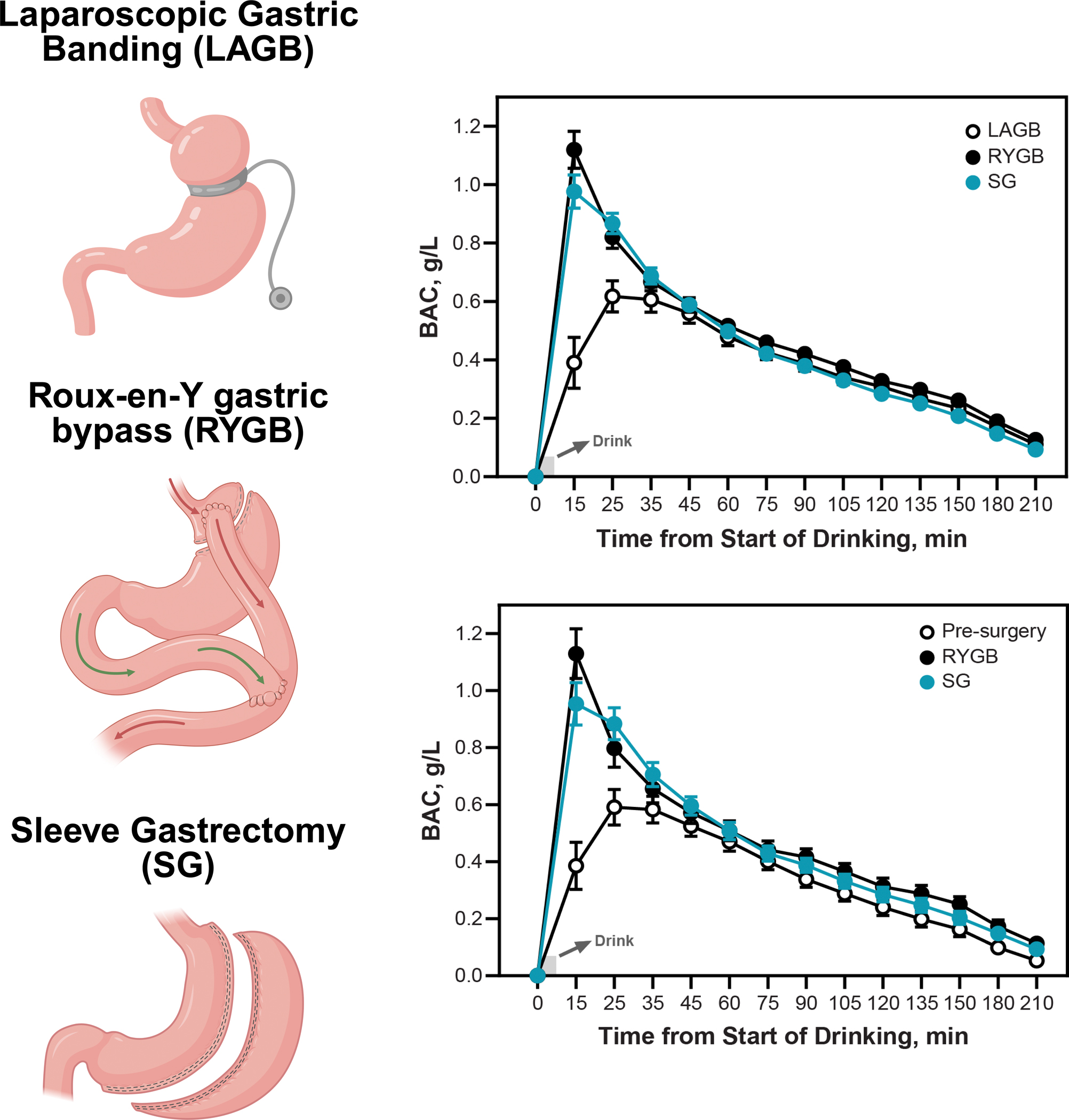
Figure 10.. Impact of gastric surgeries on blood alcohol concentration (BAC).
Left panel: Illustrations of three gastric surgeries—Laparoscopic Gastric Banding (LAGB), Roux-en-Y Gastric Bypass (RYGB), and Sleeve Gastrectomy (SG)—depicting their anatomical modifications. Top right panel: BAC time profiles following alcohol consumption for individuals who underwent LAGB (white symbols), RYGB (black symbols), or SG (cyan symbols). Bottom right panel: BAC time profiles for individuals pre-surgery (white symbols) versus post-surgery for RYGB (black symbols) and SG (cyan symbols). Data are mean ± SEM. Graphs modified from (166, 244). Created with BioRender.com.

References

    1. Griswold MG, Fullman N, Hawley C, Arian N, Zimsen SRM, Tymeson HD, Venkateswaran V, Tapp AD, Forouzanfar MH, Salama JS, et al. Alcohol use and burden for 195 countries and territories, 1990–2016: A systematic analysis for the Global Burden of Disease Study 2016. The Lancet 392, 2018. doi: 10.1016/S0140-6736(18)31310-2. - DOI - PMC - PubMed
    1. Ramchandani VA, Bosron WF, Li TK. Research advances in ethanol metabolism. Pathologie Biologie 49, 2001. doi: 10.1016/S0369-8114(01)00232-2. - DOI - PubMed
    1. Edenberg HJ. The genetics of alcohol metabolism: Role of alcohol dehydrogenase and aldehyde dehydrogenase variants. Alcohol Research and Health 30: 2007. - PMC - PubMed
    1. Cederbaum AI. Alcohol metabolism. Clin Liver Dis 16: 667–685, 2012. doi: 10.1016/J.CLD.2012.08.002. - DOI - PMC - PubMed
    1. Plawecki MH, Crabb DW. Metabolism. Handb Clin Neurol 125: 55–69, 2014. doi: 10.1016/B978-0-444-62619-6.00004-5. - DOI - PubMed

LinkOut - more resources