


Association between mitochondrial SIRTs (SIRT3, SIRT4, and SIRT5) and PCOS
- PMID: 40640941
- PMCID: PMC12243299
- DOI: 10.1186/s40001-025-02862-3
Association between mitochondrial SIRTs (SIRT3, SIRT4, and SIRT5) and PCOS
Abstract
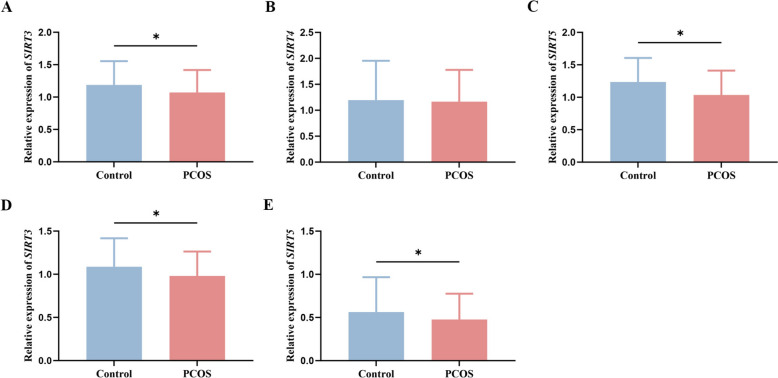
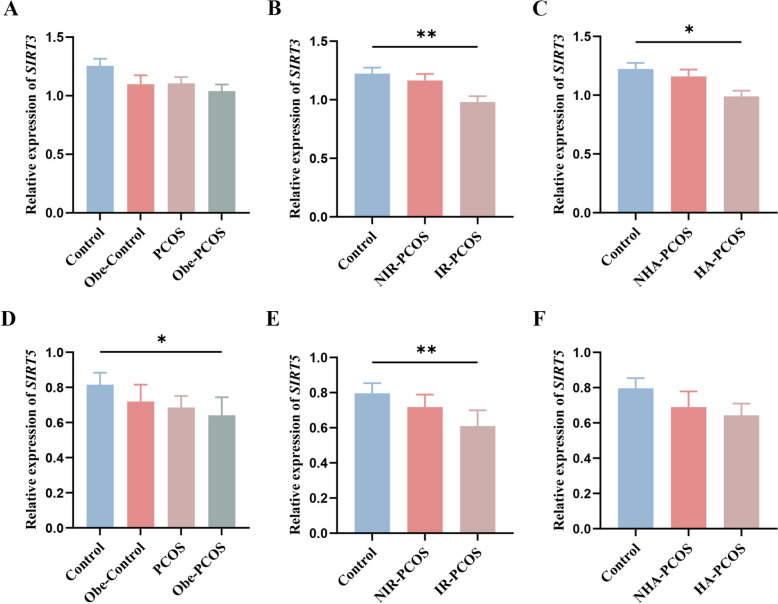
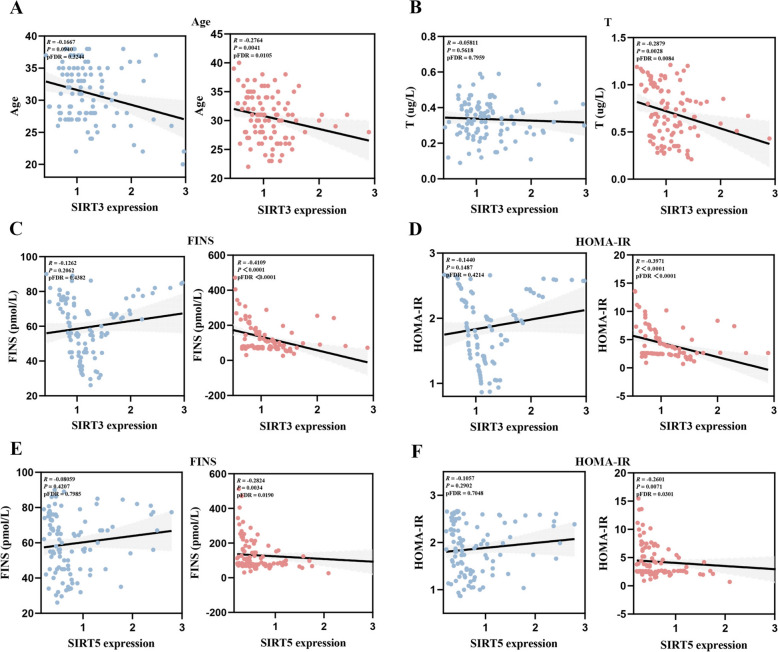
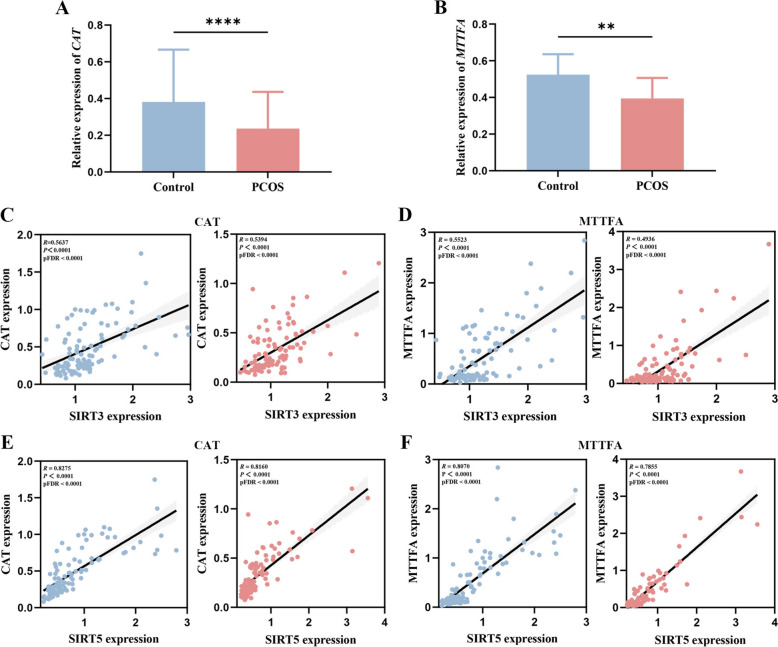
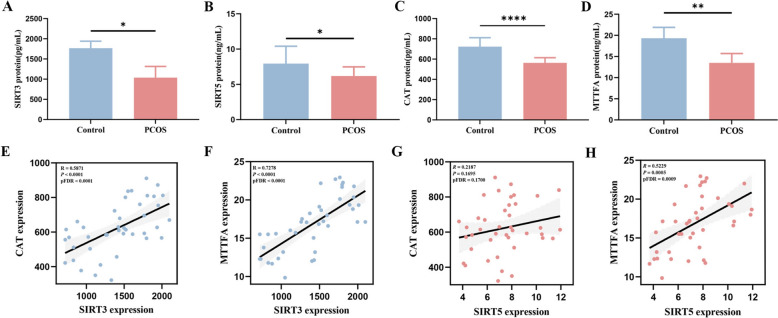
Polycystic ovary syndrome (PCOS) is a complex endocrine and metabolic disorder with unclear pathogenesis. Increasing evidence suggests that oxidative stress and mitochondrial dysfunction contribute to PCOS development. Sirtuins (SIRTs), especially mitochondrial SIRTs (SIRT3, SIRT4, and SIRT5), are critical regulators of mitochondrial metabolism, energy homeostasis, and oxidative stress, and may be involved in the pathophysiology of PCOS. However, their specific roles remain controversial. We hypothesize that the dysregulation of mitochondrial SIRTs contributes to PCOS by promoting mitochondrial dysfunction and oxidative stress. To test this hypothesis, we enrolled patients from the Reproductive Medicine Center of the Affiliated Hospital of Youjiang Medical University for Nationalities, with PCOS patients assigned to the experimental group and non-PCOS patients to the control group. We collected peripheral blood mononuclear cells and follicular fluid granulosa cells (GCs) from the two groups of patients, and used PCR to detect the expression of SIRTs, oxidative stress indexes, and mitochondrial function indexes. The correlation between the expression of SIRTs and the expression of oxidative stress and mitochondrial function indicators, as well as the clinical parameters of PCOS was investigated using Pearson or Spearman correlation analysis. The results showed that the expression of SIRT3 and SIRT5 was significantly lower in mononuclear cells and GCs of PCOS patients (P < 0.05), and there was no significant difference in the expression of SIRT4 (P > 0.05). In GCs of PCOS patients, higher SIRT3 expression was associated with lower levels of age, androgen (T), fasting insulin and insulin resistance index (HOMA-IR) (P < 0.05); while higher SIRT5 expression was associated with lower levels of fasting insulin and HOMA-IR (P < 0.05). In addition, oxidative stress-related indicator (CAT) and mitochondrial function indicator (MTTFA) were significantly downregulated in PCOS patients (P < 0.05). Notably, the expression levels of SIRT3 and SIRT5 were significantly positively correlated with the expression levels of CAT and MTTFA (P < 0.05). ELISA results indicated the levels of SIRT3 and SIRT5 proteins in the follicular fluid of PCOS were also significantly reduced. In conclusion, our results suggest that SIRT3 and SIRT5 downregulation contributes to the development of PCOS by mediating mitochondrial dysfunction and oxidative stress, providing new therapeutic targets and potential strategies for PCOS treatment.
Keywords: Pathogenesis; Polycystic ovary syndrome; SIRT3; SIRT4; SIRT5.
© 2025. The Author(s).
Conflict of interest statement
Declarations. Ethics approval and consent to participate: The present study was approved by the ethics committee of The Affiliated Hospital of Youjiang Medical University for Nationalities (Guangxi, China; approval no. YYFY-LL-2022-61); all subjects provided signed consent forms prior to recruitment to the study. Patient consent for publication: All the patients in this project signed the consent forms. Competing interests: The authors declare no competing interests.
Figures
References
MeSH terms
Substances
LinkOut - more resources
Full Text Sources
Medical
Miscellaneous
