


Clinical and histopathological investigation of the possible occurrence of tracheobronchial disease in cats with chronic gingivostomatitis
- PMID: 40642273
- PMCID: PMC12243627
- DOI: 10.3389/fvets.2025.1624016
Clinical and histopathological investigation of the possible occurrence of tracheobronchial disease in cats with chronic gingivostomatitis
Abstract
Introduction: Feline chronic gingivostomatitis (FCGS) is a debilitating and highly painful inflammatory disorder of the feline oral cavity. Evidence suggests that feline chronic gingivostomatitis (FCGS) induces systemic effects that extend beyond localized oral pathology, contributing to overall health decline in affected cats. The aim of this study was to investigate the potential impact of FCGS on the lower respiratory tract.
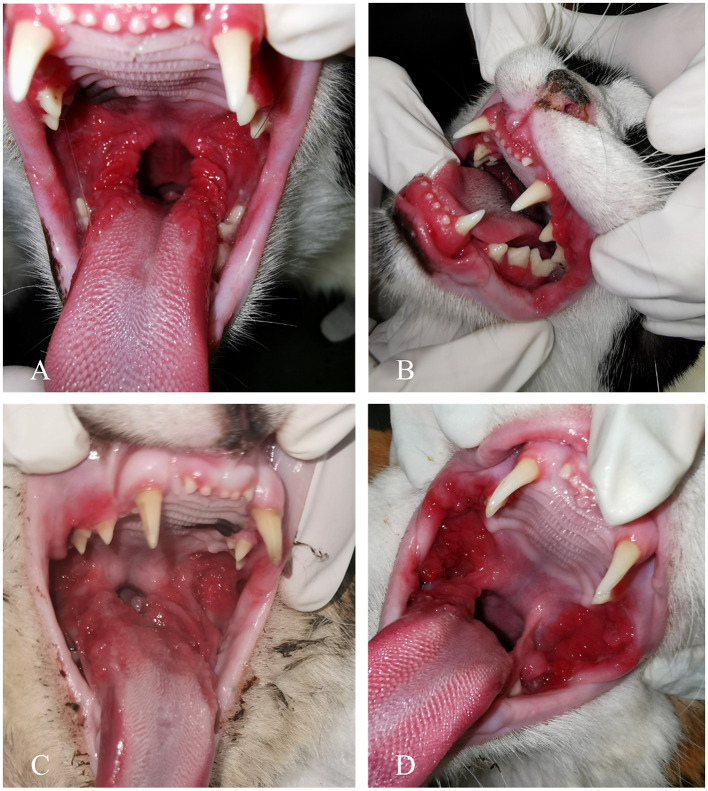
Methods: This is a prospective study, that included 42 cats with clinical signs of FCGS and five healthy control cats exhibiting no signs of oral disease. All cats underwent physical, oral, and endoscopic examinations of the lower respiratory tract. Radiological evaluation of the thorax was also performed. Lesions in the respiratory tract detected upon endoscopy and the oral cavity were recorded and scored. In cats with FCGS biopsies from bronchial mucosa were obtained from sites showing endoscopic evidence of inflammation.
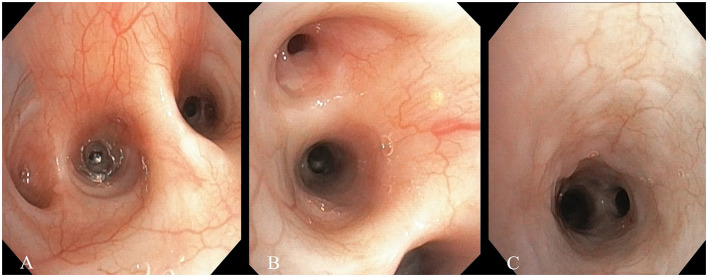
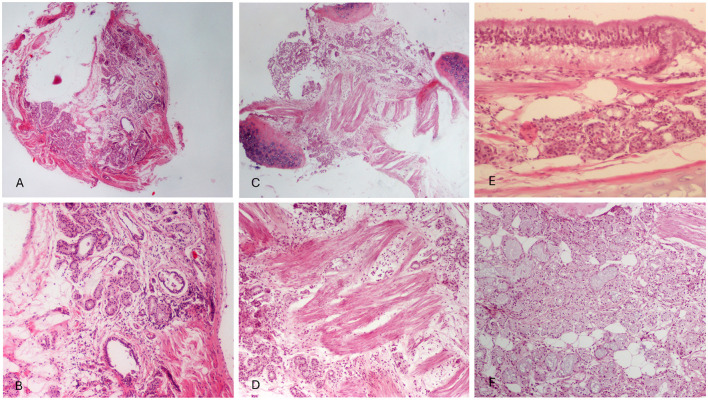
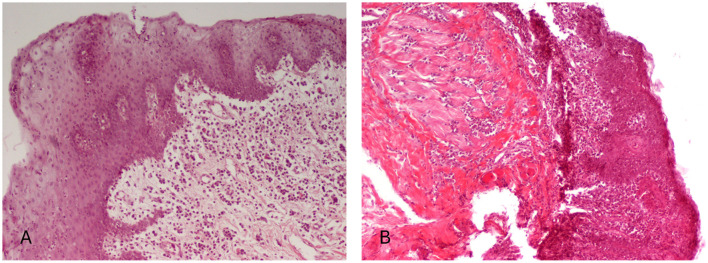
Results: Respiratory lesions were identified in all FCGS cats included in the study. Specifically, secretions were detected in 42 out of 42 (100%) cats, bronchial mucosal edema in 33 out of 42 (78.6%), a granular appearance in 14 out of 42 (33.3%), and hyperemia in 11 out of 42 (26.2%). Histopathological examination revealed mucosal and submucosal inflammation in 30 out of 36 (83.3%) cats and mucosal edema in 25 out of 36 (69.4%). Additionally, fibrosis was observed in 25 out of 36 (69.4%) samples, hyperplasia, or dilatation of bronchial glands in eight out of 36 (22.2%), and vascular wall thickening in 11 out of 36 (30.5%). Bronchial smooth muscle hypertrophy was present in 22 out of 36 (61.1%) examined samples. An attempt to correlate oral and respiratory lesion severity found no statistically significant correlation between stomatitis index, tracheobronchoscopy, or histopathological scores.
Discussion: FCGS appears to coexist with lower respiratory tract disease. During FCGS management, it might be essential to address any underlying respiratory disorder, as it may favor the outcome of the primary disease, while remaining unattended it may increase the likelihood of FCGS recurrence.
Keywords: bronchial secretions; feline chronic gingivostomatitis; lower respiratory tract; oral inflammatory disease; tracheobronchial disease.
Copyright © 2025 Lorida, Konstantinidis, Brellou, Koutouzidou, Papadopoulou, Matiakis, Adamama-Moraitou and Papadimitriou.
Conflict of interest statement
The authors declare that the research was conducted in the absence of any commercial or financial relationships that could be construed as a potential conflict of interest. The author(s) declared that they were an editorial board member of Frontiers, at the time of submission. This had no impact on the peer review process and the final decision.
Figures
References
LinkOut - more resources
Full Text Sources
Miscellaneous
