RIT1 Drives Oncogenic Transformation and Is an Actionable Target in Lung Adenocarcinoma
- PMID: 40644578
- PMCID: PMC12281470
- DOI: 10.1158/0008-5472.CAN-24-3819
RIT1 Drives Oncogenic Transformation and Is an Actionable Target in Lung Adenocarcinoma
Abstract
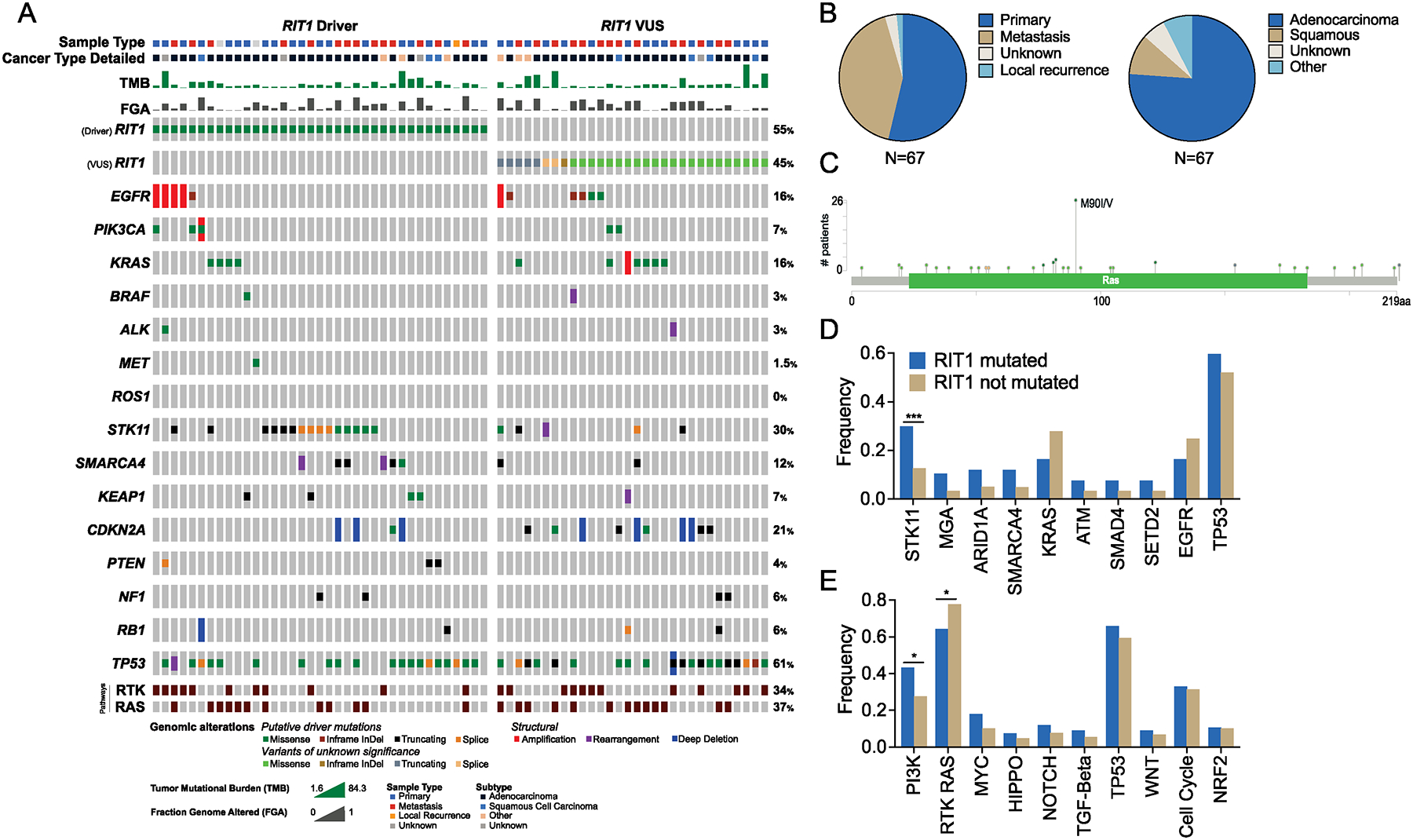
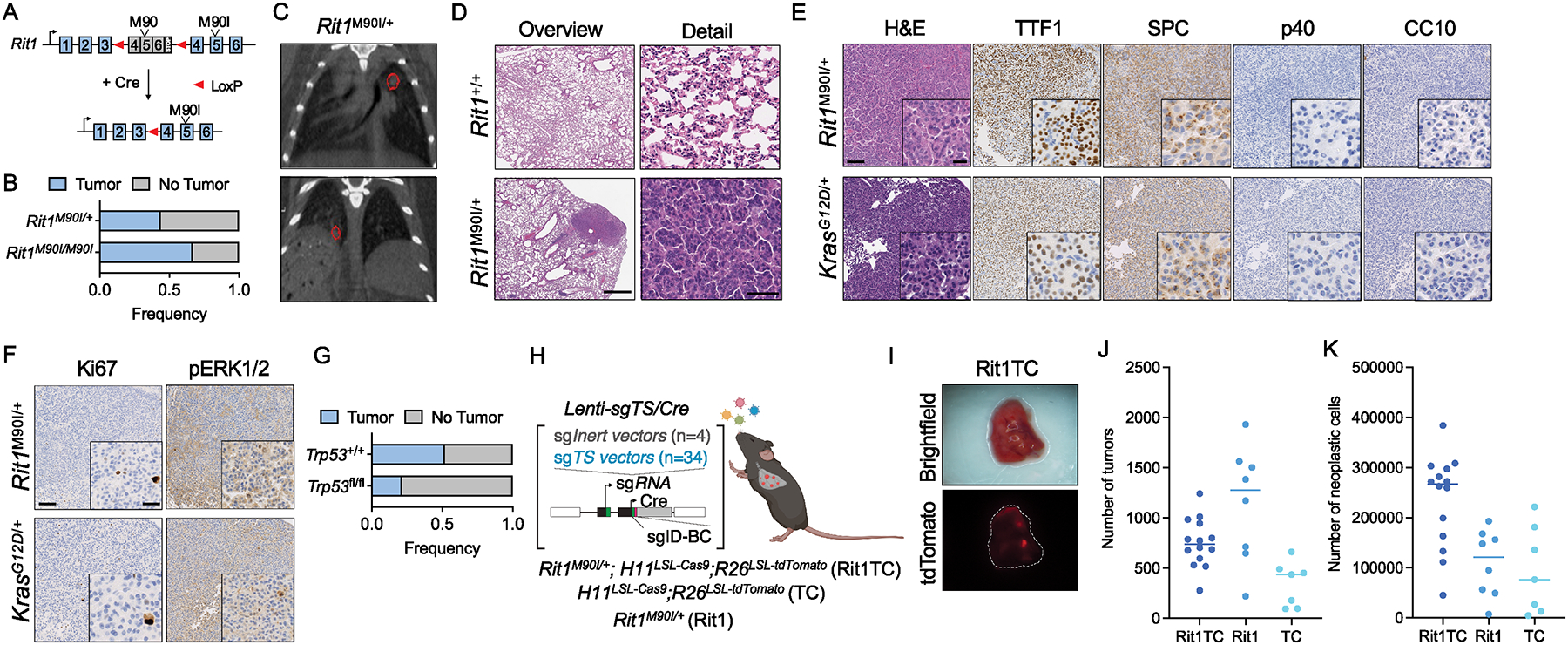
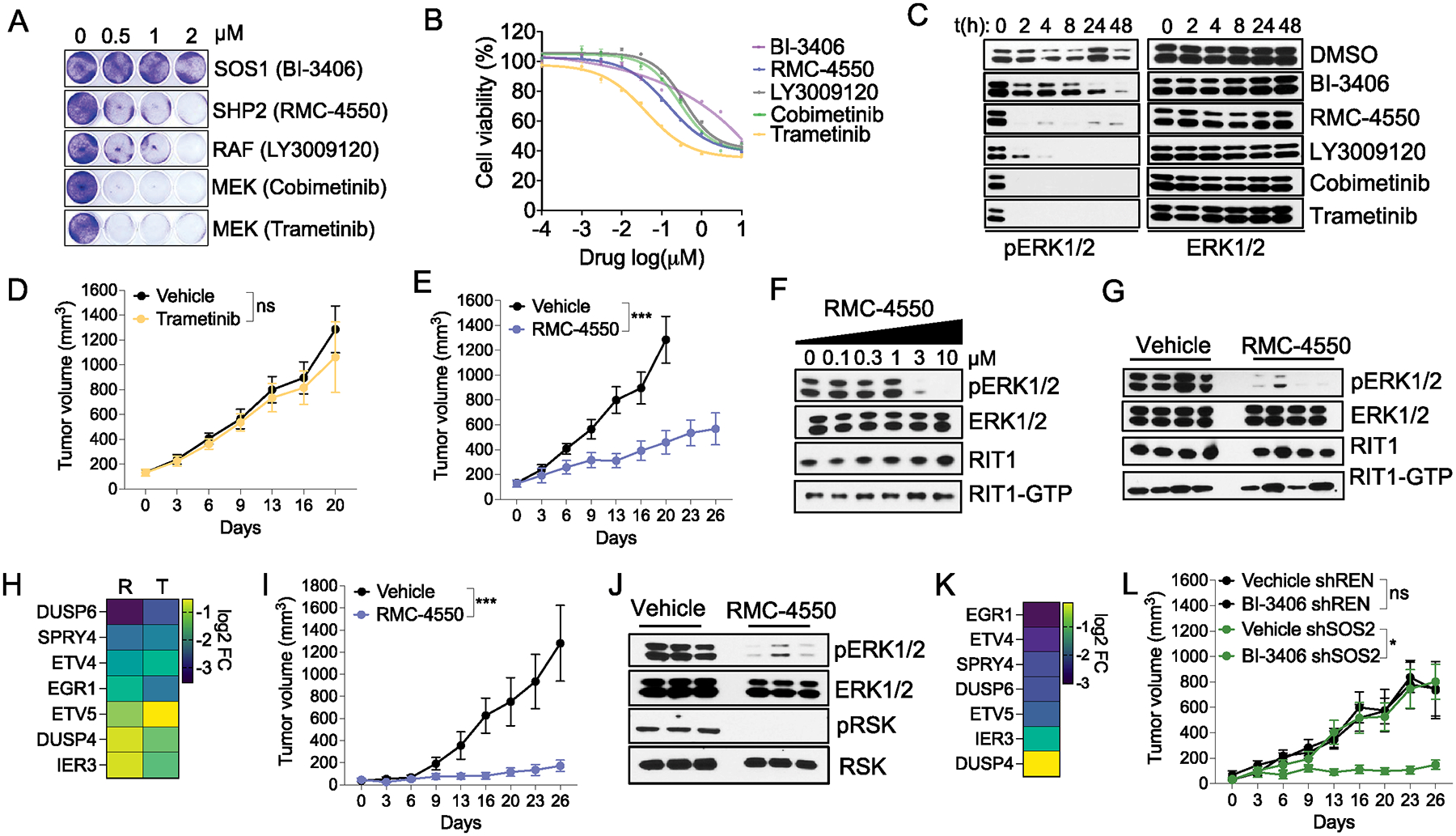
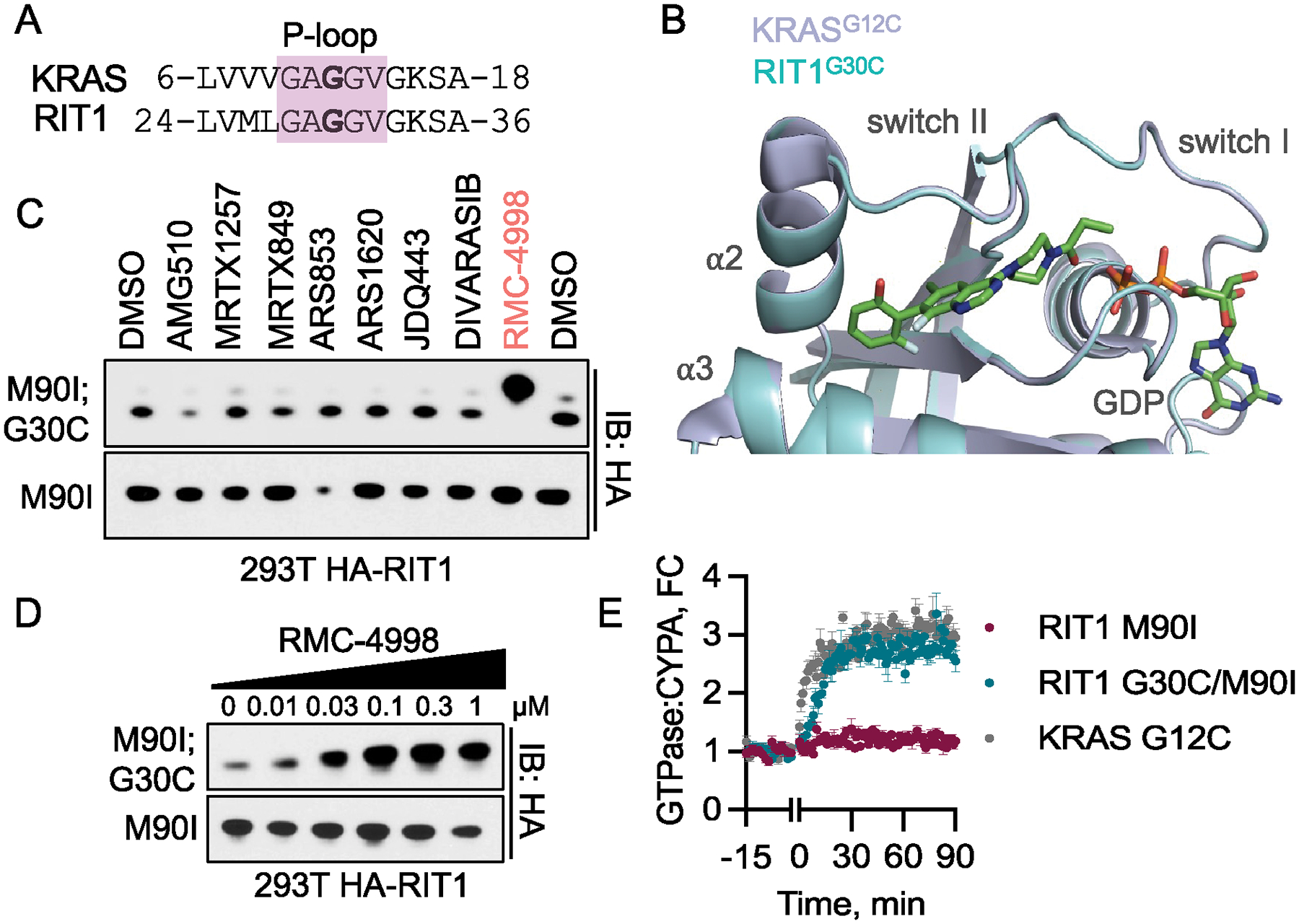
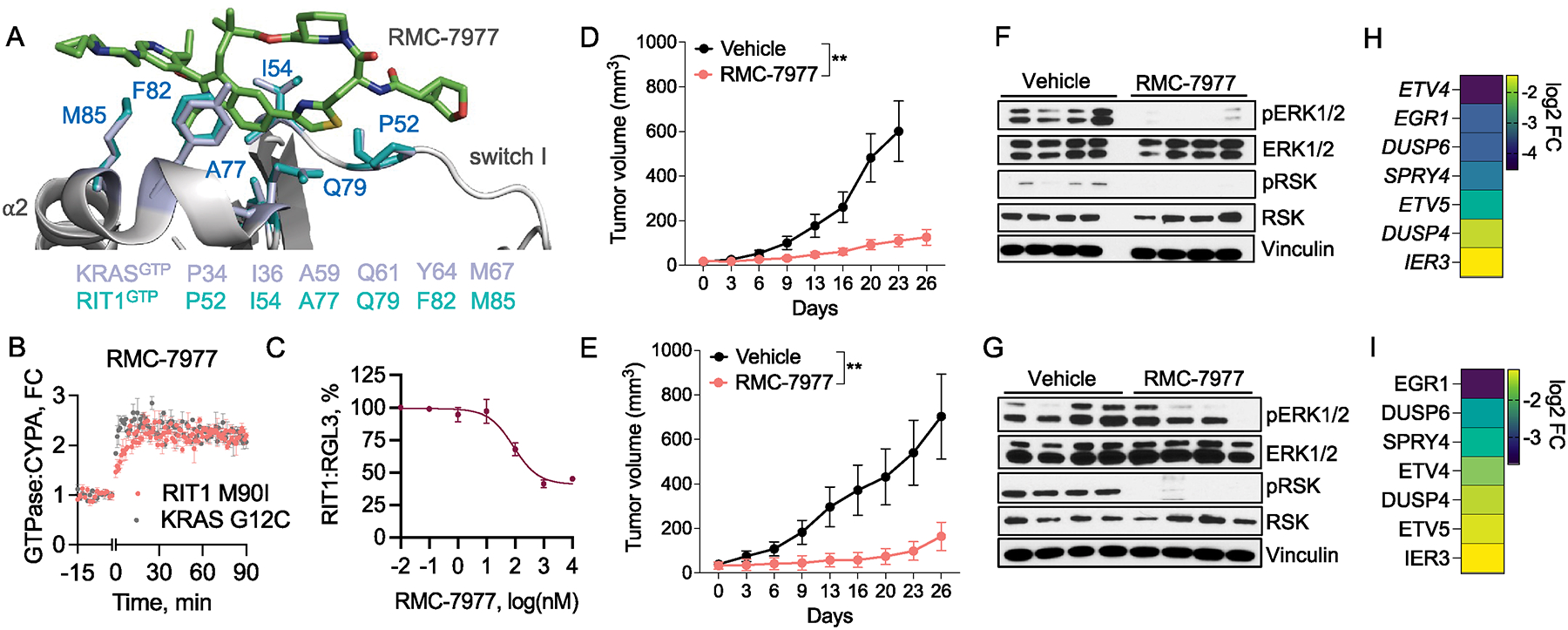
RIT1 is a small GTPase of the RAS family, and RIT1 mutations have been identified in lung cancer, leukemia, and the developmental disorder Noonan syndrome. Mutations in RIT1 lead to increased protein levels due to impaired proteolysis, resulting in dysregulation of RAS/MAPK signaling and other pathways. In this study, we documented the diversity of RIT1 mutations in human lung cancer and showed that physiologic expression of RIT1 M90I is sufficient to drive autochthonous lung tumor development in vivo in mouse models. Evaluation of complementary methods to either inhibit RIT1 directly or the downstream RAS/MAPK pathway revealed that RIT1 M90I tumors are sensitive to SHP2 inhibitors and RAS nucleotide exchange inhibition. Additionally, a proof-of-concept chemical biology approach identified that RAS tri-complex inhibitors bind directly to GTP-bound RIT1, resulting in tumor shrinkage. These molecules provide a feasible therapeutic approach for RIT1-driven lung tumors.
Significance: RIT1 is a bona fide oncogene that promotes lung tumorigenesis and can be directly targeted with RAS tri-complex inhibitors. See related commentary by Wu and Vaishnavi, p. 3186 See related article by DiMarco et al., p. 3207.
©2025 American Association for Cancer Research.
Conflict of interest statement
Conflict of interest statement:
The authors declare no potential conflicts of interest related to this work.
Figures
References
MeSH terms
Substances
Grants and funding
LinkOut - more resources
Full Text Sources
Medical
Molecular Biology Databases
Miscellaneous