


Impact of meteorological factors on the incidence of hand, foot and mouth disease in Ningbo from 2014 to 2019: a causal convolutional neural networks
- PMID: 40646519
- PMCID: PMC12247356
- DOI: 10.1186/s12889-025-23634-y
Impact of meteorological factors on the incidence of hand, foot and mouth disease in Ningbo from 2014 to 2019: a causal convolutional neural networks
Abstract
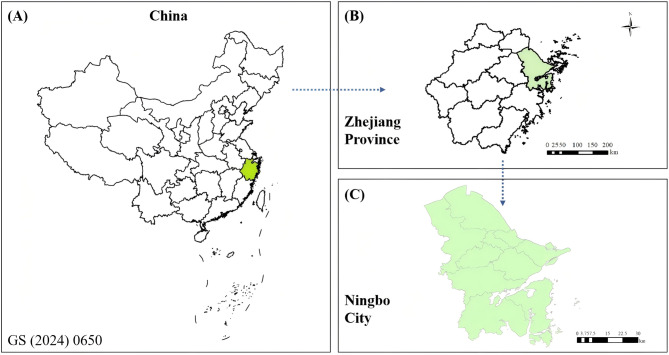
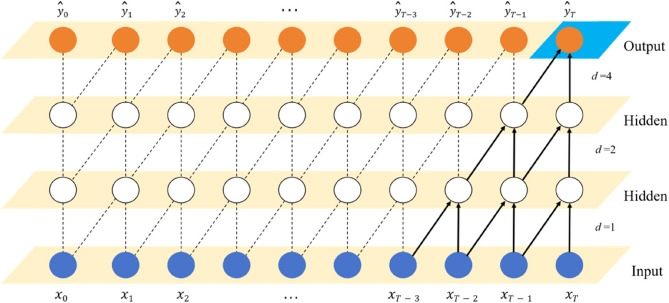
Background: Hand, foot, and mouth disease (HFMD) is recognized as a climate-sensitive disease, yet the precise influence of meteorological factors on its incidence remains underexplored. This study leverages Causal Convolutional Neural Networks (Causal CNNs) to investigate the epidemiological characteristics of HFMD in Ningbo City, China, from 2014 to 2019, and to assess the predictive role of meteorological factors, offering novel insights for real-time surveillance and control.
Methods: Daily meteorological data and HFMD incidence data for Ningbo from 2014 to 2019 were obtained from the Chinese Center for Disease Control and Prevention. The Causal CNNs and the Granger causality test were applied for prediction and analysis.
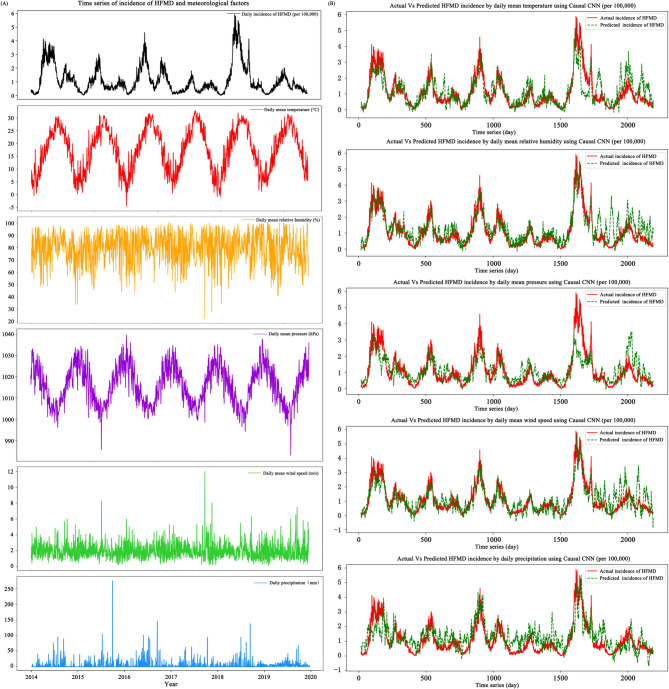
Results: From 2014 to 2019, the average annual incidence of HFMD in Ningbo was 398.66 per 100,000. The disease showed notable seasonality and annual periodicity, with a bimodal distribution peaking in June-July and October-November each year. The daily mean temperature and relative humidity demonstrated similar annual cyclical variations to HFMD incidence, while daily mean pressure exhibited opposite trends. The Causal CNNs model indicated that daily mean temperature, relative humidity, pressure, and wind speed had better predictive effects with a lag of 19 days [the mean square errors (MSE) were 0.490, 0.333, 0.529, 0.325, respectively, and the mean absolute errors (MAE) were 0.491, 0.355, 0.531, 0.433, respectively]. The Granger causality test confirmed significant correlations between HFMD incidence and daily mean temperature, relative humidity, pressure, and wind speed (The F values were 5.660, 6.878, 4.330, 1.726, respectively, and all P < 0.05).
Conclusion: Meteorological factors, particularly mean temperature, relative humidity, pressure, and wind speed, may significantly influence HFMD incidence in Ningbo. The Causal CNNs model provides relatively accurate predictions, supporting its potential for enhancing HFMD surveillance and informing targeted public health interventions.
Keywords: Causal convolutional neural networks; Granger causality test; Hand, foot and mouth disease; Meteorological factors.
© 2025. The Author(s).
Conflict of interest statement
Declarations. Ethics approval and consent to participate: Not applicable. Since no primary data collection was undertaken and no patients or public were involved, no formal ethical assessment or informed consent was required. All data were collected from National Population Health Data Center (PHDA) ( http://www.ncmi.cn ) and were fully anonymized. Consent for publication: Not applicable. Competing interests: The authors declare no competing interests.
Figures
References
-
- Kamau E, Lambert B, Allen DJ, Celma C, Beard S, Harvala H, et al. Enterovirus A71 and coxsackievirus A6 circulation in england, UK, 2006–2017: A mathematical modelling study using cross-sectional Seroprevalence data. PLoS Pathog. 2024;20(11):e1012703. 10.1371/journal.ppat.1012703. - DOI - PMC - PubMed
MeSH terms
Grants and funding
LinkOut - more resources
Full Text Sources
